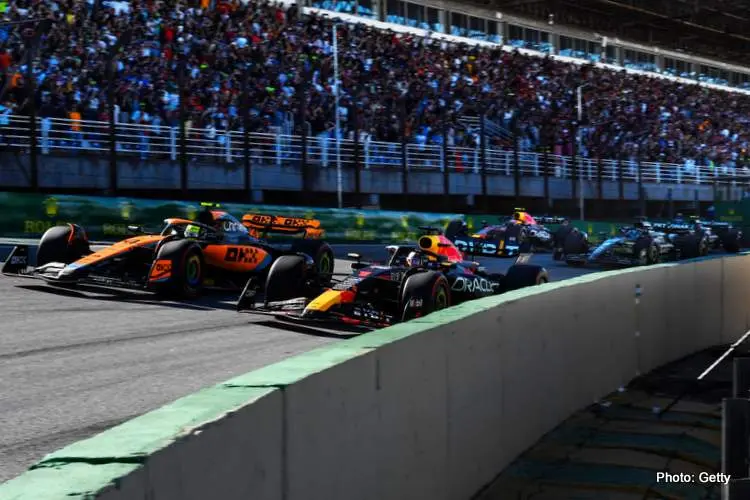
As the engines roar and the anticipation reaches a fever pitch, the world of Formula 1 gears up for an exhilarating journey into the future with the dawn of the 2024 season.
In the ever-evolving realm of motorsports, Formula 1 stands as a beacon of innovation, pushing the boundaries of technology, athleticism, and spectacle.
According to Casinos Not On GamStop (UK) that the upcoming F1 season promises to be a groundbreaking chapter, introducing some new moments that will redefine the landscape of this prestigious racing series.
24 Races to Begin With
The 2024 Formula 1 season promises to be a historic and gripping spectacle, with a confirmed driver lineup that introduces a unique twist to the championship dynamics. In an unprecedented move, each driver will start the new season with the same team they concluded the previous year with, marking a notable departure from the usual flurry of off-season transfers and team changes.
Max Verstappen, the reigning world champion, will spearhead the Red Bull team's campaign as they aim to defend their title. Sharing the grid with Verstappen are formidable opponents, including Lewis Hamilton, a seven-time world champion with Mercedes, and the seasoned Fernando Alonso, who has found a new home with Aston Martin. As the drivers gear up for the challenges ahead, the grid is set to be a battleground of skill, strategy, and sheer determination.
The excitement extends beyond the driver lineup, as the 2024 season boasts a record-breaking 24 Grand Prix, featuring an additional six sprint races that promise to inject even more intensity into the competition. The expanded calendar showcases a global footprint, with events spanning across the Middle East, Europe, North America, South America, Asia, and Australasia.
Notably, the season will kick off and conclude with events in the Middle East, adding a unique geographical symmetry to the racing calendar. Europe will host the majority of the rounds, offering fans an array of iconic circuits and diverse racing conditions.
Beyond the Old Continent, the championship will make pit stops in North America, South America, Asia, and Australasia, ensuring a truly global spectacle. Adding an extra layer of intrigue, two countries will play host to multiple rounds: the United States, featuring three races, and Italy, with two rounds on the calendar.
Rules and Regulations
Entering its 11th consecutive year, the 2024 Formula 1 season will once again see the utilization of V6 hybrid turbo power units featuring 1.6-litre engines across all teams. However, a noteworthy development looms on the horizon, as the 2024 season is anticipated to mark the penultimate year for these power units before ushering in a new era in 2026 with a revamped power unit formula.
Despite the impending evolution in power units, the 2024 season brings a sense of continuity to the forefront with no major alterations announced in the F1 chassis regulations. This stability ensures that the teams can build upon their existing expertise, fine-tune their strategies, and continue to optimize the aerodynamics and mechanical components of their cars within the established framework.
The lack of substantial changes in the sporting rules further maintains the competitive equilibrium, providing a familiar platform for teams and drivers to showcase their skills and innovations.
More Supplementary Testing
The FIA has introduced significant changes to the 2024 Formula 1 sporting regulations, offering teams more opportunities for testing. While maintaining a single three-day pre-season test in Bahrain, the FIA has expanded the scope for supplementary testing during the season.
Despite the absence of official in-season tests and restrictions on private testing of 2024 cars, this move allows teams to address performance issues and experiment with new components.
The shift reflects a balance between fair competition and fostering technological advancements, adding intrigue to the upcoming season as teams navigate these new testing opportunities to enhance their competitiveness.
Increased Tyre testing
Responding to a request from Formula 1's official tire supplier, Pirelli, the Fédération Internationale de l'Automobile (FIA) has approved an extension in the allocation of organized tire testing days.
The previous limit of 35 days has now been expanded to 40, providing Pirelli with additional opportunities to gather essential data for the development of their tire compounds. Notably, four of these allocated days will be specifically dedicated to testing wet weather tires.
In response to driver feedback and a commitment to safety, the FIA is also exploring innovative solutions to mitigate the challenges posed by tire spray. As part of this initiative, there is an active pursuit to develop a wheel guard that can effectively reduce the amount of spray generated by the tires, particularly in wet weather conditions.
Greater Promo Allowance
In a continuation of the current season's regulations, Formula 1 teams will retain the privilege of conducting 'promotional events,' more commonly known as 'filming days' in the upcoming season. During these events, teams are permitted to run their existing cars, employing specially designed tires for the occasion.
Notably, there has been a significant enhancement to the previous allowance, as the permitted distance for filming days has now been doubled from 100 to 200 kilometers.
This modification allows teams greater flexibility and on-track time to showcase their cars and engage in promotional activities. The extended distance provision is poised to offer teams an enhanced platform to showcase their prowess, allowing for more comprehensive media coverage and promotional content creation.
However, it's imperative to note a key clarification accompanying this amendment: teams are restricted to conducting only one promotional filming event per day. This stipulation ensures a fair and equitable distribution of track time among all participating teams while maintaining the integrity of the sporting regulations.
A TPC Tweak
A notable advantage awaits Formula 1 teams in the upcoming season, specifically in the realm of 'Testing of Previous Cars' (TPC). This regulation allows teams to conduct private F1 track days using cars that are at least two years old.
A significant development for the 2024 season is the inclusion of 2022 cars featuring ground-effect aerodynamic concepts, mirroring the current generation of F1 cars.
However, a nuanced adjustment to the TPC rules introduces a strategic twist for the upcoming season. Teams are now mandated to utilize only components and software that have been previously employed in at least one Grand Prix event or test during the 2022 season. This stipulation strategically prevents teams from using TPC days as an avenue for experimenting with untested or avant-garde parts.
Streamlining Review Requests
In a strategic move aimed at enhancing efficiency and reducing the number of review requests inundating the Formula 1 system, the Fédération Internationale de l'Automobile (FIA) is set to implement significant changes for the 2024 season.
This adjustment comes in response to the escalating volume of review requests, exemplified by Haas challenging track limit offenses at the United States Grand Prix. The FIA's goal is to refine the right-of-review process, ensuring that teams thoroughly evaluate the necessity of each review before initiating the process.
One of the most notable modifications revolves around the timeframe for teams to request a right of review. The current 14-day window will undergo a substantial reduction, bringing it down to a mere 96 hours (four days). This compressed timeframe is designed to compel teams to make more deliberate and considered decisions when contemplating review requests.
Complementing this adjustment is the introduction of a fee for the review process—a departure from the current fee-free system. Starting in 2024, teams will be required to pay a fee equivalent to the cost of an appeal, set at €6000 for Formula 1.
Significantly, this fee will only be refunded if the right of review is upheld by the stewards, creating a financial incentive for teams to exercise prudence in initiating the review process.
Teams will be obligated to pay the fee upfront before submitting the notice of intention to appeal. Even if the notice is subsequently withdrawn, it will still be referred to the International Court of Appeal.
Conclusion
The anticipated changes set to take effect in Formula 1 for the 2024 season herald a new era of strategic considerations and operational efficiency.
From the streamlined right-of-review process, with its shortened timeframe and the introduction of fees, to the expanded opportunities for tire testing and the adaptation of Testing of Previous Cars (TPC) regulations, the sport is poised for a transformative journey.
As teams and stakeholders adapt to these changes, the 2024 season promises not only exhilarating races on the track but also a more measured and strategic approach to the intricacies that shape the pinnacle of motorsport.
Latest News

Loading