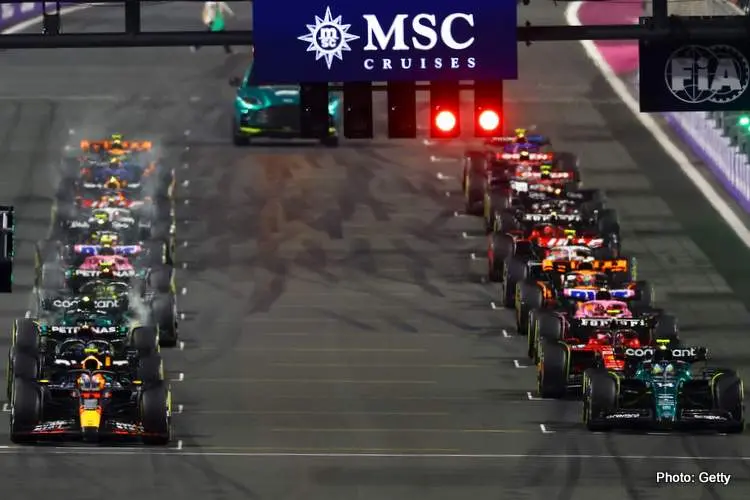
Whenever you hear racing and betting in the same sentence, your mind may understandably wander to the equine variety.
However, the sport of kings is far from the only betting show in racing town. For fans of the best betting apps with a need for speed and engineering feats of excellence, Formula 1 is where it’s at.
From the twisting streets of Monaca to the classic layout of the British Grand Prix, the F1 season provides a wealth of distinctive betting opportunities. Betting on Formula 1 (F1) can be a thrilling yet complex endeavour, requiring a thorough understanding of various factors that influence the outcome of races.
From the technical aspects of the cars (THE number one factor in the modern era) to the skill and form of the drivers and the intricacies of the circuits, each element plays a critical role. Here, we present a selection of the key factors to consider when betting on F1:
Driver Performance and Form
The skill and current form of a driver are paramount. Consistent performance in recent races, historical success on specific tracks, and overall championship standings provide insights into talent and aptitude for the task.
Team Performance
Teams like Mercedes, Red Bull, and Ferrari traditionally have strong cars and experienced technical teams – with Red Bull amid a golden era in 2024. Evaluating in-race strategic decisions and pit-stop efficiency can provide a clearer picture of potential outcomes. Listen out for the news emerging from the constructor camps – do they sound confident? Or do quotes suggest they aren’t happy heading into a season/race?
Car Reliability and Upgrades
It’s all about the car. Car reliability can make or break a race. Frequent mechanical failures or penalties can significantly impact a team's performance. Assess recent upgrades and whether they have improved (or at least shown signs of improving) performance. For example, a mid-season upgrade can turn a mid-field team into a podium contender. The key here is spotting the potential of an upgrade before it unfolds on the track.
Track Characteristics
Each F1 circuit has unique characteristics that favour different cars and drivers. High-speed tracks like Monza favour cars with superior straight-line speed, while circuits like Monaco require high downforce and nimble handling. Understanding these nuances can help predict which teams and drivers are likely to excel.
Weather Conditions
Weather plays a crucial role in F1 races. Wet conditions can lead to unexpected results due to the increased likelihood of accidents and the different skill levels of drivers in handling slippery tracks. Team strategies also vary with weather conditions, influencing tyre choices and pit stop timings. Looking back through past results under similar conditions may unearth a profitable punting opportunity.
Qualifying Performance
The results of the qualifying sessions are often a strong indicator of race performance. A good qualifying position, especially on tracks where overtaking is difficult, significantly enhances a driver's chances of winning. Analysing qualifying trends and session performances can offer valuable betting insights.
Historical Data and Trends
Past performance data is invaluable. Analysing historical race results, including how drivers and teams have performed on specific tracks, can reveal patterns and tendencies. For instance, some drivers have favourite tracks where they consistently perform well.
In-Race Strategies
F1 races are strategic battles. Teams' decisions on tyre strategies, pit stop timings, and responses to safety cars can dramatically alter race outcomes. Understanding a team's typical strategic approach and flexibility can help anticipate race dynamics. A proven ability to plan an effective strategy and adjust if necessary, can prove critical.
Regulation Changes
F1 regulations frequently change, affecting car designs, team strategies, and overall competition. Keeping abreast of these changes, such as new aerodynamic rules or budget caps, helps understand shifts in team performance and competitiveness.
Will these changes affect some more than others? Are certain constructors better placed to take advantage? Quickly identifying the answers to these questions may give you an edge over the bookmakers. Finally, remember always to bet well within your means, based on your knowledge of F1 and for fun.
Latest News



Loading