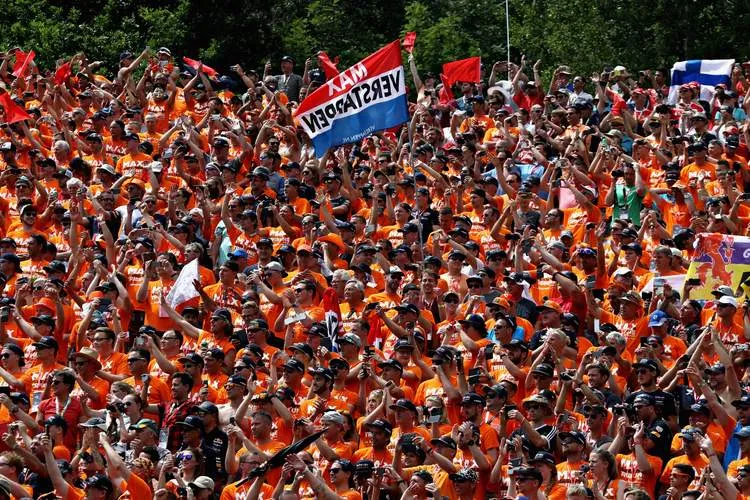
Typically an average grand prix weekend attracts around 100,000 to 300,000 Formula 1 fans during the course of the three days, a tangible fanbase which the sport's new owners intend leveraging and extracting important information, a tool neglected in the past.
Since last year's Austrian Grand Prix, and over the subsequent 11 races, some 18,000 fans (from Paddock Club level to general admission fans) participated in post-race surveys gauging the overall fan experience during the course of a race weekend and race day.
In an interview with ESPN, F1 Head of Research and Analytics Matt Roberts gave insight into the results of the survey, "We found from that research that spectators at races in the main, they have a great time. A good 97 percent say they have an enjoyable time, not many people say they have a bad time, but there were some improvement areas."
"A lot of people say they don't know what time things are on; they don't know necessarily how to find their way round to the fan parks, finding signage, all those kinds of things that we maybe don't do as well as we could be doing."
Using Wi-Fi enabled tracking at eight grand prix events this year, fans' movements will be monitored anonymously, "It's going to track how people move around the circuits, so we will know exactly what time people come in, what time they leave, which areas of the circuits they are accessing.
"We will know: Are they passing sponsor activations? Are they passing our activations?. How long they spend in those activations. Are there any areas of the site that we are not maximising; can we put more merchants in some areas?"
"People not moving around thing is interesting; in Austin ... a lot of people went sat in front of the fan forum because it had a big screen and they stayed there all day. They had their backs to the track, they weren't even looking at the track or the cars on the track.
"We found that quite fascinating; people do find their spot. At Austin, we have one merchandise megastore, which was nowhere near where those guys were sat. For us, it has some implications about 'could we move some of those things closer to the fans?', rather than expecting that they'll walk around -- not everyone does."
Roberts expanded on how the research data is gathered and interpreted, "What we do is research on the three markets. We show respondents actual footage from the race. The markets are UK, US and China. The different respondents see different types of footage from different brands.
"For example, one respondent might see footage of Gulf Air, another respondent might see footage with a logo of a planted brand that doesn't really exist. Then all the respondents are asked about their brand: which sponsors did you see?"
"If they say: I saw Rolex. They are then asked, where did you see Rolex? And they're given an option of a number of different places where they could have seen Rolex: I saw it there and I saw it there."
"If they don't get it right, we say that they didn't see it because you'll know Rolex, it's a big brand [linked with the sport] and you know that. So, it takes out that misattribution. They have to answer all these questions right to be considered someone who actually saw the brand.
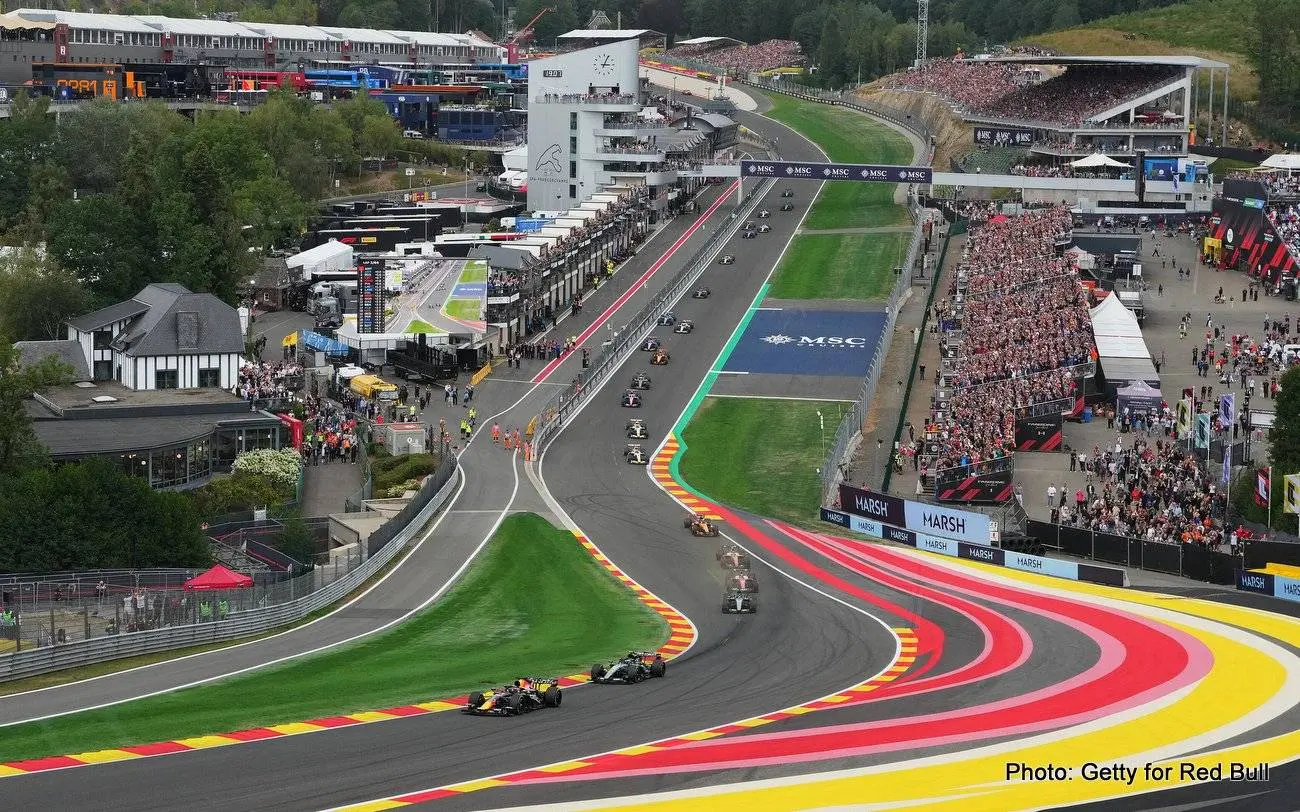
"What we do after that is ask how you saw the brand, how much did that make you likely to consider that brand moving forward? We develop a consideration score and then we understand the quality of exposure. The findings we had showed that at the first turn, grass signage was actually five times more effective than a static sign.
"The podium is actually half as effective as a static sign. LED is three times more effective than a static sign. You get all these different findings and those different boards have different values applied," added Roberts.
Latest News





Loading