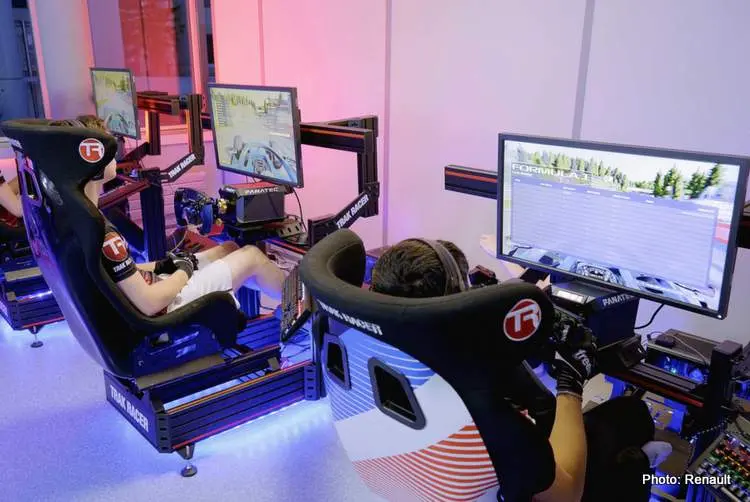
Formula 1 has always been a showcase of speed, precision, and cutting-edge technology. Over the years, that same energy has fueled the evolution of F1 video games.
What started as simple arcade titles has transformed into a genre known for realism, strategic depth, and immersive gameplay. This report explores the F1 games that shaped the world of virtual racing and raised the bar for motorsport simulations.
Early Classics That Set the Tone
The earliest F1 games in the 1980s and 1990s laid the foundation for what was to come. Titles like
Pole Position, Nigel Mansell’s World Championship Racing, and F1 Grand Prix introduced players to the thrill of racing through circuits inspired by the real-world Formula 1 calendar.
A significant milestone came in 1996 with Grand Prix 2 by Geoff Crammond. This game pushed boundaries with advanced telemetry, realistic physics, and full cockpit views. For the first time, players could understand how car setups and tire choices influenced performance on track. It was a massive leap from the arcade roots of racing games and signaled a shift toward true simulation.
The Rise of Realistic Simulations

By the early 2000s, developers began embracing realism in a serious way. F1 Challenge '99–'02 from EA Sports offered season-long campaigns and in-depth tuning options. Meanwhile, rFactor and its thriving modding community brought high-end simulations to the PC gaming world.
In 2010, Codemasters released F1 2010, which became a game-changer for the genre. With dynamic weather, evolving track conditions, and career modes, it offered a Formula 1 experience that felt authentic. Every race presented new challenges, from managing tire wear to navigating rain-soaked circuits, all while building a reputation as a driver.
Groundbreaking Features That Made History
Some F1 games have stood out for the way they introduced new features that redefined the genre:
- F1 2013 brought back classic cars and circuits, allowing players to relive famous moments from F1 history.
- F1 2020 introduced the My Team mode, letting players create and manage their own Formula 1 team. This added an entirely new layer of strategy and engagement.
- F1 2021 launched the story-driven Braking Point mode, combining dramatic storytelling with gameplay.
- F1 23 refined driving physics, improved handling, and brought back red flags, which made the racing experience even more authentic.
These features helped expand F1 gaming beyond the typical race-day thrill. Players started to connect more deeply with the sport, its history, and the strategic elements behind every lap.
F1 Esports and the Competitive Revolution

F1 games have also played a major role in the rise of virtual motorsport competitions. The official F1 Esports Series has given sim racers a global stage, with real teams recruiting top talent from online competitions. This shift has made F1 gaming more than just entertainment. For many, it is now a gateway into professional motorsport.
Content creators and streamers have further boosted interest in the genre by showcasing race highlights, sharing tips, and providing tutorials. As more platforms support digital gaming and online sports betting, brands like 188bet have contributed to growing this audience by offering fans new ways to engage with the sport.
Looking Ahead to the Future
The future of F1 gaming is bright and full of potential. Virtual reality is becoming more accessible, offering players a seat inside the cockpit like never before. Cross-platform play is making online racing more competitive, while improvements in AI and real-time data integration promise to make the experience more dynamic and responsive.
There is also growing interest in using real-world telemetry to let players predict or simulate actual races before they happen. These developments suggest that the line between real racing and virtual racing will continue to blur, opening new experiences for players around the world.
F1 games have come a long way since the early days of pixelated tracks and basic controls. With each new release, the genre has evolved, reflecting the complexity and excitement of real Formula 1.
These games have not only entertained fans but also helped build a passionate community that follows both the sport and its digital counterpart. As the technology continues to improve, the virtual racing experience is set to reach even greater heights.
Latest News




Loading