F1 and Alcohol: A High-Speed Partnership with a Social Conscience
F1 NewsTuesday, 15 July 2025 at 03:38
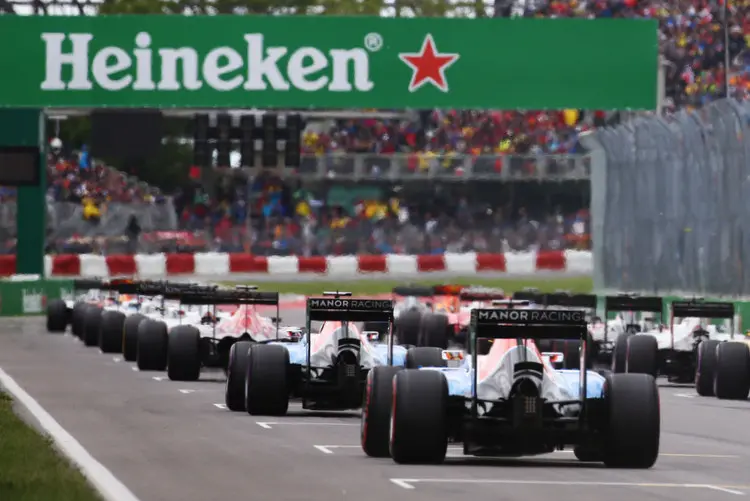
The world of Formula 1 has undergone significant transformations over the decades, not least in its approach to sponsorships.
Among the most notable shifts has been the evolving relationship between Formula 1 and alcohol brands. This connection has not only impacted the sport's image but has also raised questions about responsibility, particularly in light of increasing awareness surrounding issues surrounding alcohol.
In the early days of F1, sponsorships were often limited to automotive companies and a few other sectors. However, as the sport grew in popularity during the 1970s and 1980s, it became an attractive platform for a wider range of brands, including those in the alcohol industry.
Companies like Johnnie Walker and Martini began to make their presence felt, associating their products with the glamour and speed of racing. This partnership was mutually beneficial; alcohol brands gained visibility and prestige, while F1 teams received substantial financial backing.
The Rise of Alcohol Sponsorships

The 1990s marked a significant rise in alcohol sponsorships in F1. Brands such as Smirnoff and Bacardi invested heavily in the sport, leading to a proliferation of logos on cars, team uniforms, and trackside advertising.
This era saw alcohol brands not only sponsoring teams but also hosting lavish events during race weekends, further intertwining their identities with the F1 lifestyle.
The allure of F1 for alcohol companies was clear: the sport attracts a predominantly adult audience, many of whom are affluent and enjoy a lifestyle that complements the consumption of premium alcoholic beverages. This synergy between F1 and alcohol brands created a robust market for sponsorships, allowing teams to secure vital funding for their operations.
Shifting Attitudes and Regulatory Changes

As society's understanding of alcohol consumption evolved, so too did the scrutiny of alcohol sponsorships in sports. By the late 1990s and early 2000s, concerns regarding the promotion of alcohol, especially in relation to younger audiences, began to surface.
Advocacy for responsible drinking became more pronounced, prompting discussions about the ethical implications of alcohol sponsorships in F1. In response to these growing concerns, the FIA (Fédération Internationale de l'Automobile) introduced stricter regulations regarding alcohol advertising.
These regulations aimed to ensure that sponsorships did not glamorise excessive drinking or target underage audiences. As a result, some brands began to rethink their strategies, leading to a decline in overt alcohol marketing within the sport.
The Present Landscape

Today, the landscape of alcohol sponsorships in F1 is markedly different from its heyday. While alcohol brands still play a significant role, their approach has become more nuanced.
Many companies now focus on promoting responsible drinking and supporting initiatives related to alcohol rehab recovery , and awareness campaigns. This shift reflects a broader trend within the industry to align marketing strategies with social responsibility.
For instance, in recent years, brands like Heineken have emphasised their commitment to responsible drinking through campaigns that encourage moderation.
Heineken's sponsorship of the F1 series has been accompanied by initiatives aimed at promoting a balanced lifestyle, demonstrating that it is possible to enjoy the excitement of F1 while being mindful of alcohol consumption.
Case Studies: Successful Partnerships

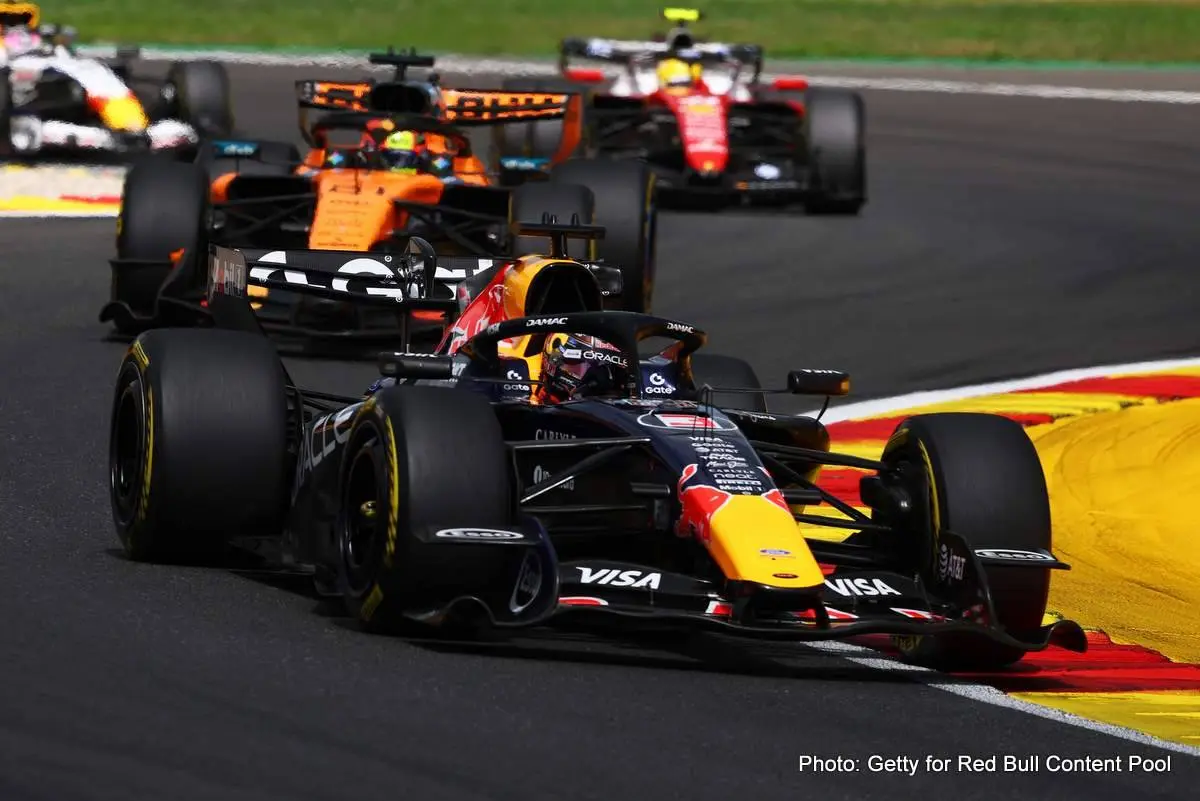
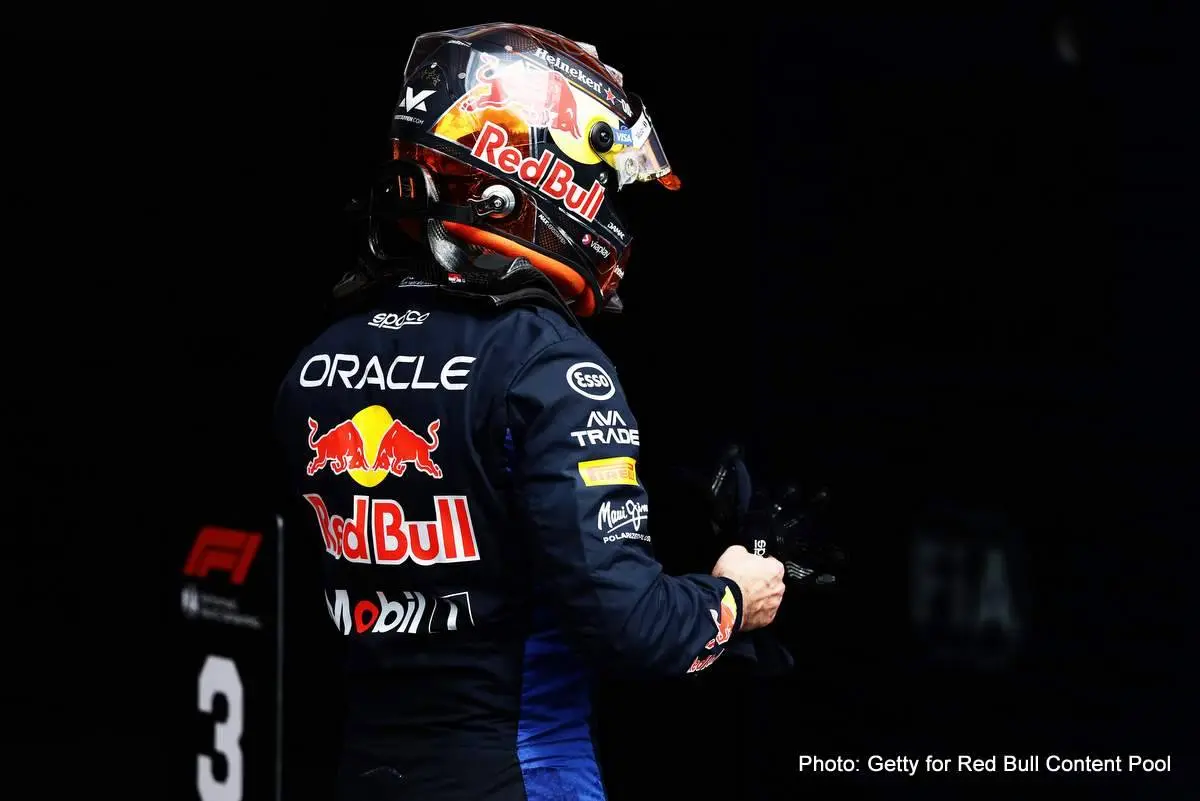
One notable example of a successful alcohol sponsorship in F1 is the partnership between Heineken and the Red Bull Racing team. This collaboration has not only provided financial support for the team but has also allowed Heineken to showcase its commitment to responsible drinking.
Their "When You Drive, Never Drink" campaign aligns the brand with the values of safety and responsibility, effectively balancing the promotion of their product with a social message.
Another example is the collaboration between Martini and Williams Racing, which has successfully blended the heritage of both brands with a focus on sophistication and style.
Martini's presence on the Williams cars has become iconic, yet the brand has also embraced a responsible drinking ethos, recognising the need for balance in alcohol consumption.
The Future of Alcohol Sponsorships in F1

Looking ahead, the future of alcohol sponsorships in Formula 1 will likely continue to evolve. As the sport embraces new audiences and adapts to changing societal norms, alcohol brands will need to navigate the fine line between promoting their products and ensuring they do so responsibly.
The emphasis on social responsibility will remain paramount, especially in light of ongoing discussions around health and wellness.
Moreover, as F1 expands its global reach, sponsors will need to consider cultural differences in attitudes towards alcohol consumption. What may be acceptable in one region could be frowned upon in another, necessitating a tailored approach to marketing strategies.
The evolution of alcohol sponsorships in Formula 1 reflects broader trends in society's relationship with alcohol. While the financial benefits of such partnerships are undeniable, the focus on responsible drinking and social responsibility is becoming increasingly important.
As F1 continues to attract a diverse audience, the challenge for alcohol brands will be to maintain their presence in the sport while promoting a message that resonates with contemporary values. In doing so, they can contribute positively to the narrative surrounding alcohol consumption and its impact on society, including the vital discussions around rehabitation.
Latest News
Loading