Racing isn’t about chaos. It’s about control in chaos. Every driver knows the noise never stops: the screech of engines, the blink-of-an-eye decisions, the pit wall chatter in one ear, and instincts shouting in the other.
But the great racing drivers move through that chaos with unnerving calm. That’s what pressure reveals, not nerves, but the ability to stay still in motion. And it's not just something you’re born with. Pressure management in racing is a trained muscle. One that grows from laps, from mistakes, from learning to make clean choices in dirty conditions.
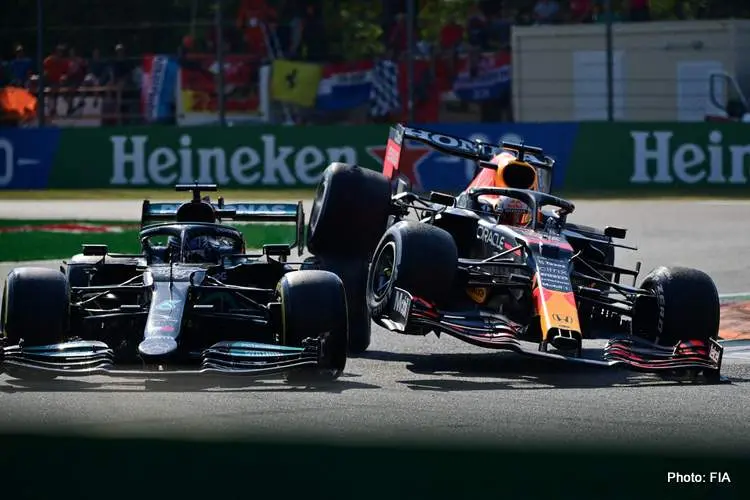
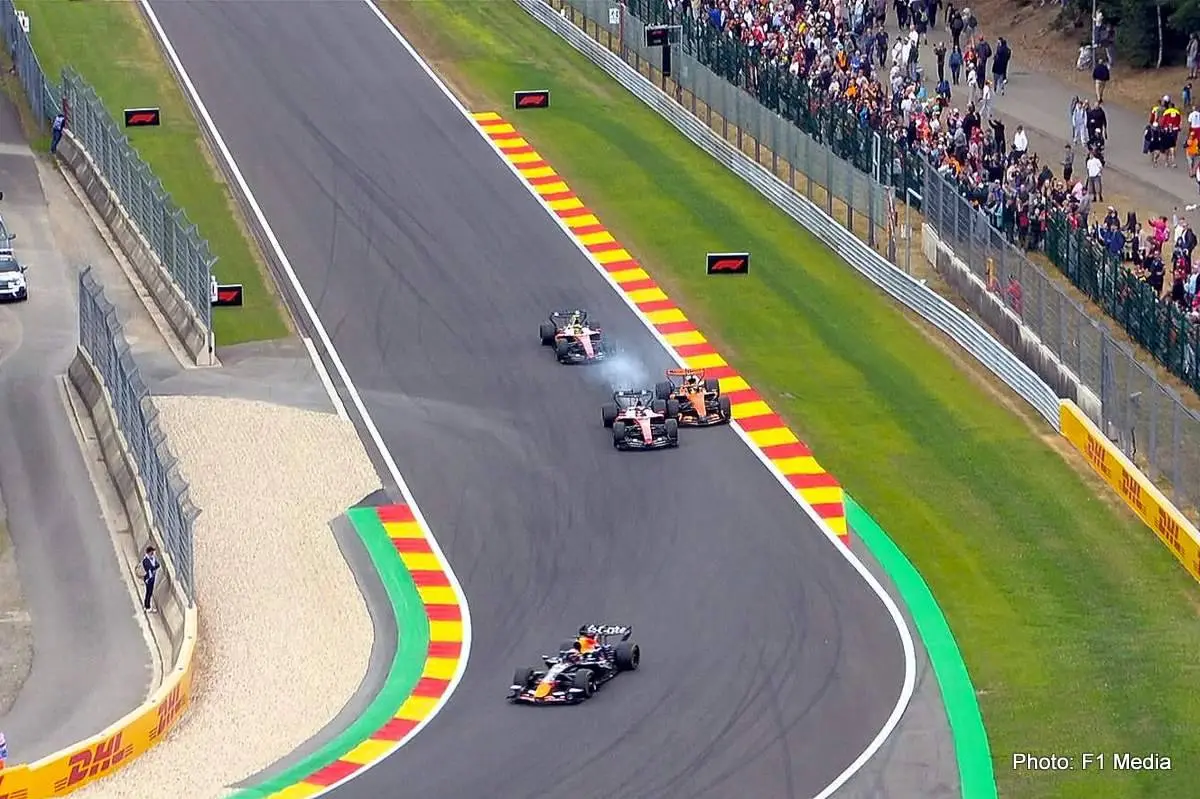
It's the difference between taking a late-braking divebomb that ends in contact and waiting one corner more to make it stick with surgical precision.
Where Calm Beats Chaos
Watch any top-tier driver, and you’ll notice something strange: they rarely look rushed. Even in the thick of a battle, their movements are minimal. Eyes flick between mirrors and apex. Hands barely twitch on the wheel. But the decisions behind those movements? Fast. Layered. Ruthless when they need to be.
That’s what separates talent from composure.
Because racing, at its peak, is about managing incomplete information. The tyres aren’t always perfect. The telemetry may be misleading. The guy behind is gaining. And the wall’s never far. Yet through it all, a winning lap is not quiet not because the car is, but because the mind is.
Pressure Doesn't Discriminate

This same dynamic, being judged not by what you do, but when you do it, is creeping into other areas, too. Beyond simulators and e-sports, some modern mini-games have started tapping into that same tension.
One example is Lucky Jet, a stripped-down, pressure-based mini-game that mirrors some of racing’s psychological intensity.
It’s easy to dismiss at first glance. The visuals are stripped back. The objective is simple: jump out before the crash. But behind that simplicity is something familiar: a rising sense of risk, a temptation to push “just a bit more,” and a split-second window that separates success from loss.
Like defending a position on worn tyres with DRS looming behind, it’s not the action that’s hard, it’s knowing when not to act.
The Thin Line Between Push and Patience
In motorsport, the instinct is always to go. Faster, earlier, deeper into the braking zone. But that’s rarely what wins races. The best known when to lift. When to save tyres. When to back off just long enough to strike harder later.
That same mental switch, patience as power, is what games like Lucky Jet force you to flip.
There's no lap time. No rivals. Just you and your decision. Wait too long, and you lose. Bail too early, and you wonder what might have been. It’s all psychological. And strangely, it recreates something core to racing: the art of controlled risk.
This isn't about making racing metaphors fit. It’s about recognising that pressure feels the same, whether you’re in an F1 car or watching a countdown tick toward zero. And in both, composure wins.
Small Decisions, Big Impact

The greatest drivers of the last few decades, Prost, Schumacher, Alonso, Hamilton, they all had something beyond raw speed. They had timing. Not just on the track, but off it too. When to attack a title run. When to leave a team. When to switch strategy mid-race.
Games that reflect even a shadow of this decision-making, where the consequence of a single moment lasts longer than the moment itself they tap into the same appeal. They don’t ask you to be quick. They ask you to be right. And when you are? It feels earned.
Discipline Isn’t Boring, It’s Elite
There’s a misconception that patient racing is dull. Those games requiring restraint are slow. But ask any driver: holding back can be harder than going all in. Because it means trusting your read of the situation. Believing your timing will be better than theirs. Waiting, while every part of you wants to dive.
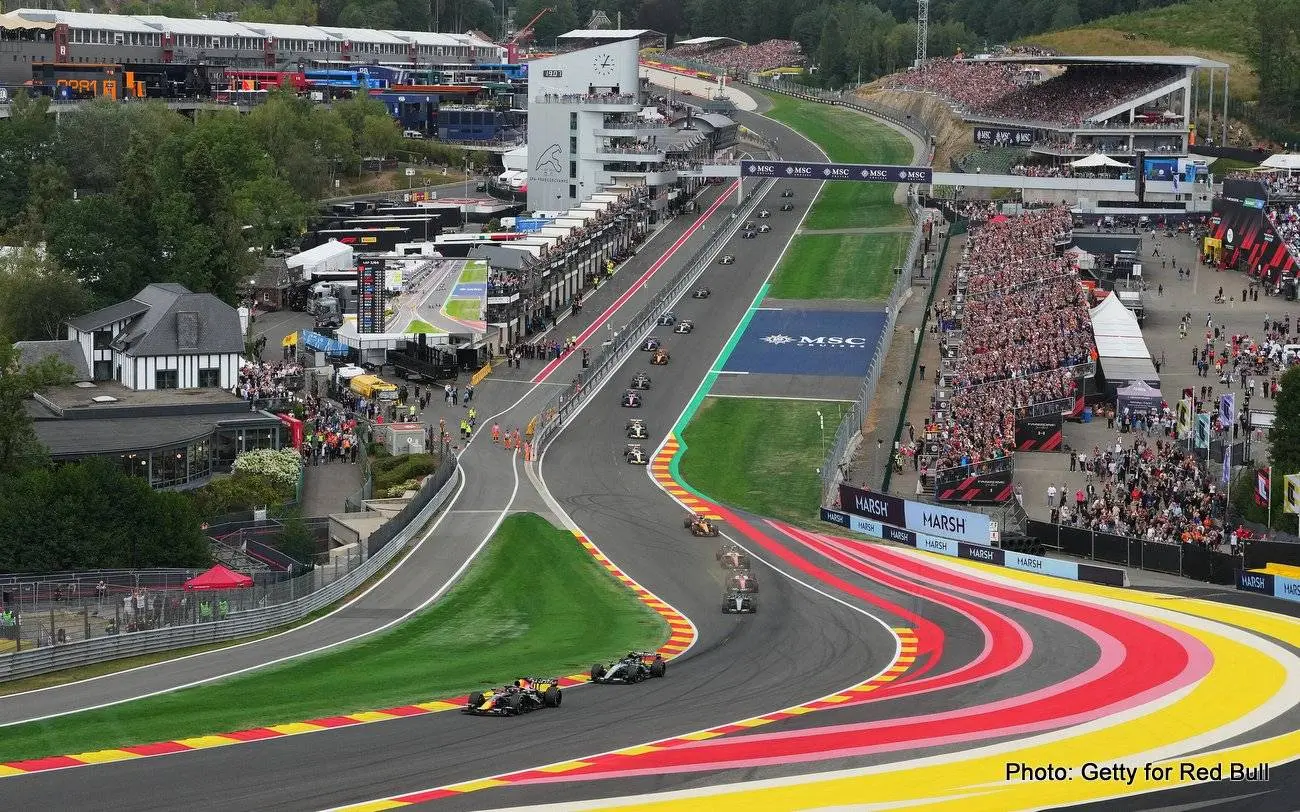
That’s pressure. Not hype. Not theatrics. Real tension. And it’s the same whether you’re in a simulator, a mini-game, or threading a car through Eau Rouge on cold tyres.
The lesson is the same: eyes up, hands steady, and know that sometimes, the smartest move is no move yet.
Latest News
Loading