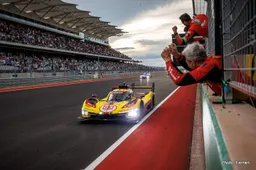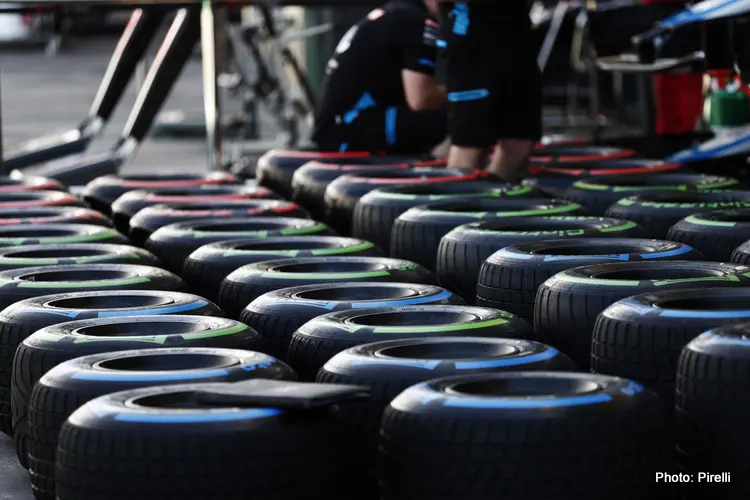
It is known that Pirelli will be the exclusive supplier of tyres for Formula 1 bolides until 2027. The very development of tires has come a long way from the usual almost serial samples in the first races to the ultra-technological coating used now.
Let's talk about the difference in speed and safety of Formula 1 tyres at the beginning of history and in modern times.
It can be compared to writing student papers without using literature to create papers with the help of writing services such as grademiners, where writers help with everything from choosing a topic to writing a paper from scratch.
Nowadays, Formula 1 bolide is not very different from a spacecraft in terms of technology. Many sensors control all the car's systems, and modern alloys and engineering solutions make Formula 1 cars the unique four-wheel drive vehicles capable of turning at speeds that are not capable of any other racing vehicle. Tyres in this equation take one of the leading positions.
The First Tyres in Formula 1

Formula 1 racing dates back to 1950. In the first season, the race cars used tyres mass-produced tyres similar to the ones used in conventional cars. Although the Dunlop Racing tires were designed specifically for racing due to the lack of technology and the development of speed sport, the tyres had many problems revealed in the racing process.
They were diagonal tyres with a high sidewall, which was poorly suited for high-speed corners. The grip was limited, and wear was very high. Racers often went off the track because of tire blowouts due to overheating. According to various estimates, about 30% of all retirements were due to tire problems.
The Advent of Radial yires
In the 1960s-1970s, there was significant progress in all motorsports; bolides changed appearance became more squat and aerodynamic, and since the end of 70 years, the approach to tyres radically changed, namely with the advent of radial tyres .
In 1977, after numerous tests, Michelin and Renault, for the first time, used radial tyres at the Formula 1 race. Unlike diagonal tyres , radials have a carcass of metal cords perpendicular to the tread. Thanks to the innovations and greater durability of tires, the speed on the tracks increased, and the number of pit stops decreased.
The Emergence of Slicks and Rain Tyres

With the development of the formula increasing speeds, it became obvious that it was necessary to solve the main problem, namely increased grip on a dry track and better control on a wet one. Thus, slicks and wet tyres appeared in Formula 1 at intervals of a few years.
Goodyear was the main company that developed slicks, and in 1971, they first adorned Formula 1 cars. At the same time, the competitors from Firestone were developing rain tires, which would allow the car's stability on a wet track.
The tread pattern was taken as a basis, which, at the expense of high revolutions, literally pushed water aside, allowing the main part of the tire to get sufficient grip on the road surface.
Current Practices and Technologies
Monopolism. The year 2007 saw the end of a long period of changing tire suppliers for Formula 1 teams. They were Goodyear, Michelin, Pirelli, Bridgestone, and several other manufacturers at various times. The emergence of a long-term monopoly supplier was a consequence of the so-called tire wars in the early 2000s when Bridgestone and Michelin simultaneously supplied their kits for the drivers.
The Federation finally decided that the system should be standardized. In 2006, Bridgestone took the monopoly position after the four-year conflict with Michelin. Still, in 2011, the only supplier was Pirelli, known to occupy this place now and will occupy at least three more years.
Change of Tire Compound

Over the past decades, tire composition has undergone many changes; only the base material has remained unchanged. The basic material is a special compound that provides optimal grip at different temperatures. In recent years, Pirelli has been actively developing new rubber compounds that can work in a narrow temperature range.
Computer Modeling
Pirelli conducts many computer tests before the finished tyres are poured and physical tests begin. Based on these results, the rubber compound is modified, and changes are made. Once the results are satisfactory, the company produces new sets of tires supplied to the drivers for participation in a particular grand prix. Physical tests on stands and real bolides, of course, are also conducted.
This approach allows us to avoid surprises and prevent accidents. This reinsurance and study of all the nuances is similar to the search for the best essay writing service, which can only succeed if conducting a preliminary search and learning about all the nuances of cooperation before ordering the work.
All for Speed and Traction

If in 1950, in the first season of Formula 1, the word aerodynamics was applied mostly to airplanes, nowadays the aerodynamics of the bolide is the lion's share of success, and tyres in modern bolides are as much a part of the aerodynamic model as anti-wings and side fairings.
Setting the car in the conditions of new aerodynamic challenges is a whole science, and engineering teams adjust the pressure in the tires for a particular race strategy and track every time in a new way.
Every millimeter of tire wear, temperature drop, or rise affects top and cornering speeds. In the end, all these millimeters add up to tenths of a second gained or lost per lap, which over 50 laps can significantly impact the final position in the table.
Conclusion
Tire technology in Formula One has advanced greatly, from the diagonal tyres of the 1950s to modern slicks and rain tires. The introduction of radial tires and the monopolization of supply since 2007 have promoted standardization and improved safety. Modern Pirelli tyres with different compounds allow teams to adapt strategies to track conditions, which has been a key success factor.
Latest News






Loading