Since the inception of the Formula 1 World Championship in 1950, sponsorship has been an integral part of the sport.
What began as a modest partnership between teams and fuel or tire suppliers evolved into a high-stakes business dominated by tobacco brands, followed by banks, telecoms, and most recently, crypto through to iGaming provider .
This journey has reshaped F1’s financial structure and transformed its brand identity. Over the decades, the types of sponsors have shifted, reflecting broader changes in society and the global economy.
In the Beginning: Fuel and Tyre Companies in the 1950s

In the early years of Formula 1, sponsors were mainly fuel companies and tire manufacturers. Brands like Shell, BP, and Dunlop realised the sport’s potential as a testing ground and a promotional platform. The high speeds and extreme demands of F1 racing provided an unparalleled arena for pushing their products to the limit.
In addition, the glamour associated with Grand Prix racing offered these companies an exciting way to engage with consumers, who admired the engineering feats and were intrigued by the brands behind them.
The partnership between these companies and F1 was mutually beneficial. Teams needed reliable fuel and tires to succeed, while brands enjoyed an exclusive connection to cutting-edge motorsport technology. As Formula 1’s fanbase grew internationally, companies understood that sponsoring a team or event could help them reach a wider audience. This marked the beginning of F1 as an international advertising stage.
Tobacco Era: Glitz, Glamour, and Health Controversies

The 1970s ushered in a transformative era of sponsorship with the arrival of the tobacco industry. Lotus, an innovative team on and off the track, led the way by securing a deal with Gold Leaf and soon after with John Player Special (JPS), marking the beginning of a longstanding association between F1 and tobacco brands.
The sight of the JPS black and gold Lotus, or the distinctive red and white Marlboro McLaren, became synonymous with Formula 1’s ‘golden age.’
Tobacco companies were drawn to the sport’s glamorous image and male-dominated audience. F1 drivers, who were seen as risk-takers and symbols of cool, embodied the aspirational lifestyle these brands sought to project.
Marlboro, Camel, and Embassy became major players, with logos emblazoned on cars, uniforms, and racetracks, turning F1 into a powerful marketing vehicle. Sponsorship dollars from tobacco giants also helped teams improve their operations and engineering, driving an era of rapid innovation and competition.
However, as public attitudes toward smoking shifted and awareness of health risks grew, tobacco’s association with sport came under scrutiny. In 2005, a blanket ban on tobacco advertising in motorsport was enforced in most countries, dealing a blow to F1’s revenue streams.
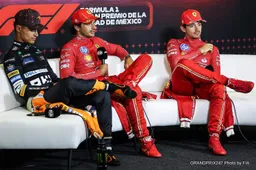
Philip Morris, the owner of Marlboro, found a workaround with Ferrari, continuing their partnership by evolving Marlboro branding into a more abstract form, yet the era of prominent tobacco logos on cars had come to an end.
Financial Institutions and Telecom Take Over

After the tobacco era waned, financial institutions and telecommunications companies filled the sponsorship void. Brands such as HSBC, Santander, and RBS joined the F1 circuit in the early 2000s, injecting new financial backing into the sport.
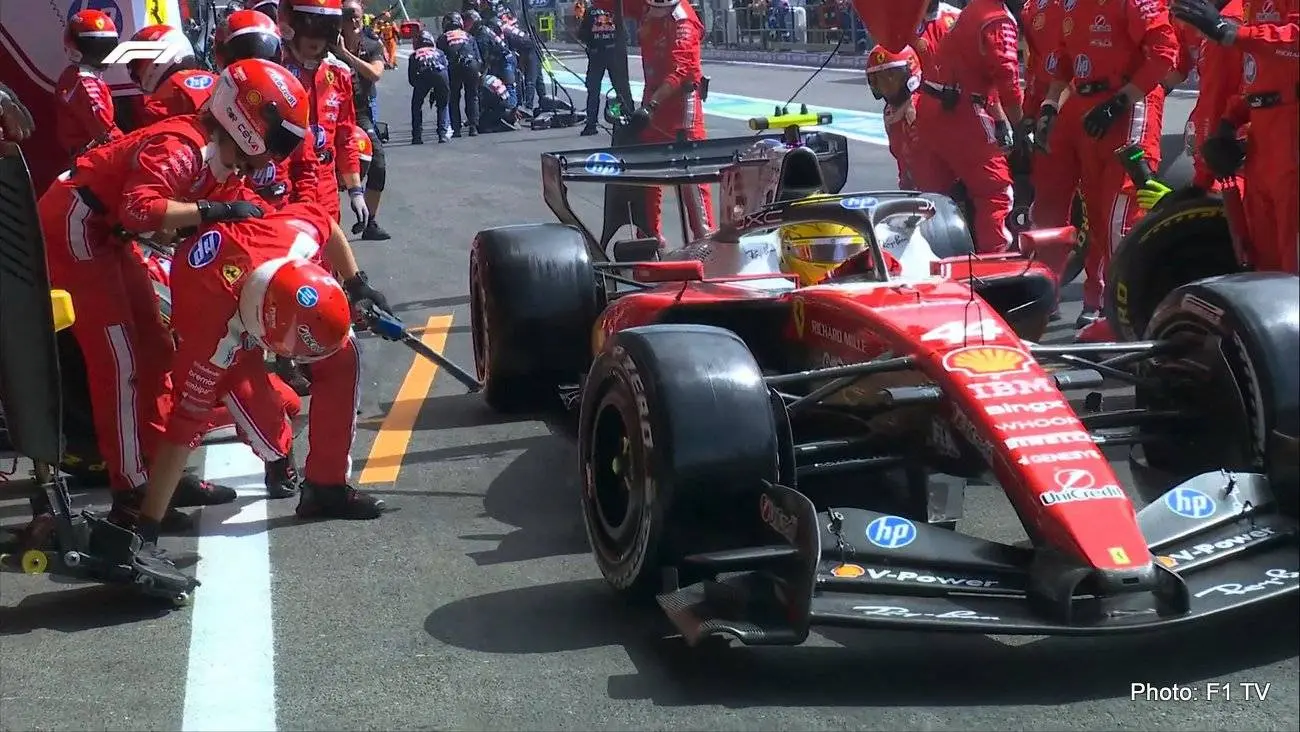
Banks saw Formula 1 as a fitting platform for promoting prestige, reliability, and their ability to support complex, high-stakes industries, qualities they wanted to associate with their brands. The partnerships with major teams, particularly Ferrari and McLaren, helped boost global recognition of these banking brands.
Meanwhile, telecom companies like Vodafone and Telefonica capitalised on F1’s growing global viewership. Vodafone’s high-profile title sponsorship with McLaren from 2007 to 2013 remains one of the most visible examples of telecom companies’ investment in the sport.
With a wider international fanbase emerging due to advances in broadcasting technology, these brands recognised F1 as an effective medium to connect with a diverse, worldwide audience.
The Rise of Energy Drinks and Red Bull’s Sponsorship Revolution

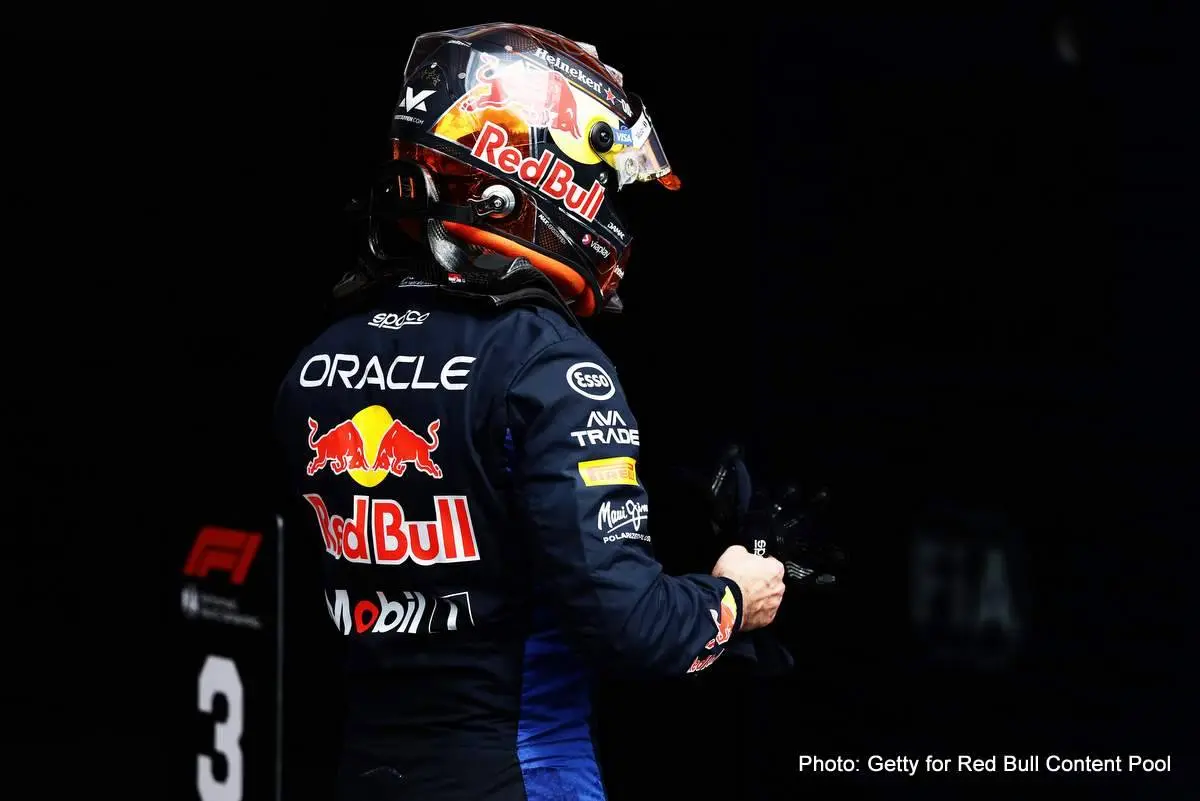
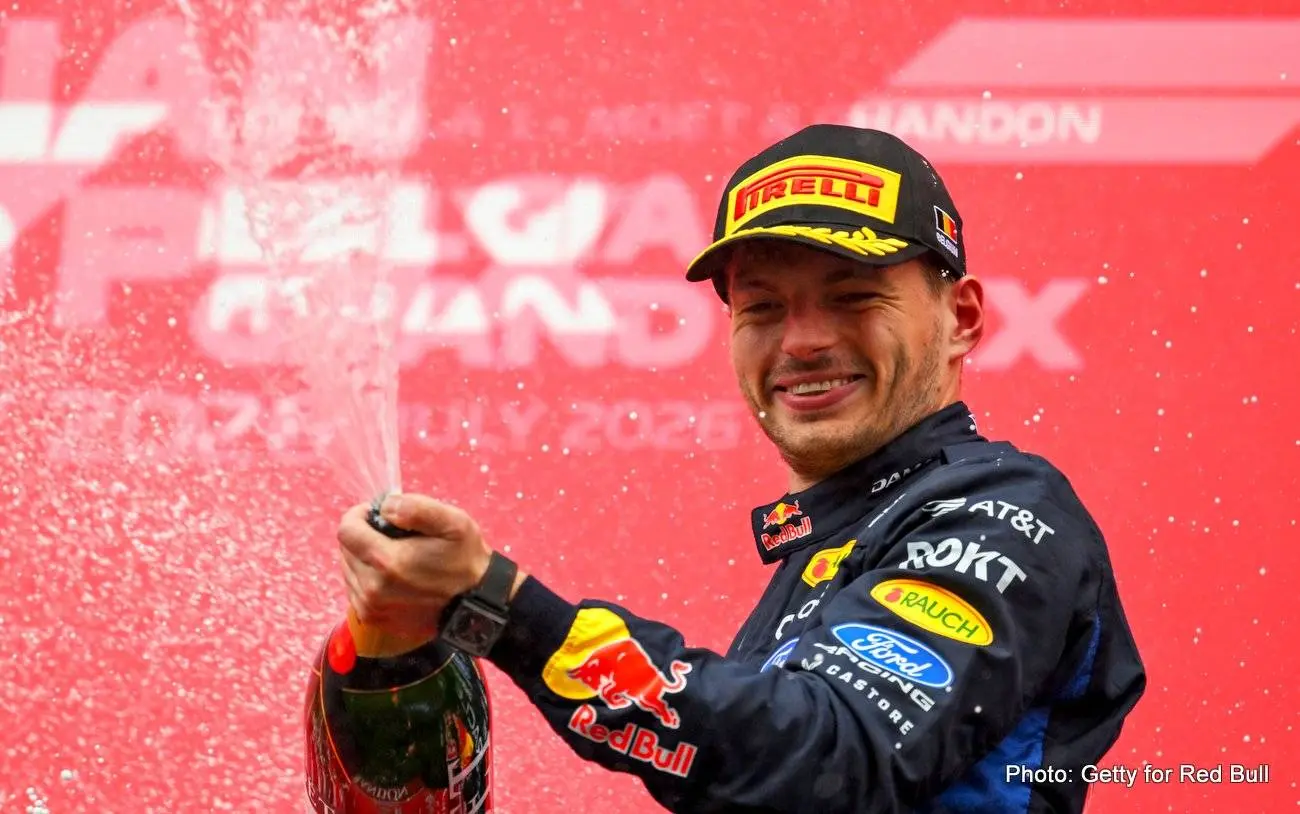
In the late 2000s, Red Bull transformed F1 sponsorship with an approach that emphasised lifestyle branding. Known for its associations with extreme sports and adventurous branding, Red Bull bought the Jaguar Racing team in 2004 and turned it into Red Bull Racing.
This unique approach marked a shift from traditional sponsorship to full ownership, with Red Bull effectively becoming both team and sponsor.
Red Bull’s success showed the value of aligning a brand’s identity with F1’s thrilling, boundary-pushing image. The brand’s emphasis on high-energy lifestyles appealed to a younger generation, and Red Bull’s branding went beyond just placing logos on cars.
They incorporated lifestyle events and aggressive marketing tactics to turn the team into a winning powerhouse, claiming multiple constructors’ and drivers’ championships in the 2010s.
New Millennium: Betting, Cryptocurrency, and iGaming

As Formula 1 entered the digital age, new industries emerged, with iGaming, cryptocurrency, and blockchain companies at the forefront. These companies, eager to gain visibility on a global stage, turned to F1 as an appealing advertising medium.
Cryptocurrency platforms and digital wallets like Crypto.com began to appear on cars, circuits, and merchandise, tapping into the sport’s tech-savvy, innovation-minded audience.
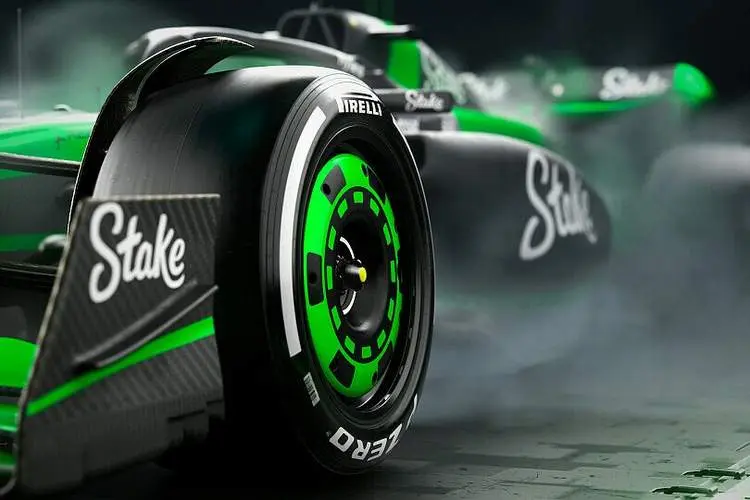
Betting companies also became prominent F1 sponsors, adding a new layer of controversy given the gambling industry’s historically contentious association with sports. Stake, an iGaming platform, made headlines by signing a title sponsorship deal with Sauber in 2023, marking one of the first major iGaming sponsorships in F1.
Stake’s branding on Sauber’s cars exemplifies the modern era’s shift toward digital-based industries that focus on online engagement.
F1’s history with sponsorship is marked by its adaptability. Each new wave of sponsors—from tobacco to banking to crypto—has been characterised by different values and priorities, reflecting shifting societal and economic trends.
Navigating Modern Sponsorship Challenges

Today, F1 is a complex blend of traditional automotive sponsors like Mercedes-Benz and Pirelli with new-age digital companies. This variety has allowed F1 to remain financially robust, even as traditional sponsorship sources have faded.
Yet, modern sponsorship faces challenges. The controversies around crypto and betting sponsorships echo those once faced by tobacco, raising questions about ethical considerations and regulatory changes.
F1 has adapted to these challenges before, but finding a balance between financial gains and public perception will be crucial as the sport continues to attract unconventional brands.
From fuel companies in the 1950s to iGaming giants in the 2020s, Formula 1 sponsorship history mirrors broader societal and technological shifts. Each sponsor type brought unique advantages and controversies, but all shared a common objective: capitalising on F1’s captivating global reach and high-stakes environment.
As new brands join the grid, Formula 1 continues to embrace change, reflecting the sport’s resilience and ability to attract the world’s most ambitious advertisers.
Latest News








Loading