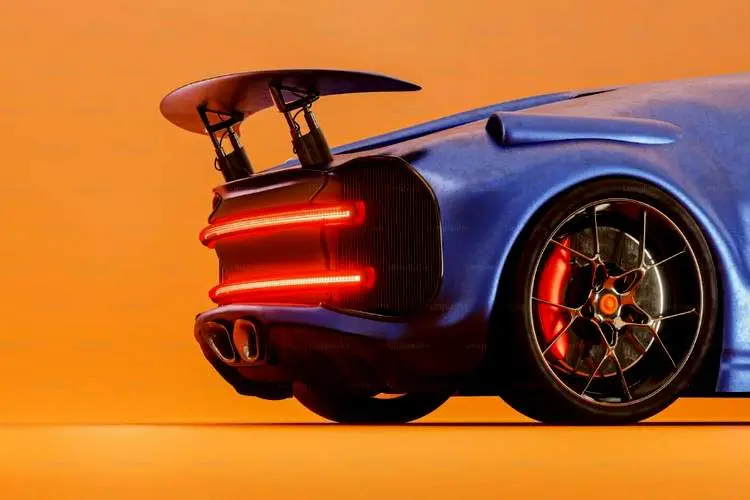
As Formula 1 approaches 2026, new power unit regulations promise to reshape the sport. These rules will introduce a more sustainable and advanced powertrain, impacting how teams allocate resources, plan for future success, and balance immediate gains with longer-term development.
While the details of the Formula Power Units for next season are still being finalized, manufacturers and teams are already making pivotal choices that will affect 2026 and beyond. Understanding how the 2026 power unit regulations are influencing current team investments is essential, as these rule changes are forcing teams to choose between short-term gains and long-term competitiveness.
Much like how players in best online poker rooms need to make strategic decisions that balance risk and reward, teams must navigate similar challenges when deciding where to invest resources. This article demonstrates how these shifts are reshaping team and manufacturer strategies, and why the decisions made today will determine who leads F1’s next era.
The 2026 power unit rules will bring a more sustainable hybrid engine, focusing on increased electrical power and sustainable fuels to reduce F1’s carbon footprint while maintaining performance.
- Current V6 turbo hybrids will give way to new 1.6L turbo units.
- Greater energy recovery and use will make the hybrid system more efficient.
- Fully sustainable fuels will minimize F1’s environmental impact.
- Limits on power unit spending will encourage competitiveness.
These regulatory changes create a pivotal moment that compels teams to balance technical risks and strategic investments: their choices now will decide who excels under the new rules.
The Balancing Act: Short-Term Race Gains vs. Long-Term Investment

For F1 teams, the introduction of the 2026 power unit regulations requires a delicate balance between focusing on immediate performance gains and investing in long-term development. In the short term, teams are still racing with the current generation of power units, and the development of these engines remains crucial for achieving success in the immediate seasons.
At the same time, teams must divert significant resources towards future-proofing their power units for 2026 and beyond.
The major challenge for manufacturers is how to allocate their resources between immediate upgrades to the current engine, which may be outdated by 2026, and the development of a power unit that will meet the new regulations.
This dilemma is particularly pressing for manufacturers who are already under pressure to stay competitive in the current season. The temptation to maximize performance gains today could come at the cost of long-term investments.
For example, a team that invests resources in improving the efficiency of its current engine may gain short-term performance improvements, but it risks lagging behind once the 2026 regulations take full effect. Conversely, focusing too much on the 2026 power unit could lead to lost points in the current championship battle, which might be detrimental in the short term.
Strategic Investments: Who’s Leading the Charge?

As 2026 nears, manufacturers make key decisions on long-term power unit investment. Each takes a unique approach to balance current and future demands.
Consider these leading players shaping F1’s engine future:
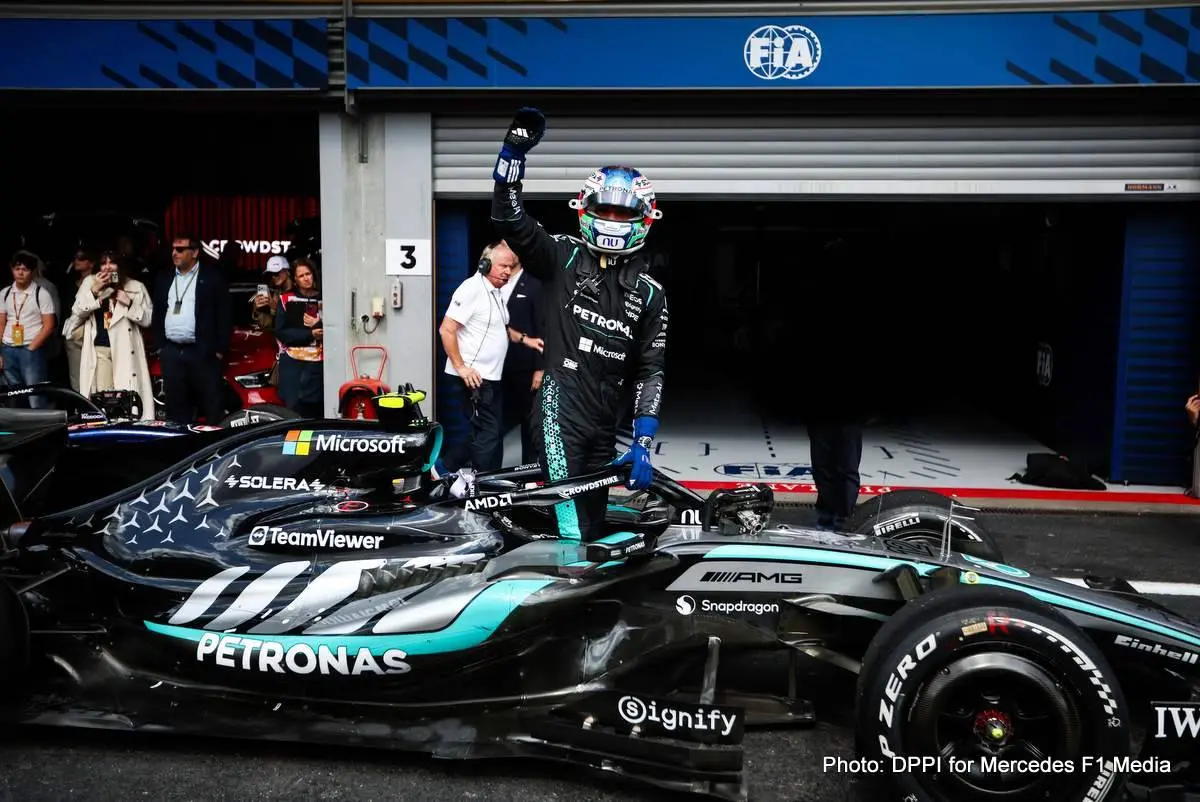
- Mercedes has dominated the hybrid era, but the shift to a more electrically powered engine presents both opportunities and challenges. The team has already invested heavily in developing its hybrid systems, and with the new focus on electrical power in 2026, Mercedes is well-positioned to leverage its deep expertise in both electrical and internal combustion technologies. The team’s history of innovation and its strong financial backing make it one of the leading contenders for success in the 2026 era.
- Ferrari: Ferrari has always been a key player in the engine department, and with the 2026 regulations emphasizing fuel efficiency and electrical power, Ferrari will need to invest heavily in refining its hybrid system.
The Scuderia’s long-term vision will likely focus on integrating its traditional strengths in power unit design with cutting-edge technology to deliver a well-rounded and competitive package. However, Ferrari must also be cautious of its current form and the balance it needs to strike between present performance and future-proofing its engine for 2026.
- Red Bull Powertrains: With Red Bull now fully committed to building its own power units in-house, the 2026 power unit regulations will be a pivotal moment for the team. The decision to step away from a traditional partnership with Honda and develop its own engines was a bold one, and it will likely pay dividends in the long run. Red Bull Powertrains will need to embrace the technological challenge of the new hybrid engine architecture, and the team’s strong performance in recent seasons gives it the momentum to make this leap successfully.
- Honda: Honda’s future in F1 is a bit more uncertain after its exit from the sport at the end of 2021. However, they remain involved with Red Bull as an engine supplier and may return as a full manufacturer by 2026. If Honda does re-enter, its commitment to the new hybrid power units will play a critical role in shaping their strategy for success. Honda’s past success with turbo hybrid engines puts them in a strong position to develop a competitive 2026 power unit if they re-enter the sport.
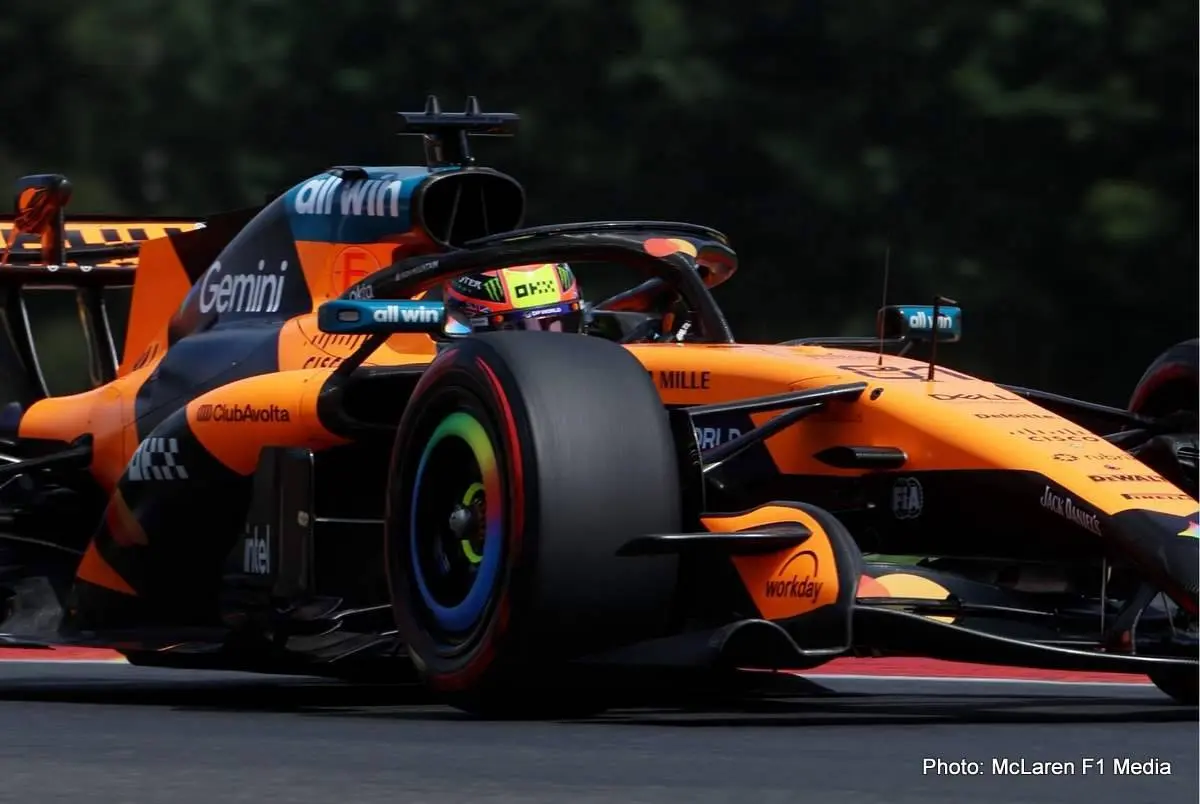
- Other manufacturers, such as Alpine and McLaren, are also closely watching the 2026 regulations, both investing heavily in power units. With the cost cap, those with smaller budgets must be more strategic and efficient in their spending. These teams may rely on partnerships or alliances to compete with larger rivals.
Long-Term Impact: The Technological Race

As F1 approaches 2026, power unit competition is expected to intensify. Manufacturers must refine designs, integrate hybrid tech, and meet FIA sustainability targets. The new rules start a technological race where small advantages matter.
Teams that get the architecture of their engines right in 2026 will not only have a competitive edge for that season but could also establish a long-term advantage in the post-2026 era. As with any revolution in F1, the teams that embrace the change early and with the right focus will be the ones that dominate the future.
The 2026 power unit regulations will fundamentally shape teams’ future success. The core challenge is how teams invest in both immediate performance and future readiness. Those who execute this balance best will set the competitive pace for F1’s next era.
Follow these developments as teams adapt to the engine changes for a transformative 2026. Watch which teams best balance current performance with future preparation—their actions now will dictate their success in the next era.
Latest News






Loading

