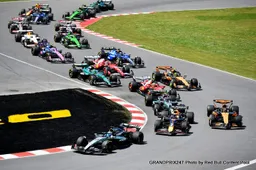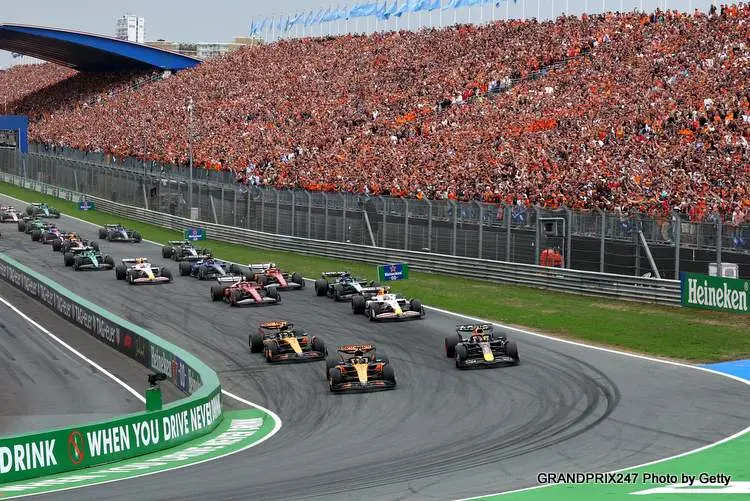
The Dutch gambling regulator, Kansspelautoriteit (KSA), has tightened its rules on betting promotion in sport, and the Formula 1 Heineken Dutch Grand Prix is directly affected.
Since July of this year, gambling sponsorships in sport are completely banned. This follows earlier phases that outlawed un-targeted advertising and non-sport sponsorships, making the Netherlands one of Europe’s strictest markets for gambling marketing.
The KSA’s goal is to reduce gambling exposure, particularly among younger fans. Its stance means no team, event, or athlete can display gambling branding. Sauber’s “Stake F1” name, for instance, cannot be used at Zandvoort, as the operator lacks a Dutch license.
Sponsorship Shifts Across the Sporting World
The debate around gambling sponsorship isn’t limited to Formula 1. Across the globe, governing bodies are reassessing how betting partnerships align with their image and social responsibility goals. From football to darts and even esports, there’s a growing preference for technology, fintech, and sustainability brands to reflect a cleaner, more future-focused direction.
This shift could inspire Formula 1 organisers and teams to diversify their commercial portfolios, reducing reliance on high-risk categories while appealing to advertisers seeking global reach without the regulatory scrutiny that gambling now attracts.
Parallels with the Premier League
This mirrors a wider European trend. The Premier League has announced that, from 2026/27, clubs will be forced to remove gambling sponsorships from the front of shirts, although other forms of advertising can remain. The Dutch ban, however, is absolute, closing all sponsorship routes rather than limiting placement.
Both decisions reflect growing political and public pressure to reduce the visibility of gambling in sport, especially where younger audiences are involved. And you would expect more sports and governments to follow suit in the years to come.
Financial Implications for the Dutch Grand Prix
Losing gambling sponsors may initially impact the Dutch GP’s revenue. Betting firms have historically offered some of the biggest commercial deals in motorsport, so replacing that investment could prove difficult.
Yet Zandvoort remains a commercial powerhouse. Sell-out crowds, international media coverage, and the Max Verstappen effect guarantee sustained interest from other industries. Over time, this cleaner sponsorship landscape may appeal to tech, mobility, and sustainability brands seeking reputationally safe exposure.
Effects on Teams and Sponsors
Formula 1 teams face growing complexity as national restrictions vary. Stake’s rebranding issues at Zandvoort underline that inconsistency. Teams with more balanced partner portfolios are less vulnerable.
Importantly, any online casino previously involved in sponsoring the Dutch Grand Prix in any way, shape or form will have to find another route to market, such as digital media sponsorships.
Could the Ban Reshape Formula 1?
F1 has always adapted to changing advertising laws, from tobacco and alcohol to crypto. The Dutch decision adds another regulatory layer, but it may accelerate the sport’s shift toward longer-term, compliance-friendly categories.
As more countries follow suit, Formula 1 could position itself as a global platform free from volatile sponsorship sectors. That may reduce short-term cash flow but strengthen its image among family-friendly audiences and major international brands.
The way forward
While the Dutch gambling-sponsorship ban introduces short-term financial challenges, it won’t derail the Dutch Grand Prix or Formula 1. The event remains one of the sport’s most vibrant fixtures, with high attendance and global appeal.
Ultimately, the ban forces teams and organisers to innovate, ensuring the sport’s commercial model evolves to align with modern advertising ethics and regulatory standards.
Latest News




Loading