As the lights dim and the engines roar to life, the spectacle of Formula 1 unfolds like a high-speed ballet, with precision, power, and strategy on full display.
Amidst this thrilling backdrop, Formula 1 betting offers two main avenues: wagering on drivers or constructors. Each path comes with its own set of risks, rewards, and strategic considerations.
Driver bets hone in on individual performances, where a single mistake can make all the difference. In contrast, constructor bets focus on a team's collective strength, where the synergy between drivers, engineers, and machinery can lead to championship glory.
By grasping the intricacies of both markets, you can refine your betting strategy and navigate the twists and turns of the F1 season with confidence.
Understanding Driver Betting

Driver betting is straightforward—you're backing an individual to win a race, finish on the podium, or secure the fastest lap. These bets are popular because they allow fans to focus on standout performers rather than the complexities of team dynamics.
Advantages of Betting on Drivers
- More Market Variety – You can bet on outright winners, podium finishes, fastest laps, or head-to-head matchups.
- High-Payout Potential – Betting on underdogs or mid-grid drivers can lead to significant payouts, especially in unpredictable races.
- Track-Specific Performance – Certain drivers excel at specific circuits offering valuable betting opportunities.
Risks of Driver Betting
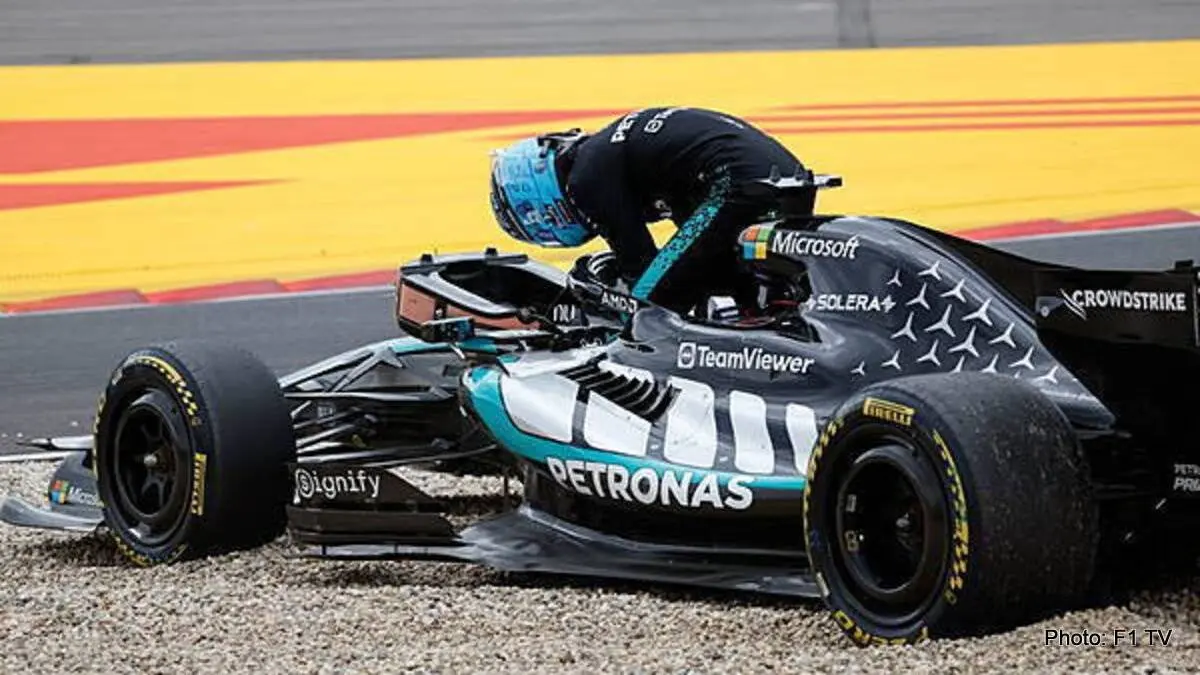
- Mechanical Failures – A driver’s race can be ruined by car issues beyond their control.
- Team Orders – Some teams prioritize one driver over another, impacting betting outcomes.
- Weather and Accidents – Rain, collisions, or strategy missteps can derail a well-placed bet.
Formula 1 Constructor Betting: Team Strength Over Individual Skill

Constructor betting shifts the focus to the team rather than a single driver. Instead of relying on one person's performance, you're betting on the collective success of a constructor like Red Bull, Ferrari, or Mercedes.
Advantages of Betting on Formula 1 Constructors
- Reduced Risk – With two drivers per team, one can compensate for the other’s poor performance.
- Long-Term Stability – Strong teams consistently deliver results, making season-long bets more reliable.
- Strategic Edge – Constructors with the best engineering, pit crews, and strategies tend to dominate, giving them an advantage over one-off driver performances.
Risks of Constructor Betting
- Team Strategy Priorities – If one driver is significantly better than the other, the second driver may not contribute as much to constructor points.
- Car Performance Swings – A team that starts strong may struggle with mid-season development, affecting long-term bets.
- Unpredictable Race Incidents – Double DNFs (Did Not Finish) due to reliability issues or crashes can lead to unexpected losses.
Which Bet Offers Better Value?

Neither option is inherently better—it depends on the bettor’s strategy and risk tolerance. If you prefer short-term excitement and higher payouts, driver bets can be appealing. However, if you favor consistency, in-depth research and leveraging long-term trends, constructor betting offers more opportunity.
Key Factors to Consider
- Track Characteristics – Some circuits favor driver skill (e.g., Monaco), while others highlight car performance (e.g., Monza).
- Weather Conditions – Wet races introduce unpredictability, making driver bets riskier.
- Current Form – Some teams improve over the season, while others struggle with upgrades.
- Team Orders and Politics – A secondary driver may be forced to support a teammate rather than chase an independent result.
One of the most critical factors influencing the success or failure of a betting strategy is understanding how Formula One odds reflect the complexity of the factors affecting race outcomes. Bookmakers set odds based on a mix of driver performance, team strength, and historical data, but they also adjust them based on real-time developments like qualifying results, grid penalties, or weather forecasts.
How Race Strategy Impacts Betting Outcomes

Formula One races are not just about raw speed—strategy plays a massive role in determining results. Pit stops, tire choices, fuel loads, and even safety car interventions can drastically alter a driver’s or team's performance.
- Undercuts and Overcuts – Some drivers gain positions through strategic pit stops, making timing a crucial factor in betting.
- Tire Degradation – Teams with better tire management can maintain pace longer, impacting both driver and constructor bets.
- Weather-Driven Strategies – Rain can turn a predictable race into chaos, favoring experienced drivers and well-prepared teams.
Understanding team tendencies and past strategic calls can help bettors anticipate unexpected outcomes.
The Role of Reliability, Development and Mishaps

Car performance fluctuates throughout the season as teams introduce upgrades or face reliability issues. These changes can make or break a bet, particularly in constructor markets. Keeping up with Formula One news is crucial, as mid-season updates, regulation changes, and team developments often determine which teams remain competitive and which ones fall behind.
- Early vs. Late-Season Performance – Some teams start strong but struggle with development, while others improve over time.
- Mechanical Failures – Even top-tier teams experience unexpected breakdowns, leading to race retirements.
- Penalty Risks – Grid penalties for engine changes or technical infractions can severely impact a driver’s chances, making constructor bets safer in certain situations.
Monitoring technical updates, team reliability trends, and mid-season development plans can help refine betting decisions.
Choose Your Lane in Formula 1
Both driver and constructor betting offer distinct advantages, but they require different approaches. Driver bets provide high-reward potential but come with greater unpredictability. Constructor bets offer stability and long-term value but may not yield quick payouts. Smart betting requires a mix of both, backed by research into track conditions, team strategies, and historical performance.
Latest News




Loading