Domenicali and Tombazis explain why Formula 1 in 2026 will be great
F1 NewsTuesday, 21 January 2025 at 08:30
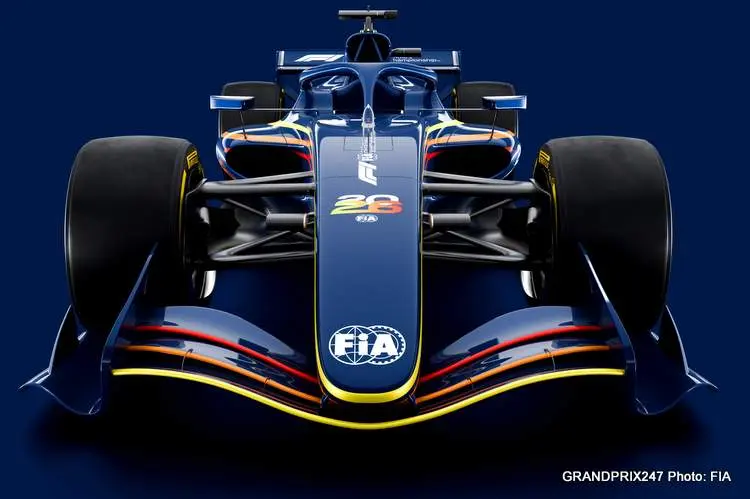
Many Formula 1 fans and pundits are voicing concerns over the 2026 regulations, arguing that the sport risks undoing the competitive balance achieved by the end of 2024.
The final races of that Formula 1 season saw a tightly packed field, thrilling on-track battles, and uncertainty over race winners, all contributing to a more dynamic and engaging championship.
Some fear that the upcoming 2026 regulations, which will introduce smaller, lighter cars and heavily revised power units, could lead to one team exploiting the rules better than the rest and dominating the field. This pattern has been a recurring theme in Formula 1 history. Mercedes-Benz set the benchmark in the turbo-hybrid era starting in 2014, while Red Bull’s mastery of the 2022 regulations yielded a similarly dominant run.
Concerns over the performance of the 2026 cars also linger, with critics suggesting they may be too slow compared to the current generation.
However, Formula 1 CEO Stefano Domenicali pushed back on these criticisms, stating that such scepticism is typical whenever new regulations are introduced. Sentiments shared by Nikolas Tombazis, the FIA’s Technical Director for single-seaters.
Domenicali: I expect the field to spread out again at first

Speaking to AutoSprint, Domenicali explained: “When new regulations come, it’s always like that. But I won’t forget how the teams complained when the 2022 regulations were introduced, saying the single-seaters would be six seconds slower.”
Domenicali added that the sport’s ability to foster innovation and close competition has been demonstrated repeatedly: “We’ve seen the field coming together in recent years. In 2026, we’ll start again with fresh rules, which means a lot of challenges and lots of things we can work on. I expect the field to spread out again at first, but then everyone will come together again—the cars are designed for that.”
The Formula 1 boss also emphasised the importance of focusing on the broader vision rather than isolated concerns: “I’m not worried about that. We have to look at the big picture, not individual details. Yes, problems will certainly arise, but new designers will also join the sport, helped by these technical changes. We want to maintain the evolutionary and positive tension for competitors who see our Formula 1 as a development platform for the future.”
Nikolas Tombazis, the FIA’s Technical Director for single-seaters, also defended the 2026 regulations, highlighting the emphasis on maintaining Formula 1’s DNA while incorporating cutting-edge technology.
Tombazis: 2026 Formula 1 Cars Designed for Speed, Sustainability, and Competition

Tombazis said: “With these regulations, the FIA has tried to develop a new generation of cars that are fully in keeping with the DNA of Formula 1—cars that are light, extremely fast and agile, but also remain at the cutting edge of technology. To achieve this, we’ve worked towards a concept that focuses on a redesigned drive unit with a more even distribution between the power of the combustion engine and the electric power.”
Tombazis revealed several key innovations aimed at improving the sport: “In terms of the chassis, we’ve been able to reduce the weight of the car by 30 kg, resulting in a much more dynamic car. We’re also introducing two exciting new features—active aerodynamics to achieve very low drag on the straights and the Manual Override system, which provides battery power to drivers when they are close enough to the car in front.”
He added that the updated power units, featuring a tripling of electric output and fully sustainable fuels, represent a leap forward in sustainability while enhancing the show: “The new regulations result in lighter, more powerful and more skill-focused cars. They are designed to enable closer duels on track, increase competition between teams, and improve the show. In addition, we’ve increased the electric component of the power unit and opted for more efficient cars overall to make the future of the sport even more sustainable.”
While some scepticism remains about how quickly the grid will adapt to the new regulations, Domenicali and Tombazis are confident the changes will ultimately benefit the sport, striking a balance between performance, competition, and sustainability.
Technical Overhaul: Key Features of 2026 Cars

The 2026 regulations are transformative, with significant changes across dimensions, aerodynamics, and power units:
- Smaller Dimensions: The wheelbase will reduce to 3,400mm (from 3,600mm), the width to 1,900mm (from 2,000mm), and the minimum weight to 768kg – 30kg lighter than 2022 cars.
- Reduced Drag and Downforce: Drag decreases by 55%, and downforce is reduced by 30%.
- Active Aerodynamics: Movable front and rear wings will optimise drag on straights, with an X-mode configuration maximising top speed.
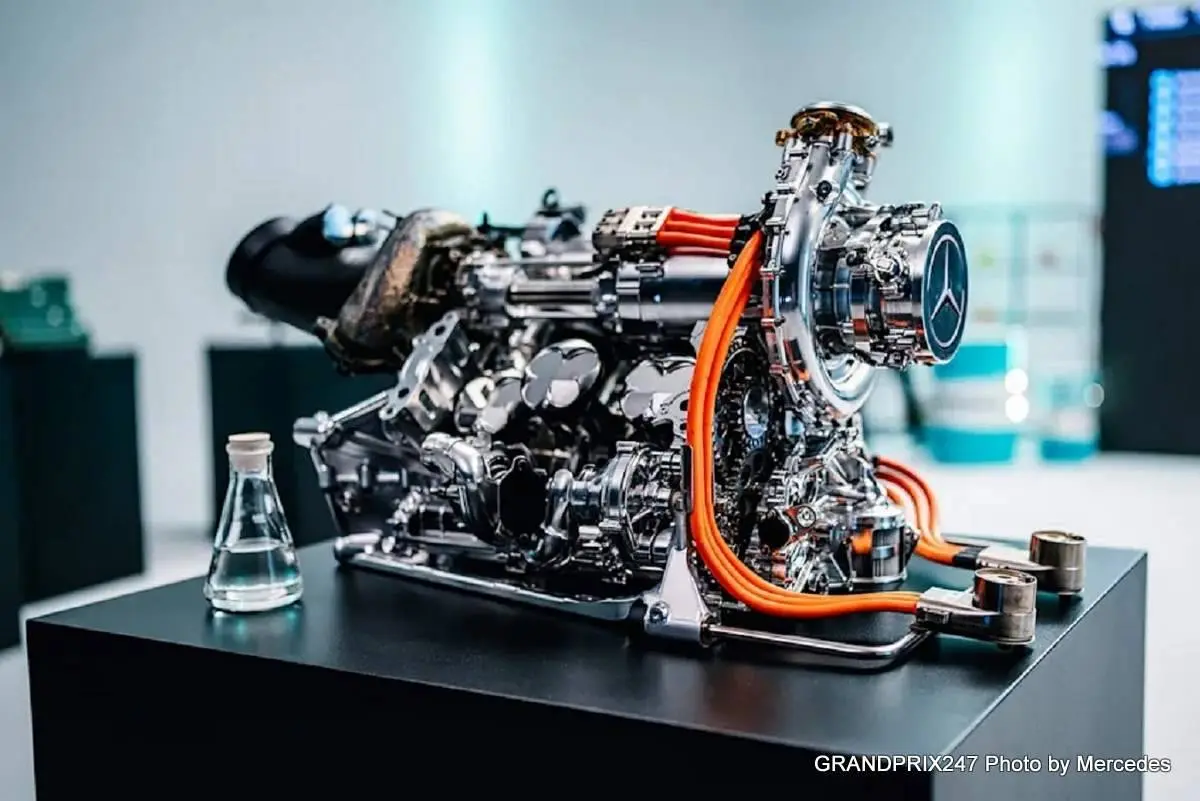
- Enhanced Hybrid Power Units: Combustion engine power will drop to 540hp, while battery power triples to 480hp, delivering over 1,000hp in total.
- Sustainable Fuel: Fully sustainable fuel will be mandatory, in line with the FIA’s carbon-neutral goals for 2030.
The regulations also simplify certain aspects, such as removing the MGU-H and doubling the energy recovery limit during braking to 8.5MJ per lap.
These changes have already attracted new manufacturers, including Audi, Cadillac, and Red Bull Ford Powertrains, alongside commitments from Ferrari, Mercedes, Honda, and Alpine.
Latest News


Loading