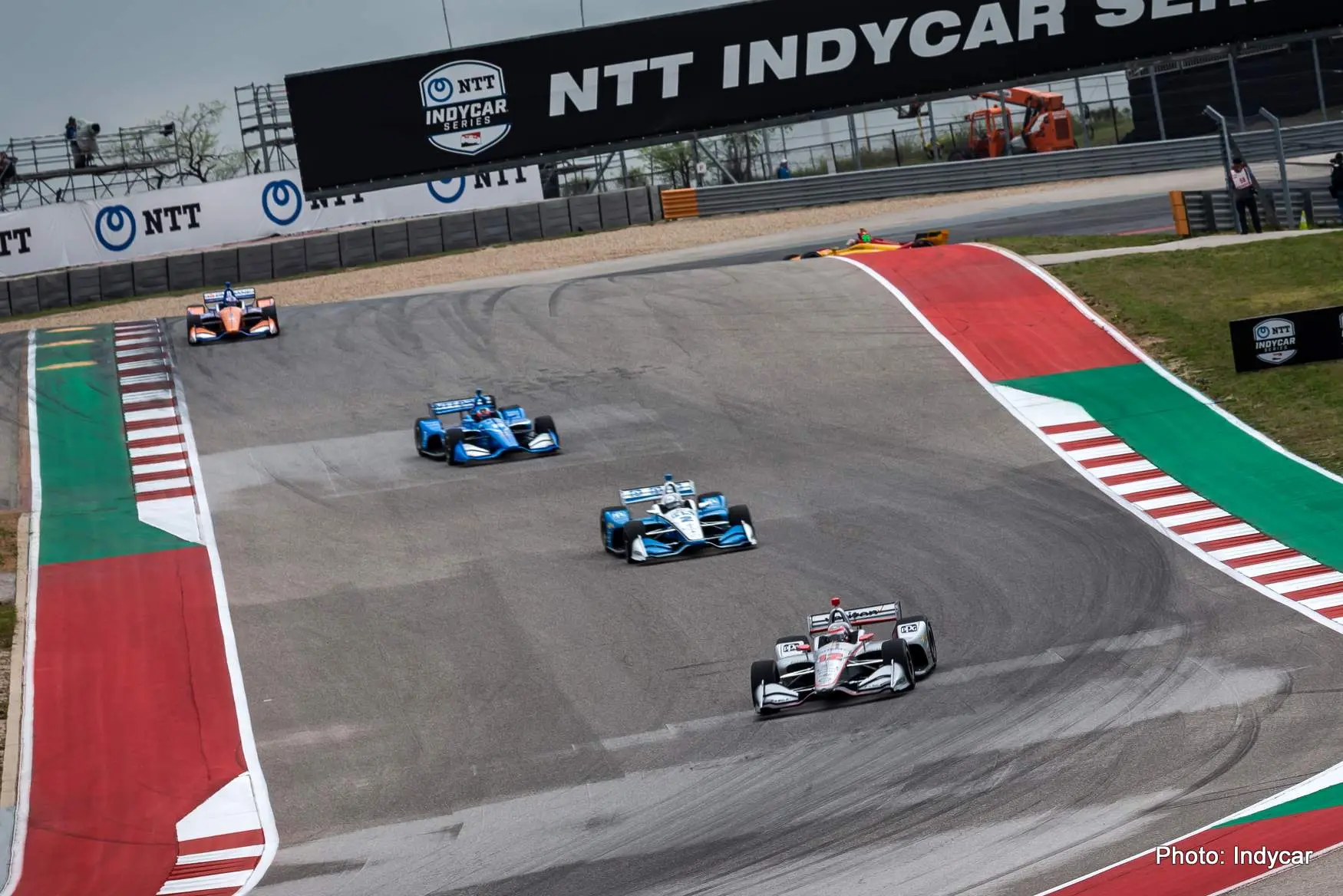
The gulf in performance between Formula 1 and Indycar was something of an eye-opener, as for the first time in decades back-to-back comparisons could be made as the premier U.S. open-wheel category made its debut at the Circuit of the Americas.
F1 has been hosted at the venue since 2012, but only this year has the U.S. premier open-wheel Indycar series visited Austin, Texas and the odds bonus offered has been a surprise.
On Saturday, Will Power topped qualifying at the inaugural IndyCar Classic. The Team Penske driver claiming his second pole position in two races this season and 56th of his career with a lap of 1:46.0177 seconds.
In comparison, Mercedes driver Lewis Hamilton powered to the top spot on the grid for last year's Grand Prix, in a best time of 1:32.237 on the same track configuration and in dry conditions.
That's well over 13-seconds per lap, which works out to an Indycar being lapped every seven or eight laps if they were to be in the same race as an F1.
The best F1 'B-Team' last year was Esteban Ocon whose lap of 1:34.145, in the Force India was 1.9 seconds shy of the pole-winning time but still almost 12 seconds faster than Indycar top time yesterday.
The vast difference in lap times is a result of Indycar going the one-make series route with radically different operating budgets to those in the top flight. You could probably field the entire Indycar grid with the money Mercedes or Ferrari or Red Bull spend on one season
An Indycar team can operate effectively in the $25-million to $40-million range, while the top F1 teams are spending around half a billion dollars, with the 'minnows' forking out about 50% of that.
In other words, the performance gap between F1 to Indycar is worth around $35-million per second, per lap difference!
It will be interesting to compare crowd attendance on race day, relative to the Grand Prix. Watch this space...
Latest News

Loading