Verstappen and Norris lead the Rise of a New Era in Formula 1
F1 NewsWednesday, 23 July 2025 at 03:43
For years, Formula 1 was defined by the dominance of iconic names — Lewis Hamilton’s relentless precision, Sebastian Vettel’s early reign, and Fernando Alonso’s fearless grit.
These titans carved their legacies in an era shaped by raw horsepower, seasoned rivalries, and a more traditional motorsport ethos. But quietly, almost imperceptibly at first, a shift began. It didn’t arrive with a bang, but rather with the growing roar of a new generation.
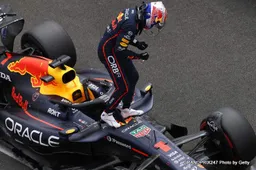
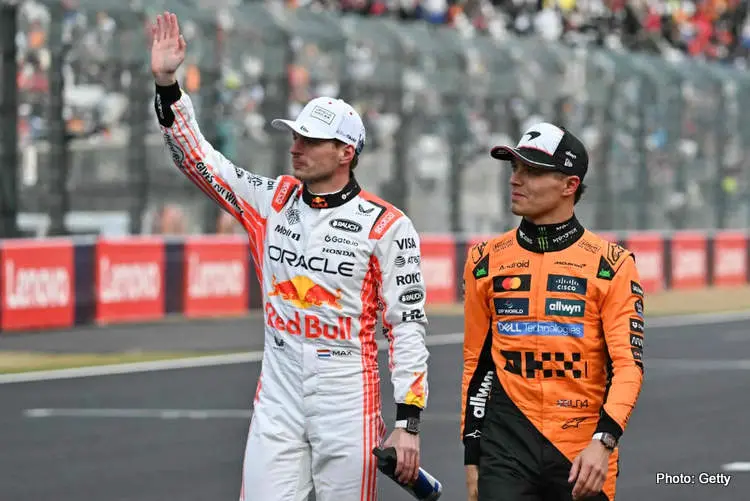
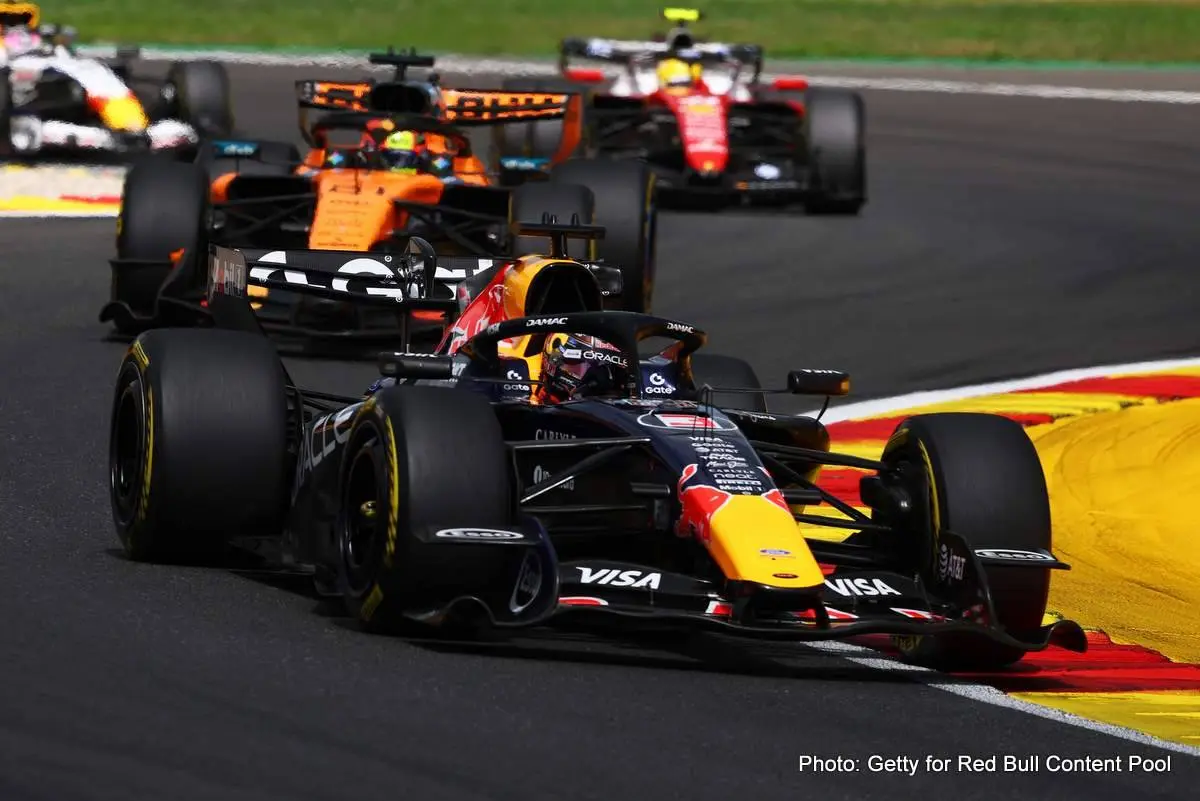
Today, that change is unmistakable. Max Verstappen isn’t just leading the grid — he’s reshaping the blueprint of what it means to be a modern F1 champion. Alongside him, Lando Norris has emerged as both a fan favorite and a fierce competitor, carrying McLaren's legacy into an age driven as much by personality and precision as by raw speed.
This isn't just a battle for podiums; it's a clash of philosophies, mindsets, and eras.
As the veterans slowly step aside and fresh faces seize the spotlight, Formula 1 finds itself at a thrilling crossroads — one where youth, innovation, and unfiltered ambition are rewriting the rules of the race.
Max Verstappen: The Trailblazer of the New Era

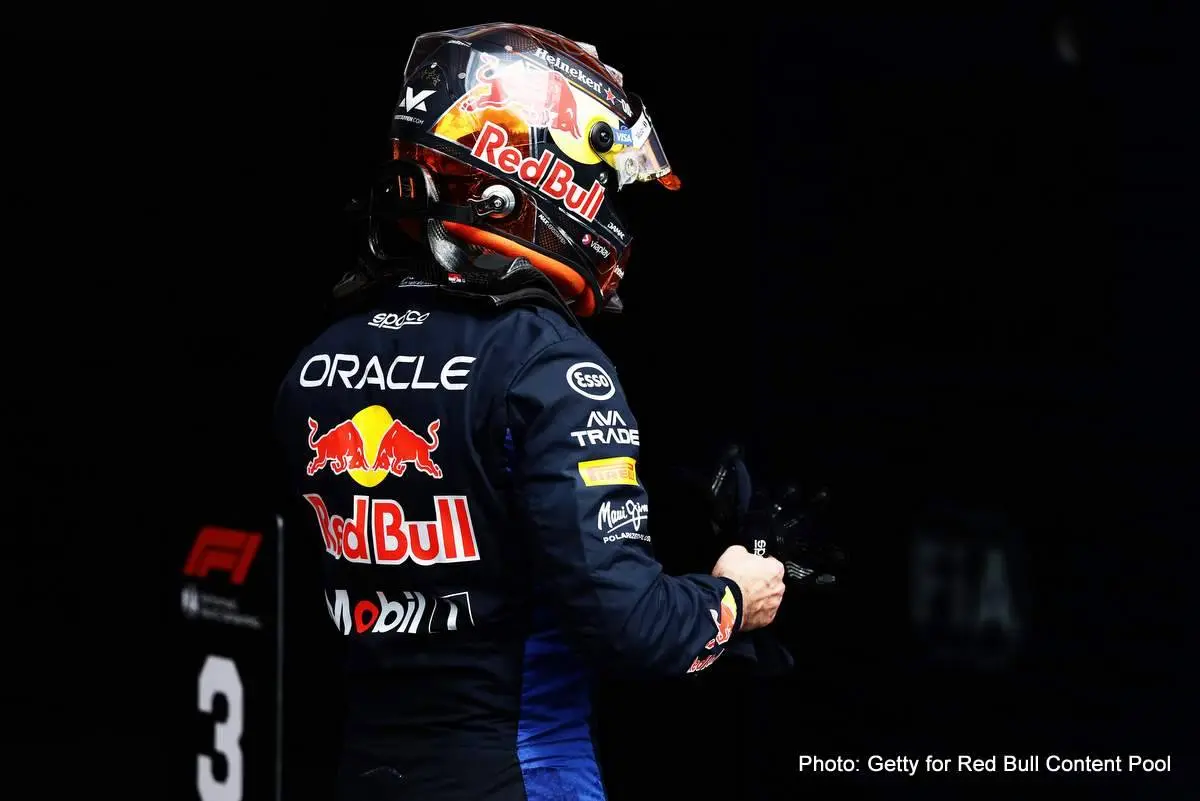
In a sport where fractions of a second define careers, Max Verstappen has carved his legacy with bold, uncompromising brilliance. He’s not just winning races — he’s redefining how modern champions are made. At just 17 years old, Verstappen made his F1 debut, and by 18, he was a Grand Prix winner. But it wasn’t just the records that caught the world’s attention — it was his attitude.
Fearless in wheel-to-wheel combat, strategic beyond his years, and ruthlessly consistent, Verstappen became the face of a Formula 1 evolution. He ushered in an era where precision driving is complemented by psychological resilience and deep technical synergy with the car. His partnership with Red Bull Racing has produced not just championships, but a new standard of dominance in the turbo-hybrid era.
What makes Verstappen particularly compelling is his ability to stay grounded amidst the chaos. While some crack under pressure, Max thrives in it. Whether he's dueling legends like Hamilton or fending off rising stars like Norris and Leclerc, he approaches each race with a single, unshakable goal: to win — on his terms.
MelBet agents especially value Verstappen’s presence on the track, as his participation consistently drives a surge in interest around race-day betting. During major events, particularly when live broadcasts attract millions of viewers through MelBet’s apps, these agents see a noticeable spike in deposit requests — a testament to Verstappen’s influence both on and off the track.
As the grid becomes younger and hungrier, Verstappen remains a step ahead — not just the leader of the pack, but the standard everyone else is chasing. In this new era of Formula 1, Max isn’t just a champion. He’s the blueprint.
Lando Norris and the Rise of the Underdogs

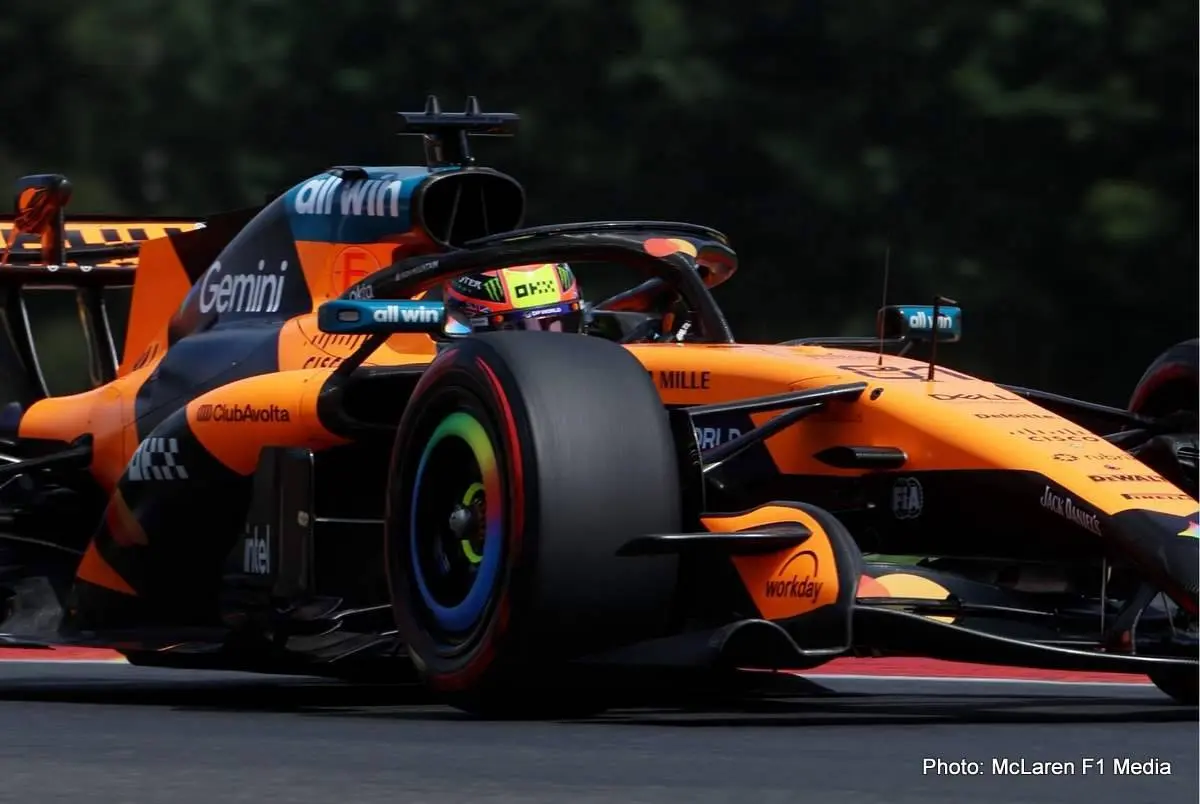
In the glitzy world of Formula 1, where superteams often dictate the narrative, Lando Norris has become a symbol of resistance — the underdog who refuses to be overlooked. While others were handed front-running cars from day one, Norris climbed the ranks through grit, charisma, and an unwavering belief in McLaren’s long-term vision.
When Norris entered Formula 1 in 2019, few imagined he would evolve into one of the sport’s most complete drivers. His early seasons were marked by flashes of brilliance, but it was his persistence through midfield struggles that won fans over. Each point finish, each defensive masterclass, each radio quip — they all added to the mythos of a driver growing before our eyes.
And now, in 2025, he’s no longer just “the likable Brit with a Twitch channel.” He’s a true contender — podium regular, team leader, and arguably the heart of a resurgent McLaren. Norris’s breakthrough win silenced doubters and proved that loyalty and long-term investment in talent can still pay off in an era obsessed with instant results.
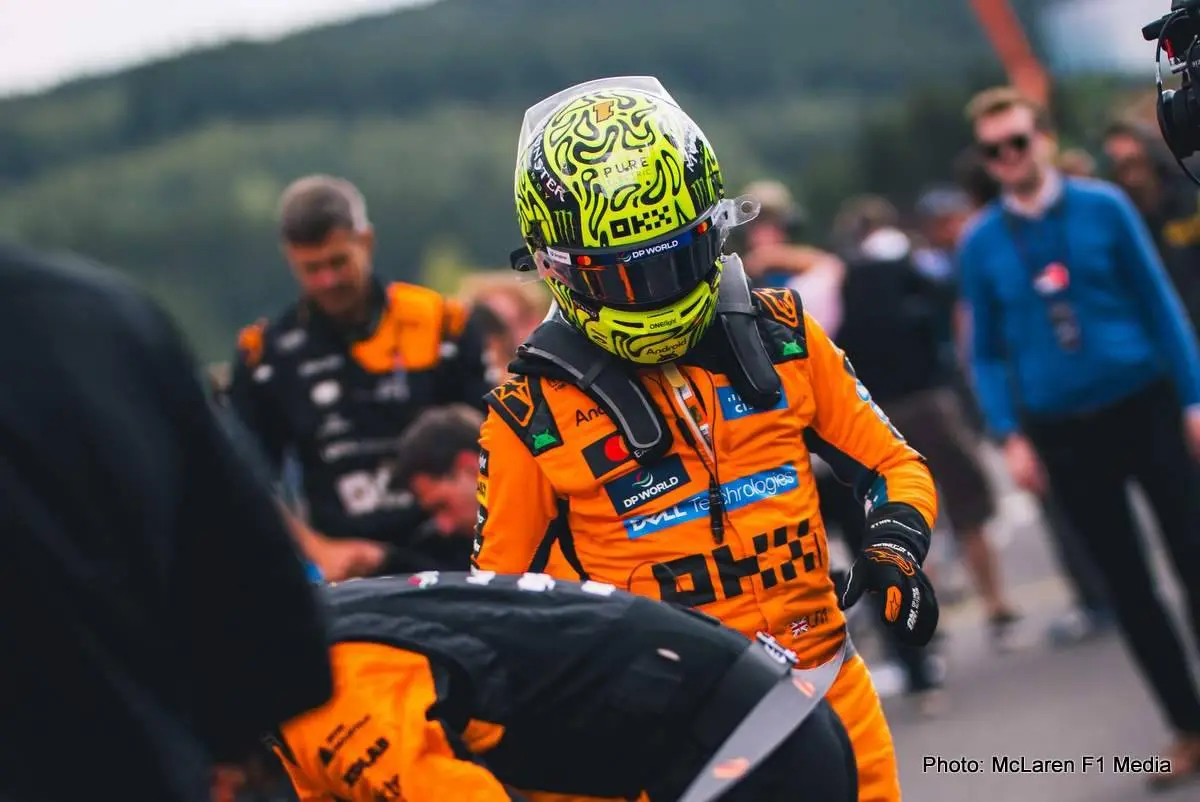
Off the track, Norris connects with fans like few others. More than just a driver, he’s become a cultural touchstone — someone who speaks the language of the digital generation.
Norris demystifying the sport

His influence extends far beyond the cockpit, fueling a growing interest in the analytical side of racing: from strategy breakdowns to real-time predictions.
This rising engagement has led many fans to seek deeper insights into the sport — especially those placing bets on Formula 1 events. Resources like https://guidebook.melbet.com/ have become essential tools for such bettors.
The site offers practical betting tips and tricks, helping users better understand how team decisions, driver form, and race conditions influence outcomes. Regular users of MelBet often consult this guidebook before placing their wagers, turning raw fandom into informed decision-making.
Through figures like Norris and platforms that demystify the sport, Formula 1 is evolving — becoming more interactive, data-driven, and accessible than ever.
What makes Norris’s story even more compelling is that he never relied on legacy or luck. His rise is a testament to modern underdogs: drivers who challenge giants not with budget or politics, but with talent, timing, and tenacity.
In many ways, Lando Norris isn’t just racing for trophies — he’s racing for a new definition of what success in Formula 1 looks like.
Comparing Generations: Style, Pressure, and Performance

Formula 1 has always been a battlefield of talent, but every generation rewrites the rules of engagement. The drivers of the past two decades — think Schumacher, Alonso, Hamilton — were gladiators forged in an era of roaring V10s, physical brutality, and raw mechanical grip.
Today’s stars — Verstappen, Norris, Leclerc, and Russell — are mastering a different beast: data-driven, media-heavy, and ruthlessly competitive from the very first lap. The contrast is stark.
In the early 2000s, races were won with instinct and experience. Track testing was endless, driver feedback shaped the car, and mental focus was sharpened in private, away from the spotlight. Drivers earned their stripes over years, and rookies were seldom thrown straight into top-tier seats. There was pressure, yes — but it was mostly internal.
Now? The pressure begins before a driver even hits the grid

Social media is watching. Simulators have replaced testing. Sponsorship demands a marketable personality, not just a fast driver. Modern F1 athletes must balance engineering briefings with branding meetings, all while navigating the psychological strain of 24/7 scrutiny.
Stylistically, we also see a shift. The old guard relied on tire management, racecraft, and opportunism — think Kimi Räikkönen conserving fuel while hunting podiums, or Alonso dragging underperforming cars into miracles. Today’s stars are surgically precise. Verstappen drives with millimeter perfection. Norris calculates risk like a chess master. Strategy is no longer just a team exercise — it’s embedded in every steering input.
Yet what unites both generations is the desire to dominate — just through different means. While yesteryear’s heroes left their legacy through dynasties, today’s drivers are building theirs in a much faster, more global, and commercially complex environment.
Formula 1 hasn’t softened — it’s evolved. And in comparing generations, one truth remains: no matter the era, the best drivers adapt, endure, and find ways to win.
The Future of Formula 1: What Comes Next?

Formula 1 has never been a sport content with standing still. Every era is defined by reinvention — from turbocharged beasts to hybrid revolution, from manual gearboxes to AI-powered strategy. Now, as the sport barrels toward the end of the 2020s, the question isn’t whether F1 will change — it’s how radically it will.
At the core of this future lies sustainability. With net-zero carbon targets on the horizon and biofuels entering the paddock, Formula 1 is trying to shed its image as a fuel-burning colossus.
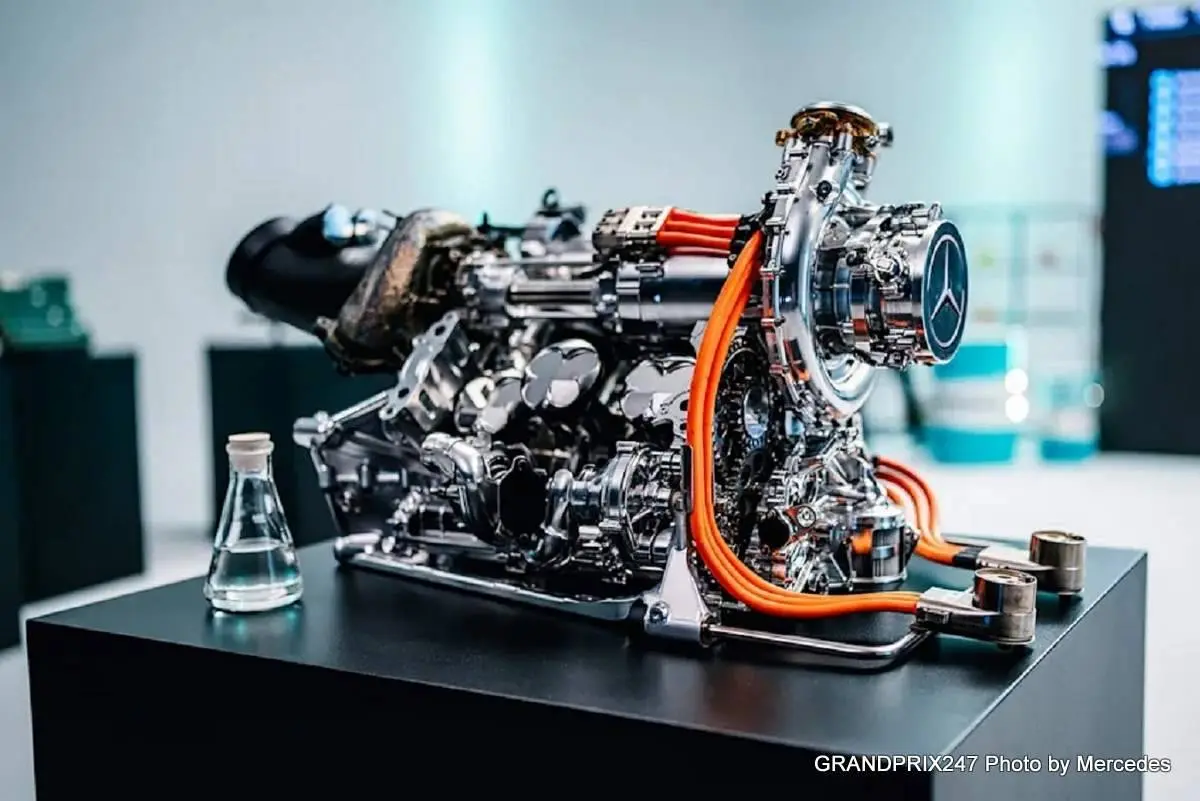
The 2026 regulations promise lighter cars, more electric power, and new engine manufacturers — including Audi — reshuffling the competitive deck. This could mean the return of manufacturer wars and a more level playing field, giving rise to unexpected challengers.
Technologically, the sport is inching closer to becoming a real-time tech arms race. Machine learning, predictive modeling, and live data processing are already embedded in team strategies.
But we’re heading toward an era where cars may begin adapting on the fly, with algorithms learning track conditions faster than any human engineer can respond. Strategy calls may soon be driven as much by AI as by instinct.
The Formula 1 calendar is packed

On the human side, the grid is evolving too. A new generation of drivers — nurtured on simulators, analytics, and global fanbases — is taking over. Gone are the days when charisma alone could carry a career.
The modern F1 driver is part athlete, part ambassador, and part content creator. Expect the next wave of stars to be even more media-savvy, digitally fluent, and hyper-specialized in telemetry and feedback.
Meanwhile, the calendar continues to stretch. With races in Vegas, Miami, and possibly even new markets like India or Africa, F1’s future is aggressively global. But with expansion comes growing pains: concerns over burnout, environmental impact, and dilution of heritage tracks are already sparking debate among purists.
Still, if there’s one constant in Formula 1’s future, it’s the pursuit of speed — not just on track, but in innovation, growth, and reinvention. The next chapter promises tighter competition, bolder personalities, smarter machines, and a sport that feels less like a race and more like a glimpse into tomorrow.
Latest News
Loading