Betting on the Fast Lane: How Formula 1 Manages Financial Risks
F1 NewsTuesday, 25 March 2025 at 04:01

Formula 1 is a sport defined by speed, precision, and astronomical costs. Managing financial risks in this fast-paced world requires a blend of strategic foresight, meticulous planning, and adaptability.
For Formula 1 teams, the challenge is not just to win races but to ensure the books balance as well. Competing in Formula 1 comes with a hefty price tag. Building a car capable of battling at the front can easily run teams over £100 million each year.
That figure doesn’t even cover everything, as extra costs pile up for things like research, development, and getting the team around the world. With up to 24 races in a season, moving staff and gear across continents is no small feat.
There are examples of teams that couldn’t keep up financially. Take Caterham and Marussia, both of which folded in 2014 after struggling to make ends meet. Their downfall highlights what happens when the numbers don’t add up.
Now, with a cost cap in place, set at £108 million for 2025, there’s an effort to make things fairer. Even so, teams still have to figure out how to stretch every pound without sacrificing speed.
The Cost Cap

Introduced in 2021, the cost cap limits spending on car development, excluding driver salaries, marketing, and certain operational costs. For wealthier teams, this has meant scaling back extravagant projects, while midfield teams like Williams or Alpine see it as an opportunity to close the gap.
Teams employ financial analysts and accountants to monitor spending in real time. Every component upgrade or wind tunnel test must be weighed against its cost and potential performance gain. The cap has shifted the focus from limitless spending to efficiency, compelling engineers and strategists to collaborate closely with finance departments.
It’s a delicate balance. Invest too little, and the car languishes at the back. Overspend, and the penalties could undo a season’s work. With the financial stakes so high, now is the time to place a bet. To explore your best options, click here for insights into payment methods tied to the sport.
Sponsorship and Revenue Streams

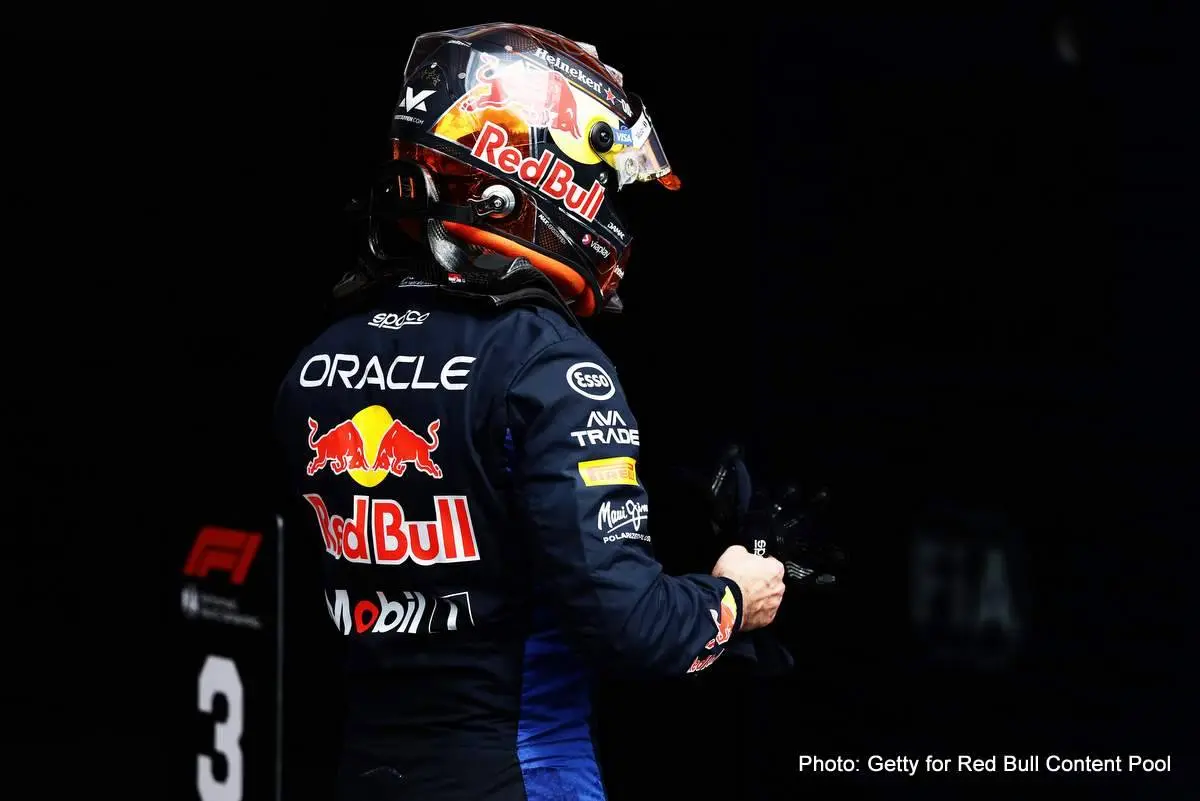
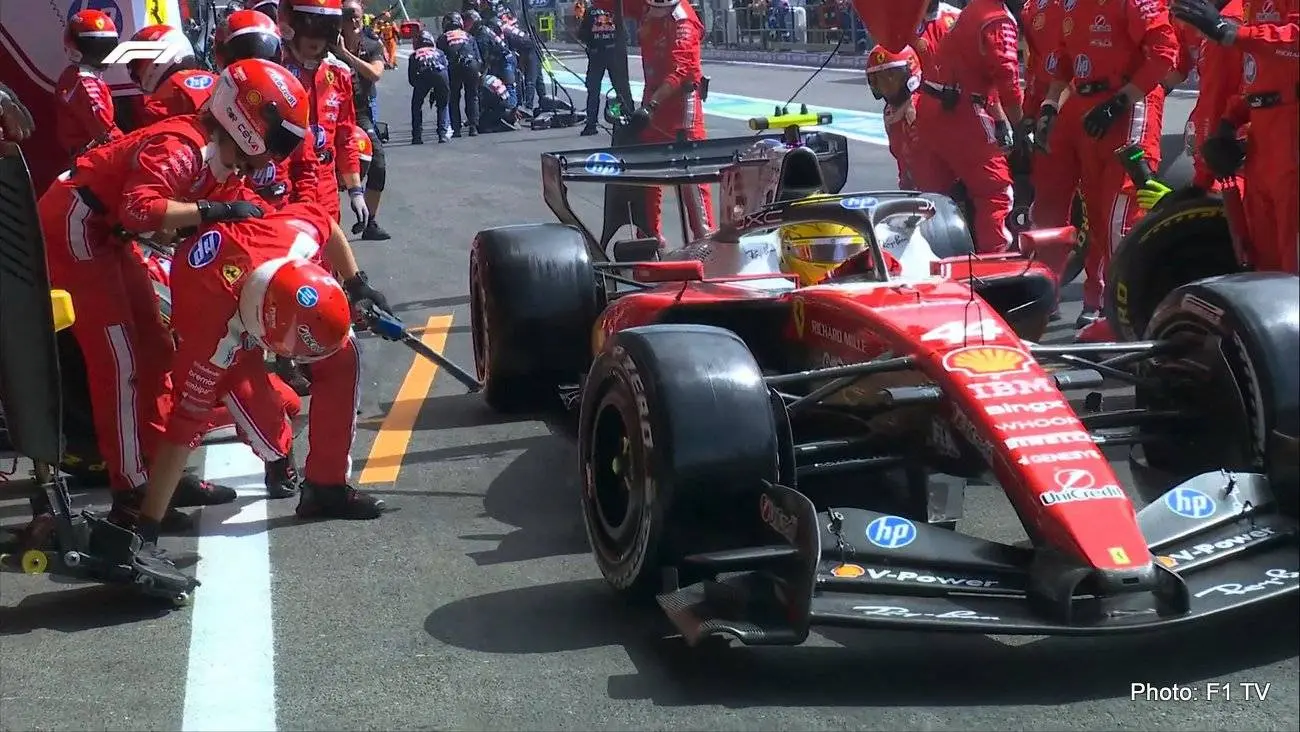
Sponsorship remains crucial for Formula 1 teams. Logos splashed across cars, driver helmets, and team kits reflect partnerships that can inject tens of millions into budgets. For instance, Ferrari’s long-standing ties with Shell or McLaren’s deals with tech firms like Dell illustrate how critical these relationships are. Yet, securing and retaining sponsors hinges on performance and visibility. Teams must deliver results to justify the investment.
Beyond sponsorship, prize money from the Formula 1 organisation offers another revenue pillar. Distributed based on championship standings, this pot, estimated at £1 billion annually across all teams, rewards success but leaves backmarkers scrambling.
Merchandise sales, licensing deals, and even hosting private track days for wealthy clients supplement income, particularly for teams with iconic brands like McLaren or Ferrari.
Hedging Against Uncertainty

The global nature of Formula 1 exposes teams to economic volatility. Currency fluctuations, rising fuel costs, and geopolitical tensions can inflate expenses overnight. To mitigate this, many teams use financial hedging strategies, locking in exchange rates or fuel prices months in advance.
Moreover, the sport’s growing popularity, fuelled by Netflix’s Drive to Survive, has attracted new investors. American team Haas, backed by Gene Haas’s industrial empire, exemplifies how external capital can stabilise a team’s finances. Yet, reliance on a single backer carries its own risks. If the money dries up, so does the team’s future.
In Formula 1, financial risk management is as critical as aerodynamics or pit-stop strategy. The cost cap has introduced discipline, but the sport’s inherent unpredictability, crashes, regulation changes, or a sponsor pulling out keeps teams on edge.
Success requires not just a fast car but a robust financial engine, one that can weather the twists and turns of a gruelling season. For these teams, the race isn’t just against rivals. It’s against the balance sheet itself.
Latest News





Loading