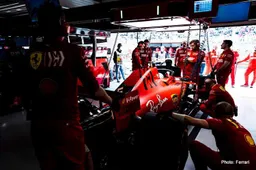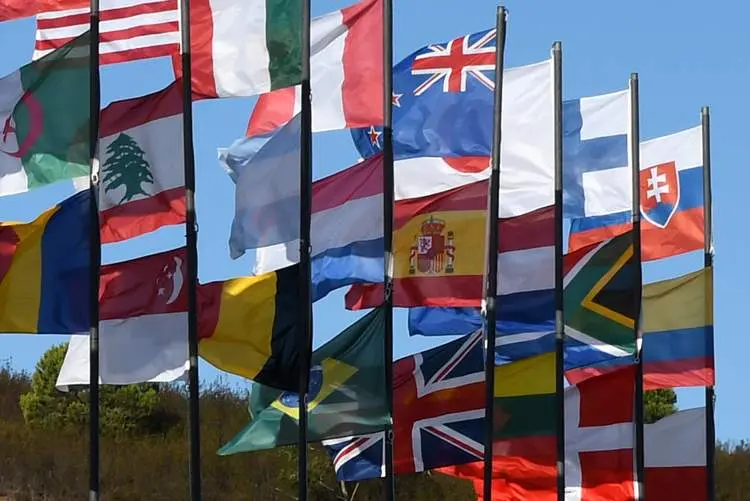
The 2020 Formula 1 season will be the longest in the sport's history, 22-races which is sure to stress an already stretched paddock even further and will mean even more expenditure at a time when cutting costs is paramount for the health of motorsport's top flight.
Like many things, the issue has split F1 into two camps those applauding the calendar expansion and those lamenting the increase in races.
The latter creates well-reported problems with regards to logistics and staffing because today's teams have become behemoths of overindulgence with armies required to run everything from catering through to designing the kit that actually does the racing.
The strain on resources are obvious but Sky Italia pundit Jacques Villeneuve has again come out of left-field by declaring that too much F1 is boring as FIA confirmed an unprecedented 22-race calendar for 2020 featuring new races in Vietnam and Zandvoort.
The 1997 F1 World Champion told Championat, "The calendar is becoming too long and boring. For fans it would be better if there were fewer races and more tests.
"The new owners of the championship see more races as more income, and that's all that excites them. But I don't think it really benefits Formula 1. The calendar is getting longer, and the audience is getting more bored," added Villeneuve.
Deposed F1 supremo Bernie Ecclestone, who was instrumental in increasing the calendar from the 16-races it was for many years, has changed his tune.
With regard to the 22-race calendar, he told Auto Motor und Sport in a recent interview, "Definitely too may, 16 races are enough. The more races there are, the more the product is devalued. We have already experienced this supersaturation in tennis. There are 100 tournaments..."
More races mean more money for Liberty Media who are reportedly intent on upping the F1 championship season to 24 or 25 races in the future. The income from the extra races filters down to the teams too, which is why they buy into the concept of more races.
But Ecclestone counters, "If there are only 16 races, the organizers are obliged to pay more accordingly. And they will do it because their event is all the more valuable due to the exclusivity of the Grands Prix."
For publishers and media in general longer seasons are great for traffic as the news ticks along regularly, while the sport's stakeholders see the expansion as part of growing the global footprint of the sport.
Earlier this year F1 chief Chase Carey said, "For us, it's about quality over quantity. But we have talked about another race in the US and we would like to return to Africa.
"There are 21 races now, but if we find the right places, then it makes sense to add a few more. I think there’s a limit to how much, but I think we do expect it to go up marginally.
“I guess first, we do view this as an area of revenue growth for us. To put it simply, it’s not steady, not consistent with every event. Some events are different. In some places the events are more mature. But we do expect and do look for this to probably increasingly be an area of opportunity for us," concluded Carey.
FIA President Jean Todt is clearly on the same page and made it clear, “There is no maximum. For me it’s not a question of maximum for me what does matter is not the quantity of venues but the quality of venues.”
F1 will obviously do what they want to do and hopefully, the goal of making money and thus improving the plight of some of the pitiful teams on the grid will indeed turn and flourish.
But at the same time the do risk oversaturation and devaluing what F1 is all about. It is a catch-22 which will be decided by those that need the cash flow that extra races will bring.
Big Question: How many races should an F1 season be?
Latest News

Loading