Apple Secure United States Formula 1 Rights: Digital Paywall Era
F1 NewsFriday, 17 October 2025 at 00:19
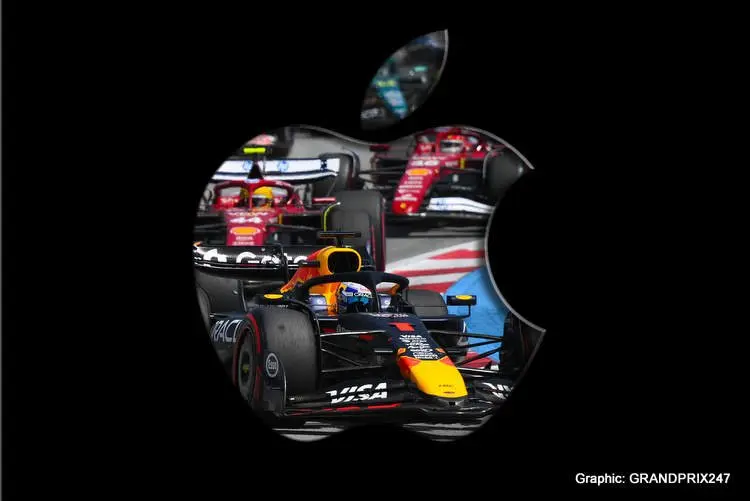
Formula 1’s rapid growth in the United States may soon collide with a new kind of barrier, as the sport booms in the country and set for more growth as Ford and Cadillac enter the picture in 2026.
Reports indicate that Apple is on the verge of signing a multi-year, exclusive Formula 1 broadcast deal worth around 140 million dollars per season, with an announcement expected during the Austin Grand Prix weekend. The partnership would mark the sport’s first fully streaming-exclusive, paywalled arrangement in America.
It comes at a moment when F1’s U.S. audience is expanding faster than ever, with Austin at the centre of that boom, making it a fitting stage for a deal that could reshape how American fans watch the sport. It could bring new technology and production quality, but also limit who gets to watch.
How Fans are Changing the Way They Connect

This move toward digital access reflects how Formula 1 fans are engaging in new ways around the world. In Miami, supporters combine live trackside viewing with rooftop screenings and data-driven streaming, turning race weekends into immersive social events.
As technology and sport continue to overlap, fans are no longer content to simply watch. In Austin, enthusiasts are exploring legal sports betting in Texas, using interactive wagering platforms as another way to follow race data and driver performance when local broadcasts are limited.
With a wide variety of platforms now catering to users on phones and tablets, fans can switch between viewing, analysis, and prediction without missing a moment of the action. Across the United Kingdom, Silverstone continues to lead the charge in fan innovation, with simulator zones and virtual leaderboards that let spectators mirror every lap as it happens.
What does it mean for F1 fans in America?

These changes in fan behaviour show why Formula 1’s next move makes sense. As audiences blend entertainment with data and personal choice, a single streaming partner like Apple could deliver the seamless experience many fans expect. Yet, the convenience comes with a caveat. Enhanced access for some will likely mean exclusion for others.
Apple’s reported deal is expected to replace ESPN’s existing contract, worth an estimated 70 to 90 million dollars per year between 2023 and 2025. Apple’s proposed 140 million per season would more than double that figure. What remains unclear is whether Apple’s offer is a flat rights fee or a hybrid structure that includes production costs, which would affect how Formula 1’s media arm allocates resources.
A key uncertainty is how exclusivity will affect Formula 1 TV, the championship’s own streaming service. Formula 1 TV offers dedicated commentary, full race archives, and live telemetry for about 80 dollars per year.
These features are valued by fans who prefer greater control over their viewing experience. If Apple demands U.S. exclusivity that removes Formula 1 TV from the region, it could mean the loss of the sport’s most detailed and interactive viewing option for American audiences.
What does it mean for Formula 1 teams?

Apple’s ecosystem may offer better image quality and streaming reliability, but Apple TV+ is locked behind a subscription. Accessibility, therefore, becomes the trade-off. The digital era of Formula 1 might deliver the best viewing experience yet, but only for those willing to pay for it.
For teams and sponsors, exclusivity offers benefits. A single digital broadcaster provides consistent viewer data, integrated merchandising, and targeted advertising. Apple’s closed ecosystem gives it strong control over data and distribution, shaping how teams connect with audiences without controlling the sport’s wider narrative.
Across Europe, region-exclusive partnerships are already the standard, with Sky Sports in the United Kingdom, Canal+ in France, and Viaplay in the Nordic region. Apple’s potential deal would extend this approach, embedding Formula 1 within a private technology platform rather than a traditional network.
If confirmed, Apple’s entry into Formula 1 broadcasting will mark a pivotal point where accessibility competes directly with exclusivity. For subscribers, the digital upgrades may be impressive. For casual, paywall-averse fans, the cost could mean watching from the sidelines. In the race to modernise, Formula 1 may discover that connection and convenience do not always cross the same finish line.
Latest News






Loading