A brief History and Inside Look at Formula 1 for rookie fans
F1 NewsThursday, 28 November 2024 at 01:53

Formula 1, for the uninitiated, is also known as F1, and referred to the pinnacle of motorsport where the best drivers and best teams battle for top honours.
With a perfect blend of online technologies (including banger casino free spins where you can watch and bet on F1), dirty rivalries and incredible speed, few would dare to contest that the ultimate racing sport in the world is F1.
In this report the for F1 rookies shall be walked through the various aspects of racing that are often taken for granted by the audience watching the race, so sit back and relax as the author of this paper delves into the racing scenes history, the technology of the F1 cars, the design heroes that are the drivers, and the specific lifestyle of the sport that encompasses it all.
The History of Formula 1: F1
Historical Evolution Of Grand Prix Racing
The history of Formula 1 dates back to the craze for automobiles in the early twenty century, the craze intensified further when people in France witnessed the very first Grand Prix races. These competitions were the forefathers for the eventually resulting Formula 1 World Championship. The word “Formula” refers to a type of rule that all participants, along with the participants’ vehicles, must follow thus ensuring a level playing field for competition.
The Inaugural World Championship Formula 1
The inaugural World Championship in Formula One Racing was held in 1950 with the first race being held at the Silverstone Circuit winning the chapter for Formula 1 racing.
This was the new look for the competition as drivers from different parts of the globe battled for the title. Despite this, F1 has evolved into a professional sport with countries in 5 different continents organizing races and the interest from the citizens being overwhelming.
The Aerodynamics and Knowledge Behind Successful F1 Cars: Captivating the World of Formula 1 Racing and the Thrill of Grand Prix Motorsport.
F1 Cars Over 220 mph
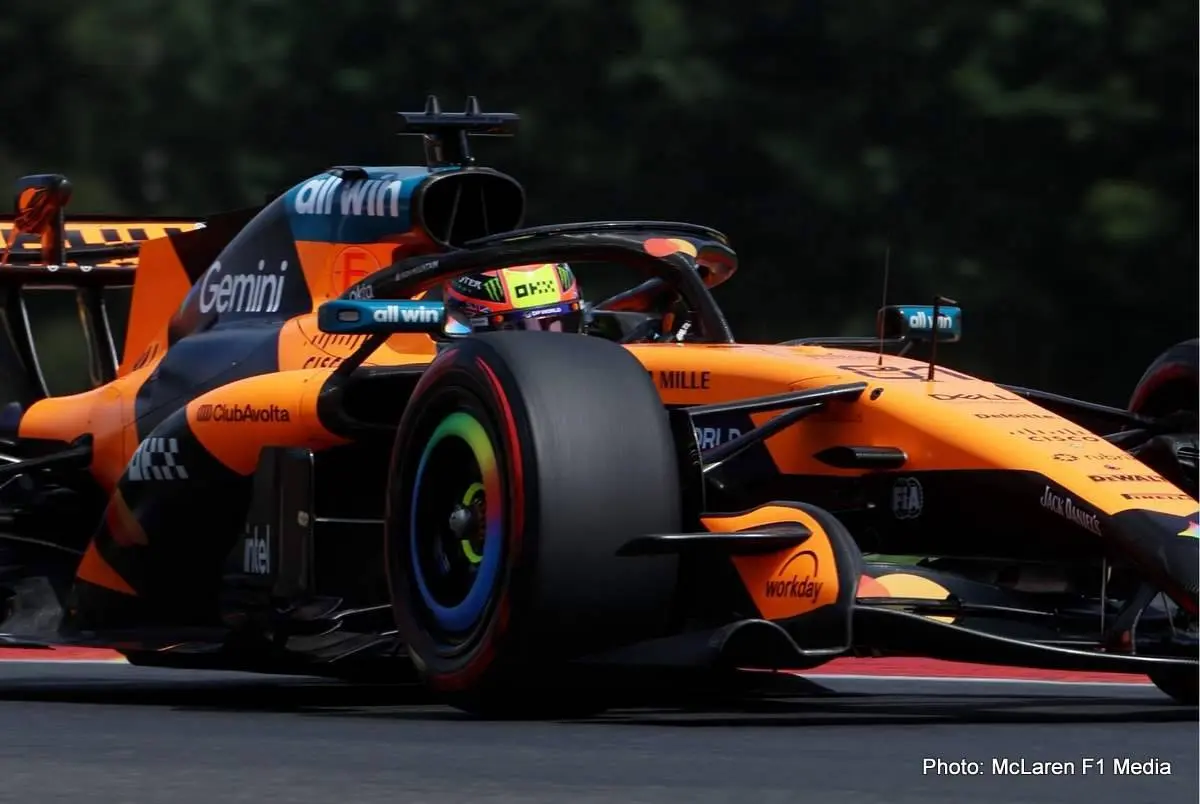
One feature that stood out in Formula 1 was the launch of the cars with much responsibility on their construction. With the launch of the F1 cars their limits have been able to reach speeds well above 200 mph. Building such cars requires a lot of innovations in such fields as aerodynamics, materials science, and engine technology. There is always someone willing to lose the technology race, every single team spends up to $100 million a year on building a car that will allow them to win.
Aerodynamics and Downforce
One cannot think of an F1 car without imagining the advanced aerodynamics to be the reason for the performance enhancement. The car’s design allows for greater traction when cornering due to the presence of downforce. Slanted front wings and oversized slotted rear wings help to produce downforce without too much drag. This ensures that the driver is able to take tight corners and also maintain a high rate of speed, hence, aerodynamics is one of the most critical aspects in the consideration of the design of the car.
Hybrid Power Units
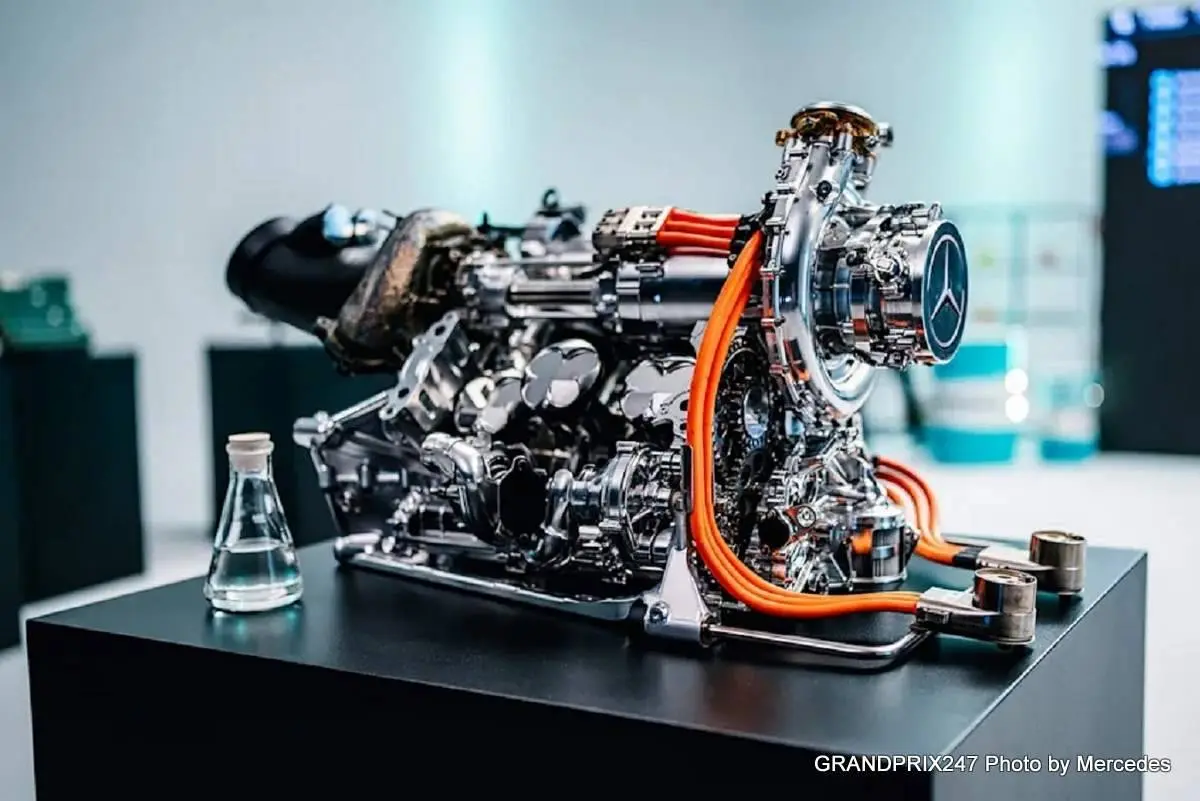
The automobile sector, particularly Formula 1 racing, has recently made significant strides toward hybridization which has seen the incorporation of electric parts with traditional ICE to make hybrid power units.
Despite their simplicity, these power units are efficient and fast while promoting sustainability. The growing trend toward hybridization demonstrates F1’s commitment to modernity while also complementing the automotive industry’s effort to adopt cleaner technologies.
Incredible horsepower and energy recovery systems are provided thanks to the hybrid power units making the cars more efficient.
The Drivers: The Track's Most Amazing Feature F1 racing
The Strength and Daringness of F1 Drivers
F1 Indians are among the most fearless and talented players of any sport across the globe. Merging the skills of handling a vehicle moving at over 200 miles an hour, control during tight turns while competing with various drivers, at the same time involves a certain degree of skill, reflex and mental reserves that are hard to find.
Of course, racers such as Lewis Hamilton, Max Verstappen, and Fernando Alonso have quite a number of wins to speak of, but they are equally known for their unrelenting ambition of redefining what can be accomplished on the racing track.
The psychological and physical factors involved
Both powerful and fast, an f1 car is controlled by the mind and body and is not designed for amateurs. Drivers are subjected to g forces which resemble those that a fighter pilot goes through, hence why fitness is so important for an f1 driver. But apart from fitness, there are other performance constraints which need a deep focus throughout the race, decisions have to be made within fractions of seconds during a F1 race. F1 racing is a uniquely demanding sport which combines speed, accuracy and massive endurance, all of which describes an athlete.
Circuits and Races that have become Benchmarks
Monaco Grand Prix: The Crown of Formula 1
One of the more popular and prestigious grand prix's on the f1 calendar is the Monaco Grand Prix. The Circuit de Monaco located in Monte Carlo is synonymous with tight turns, narrow streets, and glitzy scenery.
The race is indeed a true driver’s race as there are no run off areas making it a ‘win or lose’ situation. Winning in Monaco is described as one of the pinnacles in Formula 1 and only serves to add mystique to the event.
Silverstone, Monza and Spa: Tracks of Distinction
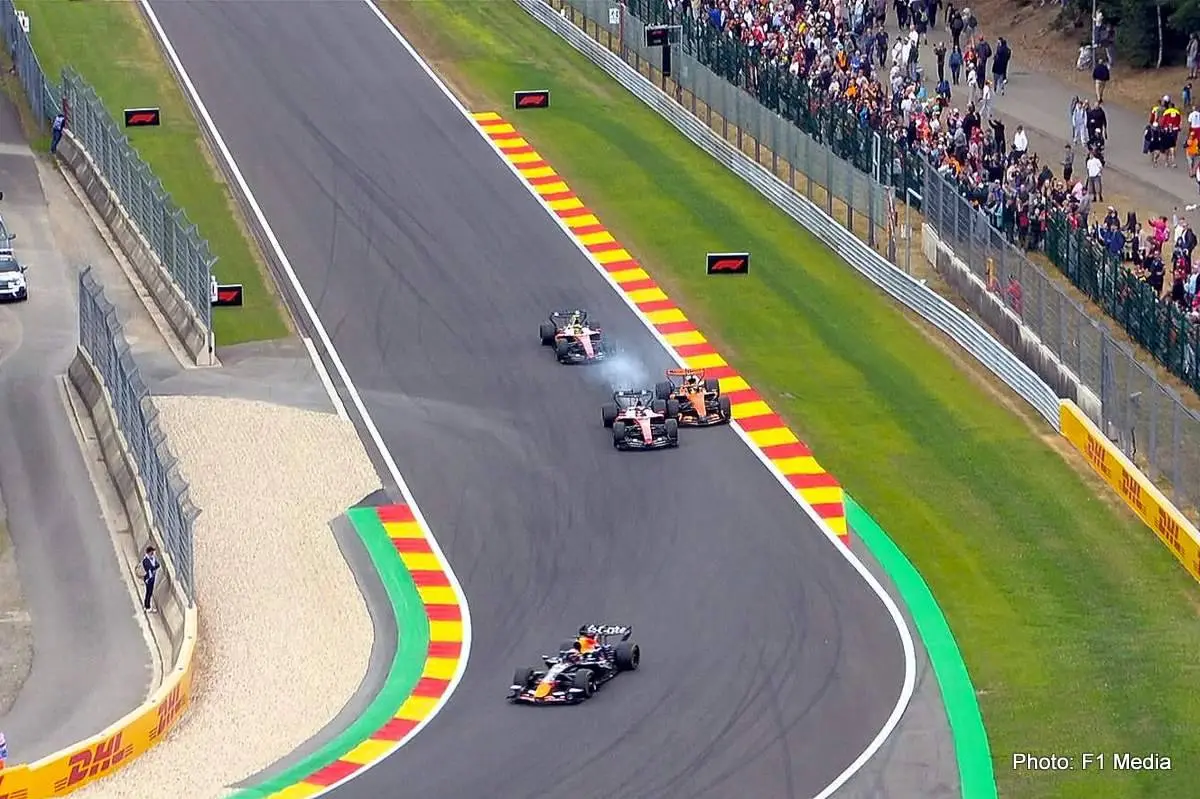
Other circuits like Silverstone of England, Monza of Italy, Spa-Francorchamps of Belgium among others have also been very important in the history of F1. These three circuits offer different sets of challenges such as a high-speed corner of Silverstone, long straights of Monza, and Eau Rouge of Spa.
These circuits have been a part of some very exciting and thrilling episodes in the history of f1 and have only added richness to the f1 sport.
The Culture and Passion of F1 Fans
A Global Fanbase
Formula 1 has drawn and continues to have fans from diverse backgrounds and cultures across the globe. The F1 races gain several million viewers, both physically and through the screens, thus persistently establishing itself within the realms of sports which are consistently among the most-watched.
People are enthralled with the reality, the novelty and the thrill of Formula 1 as every race has all sorts of twists and turns. Their feeling of togetherness as fans, be it at the venue or virtually, proves the adoration the people have for the sport’s popularity.
The Role of Social Media and Digital Engagement
For the last several years, Formula 1 has transformed its strategy and used social media channels as well as other platforms that allow it to engage its fans. “Drive to Survive” on Netflix has been instrumental in popularizing the sport by allowing newcomers an insight into the teams, drivers, and how the action unfolds on and off the track. Platforms such as Twitter, Instagram, and of course, youtube have also given the enthusiasts an opportunity to interact with drivers, teams, and fellow fans online who contribute to the landscape of the eventful weekends.
The Future of Formula 1 F1
Sustainability and Innovation
With F1's strategies aimed at mass audience and increased viewership, it seems like its fans take a slight fillip through such promotional campaigns. F1 is making efforts to be more environmentally considerate by incorporating a strong subsidization of green fuels, bettering the logistics of the event, and tightening waste prevention strategies. It isn’t only socially responsible but also positions F1 at the edge of car industry advancements.
Expanding the Calendar
F1 is not about to stop expanding its audience reach anytime soon with fresh races being incorporated into the schedule within new regions such as the United States and the Middle East. Including more centers like Miami and Las Vegas implies that F1 is trying to broaden its followers and expand the sport across uncharted. So expansion serves for F1 to be genuinely the global sport and being practiced by fans around the czar.
Conclusion
The excitement in Formula 1 can be attributed to the balance of speed, technology, skill and drama. From the rough and ready technology of the various cars to the even more insane drivers who actually get in them, F1 is a sport that has millions in raptures.
The world of Formula 1 is distinctive with its rich heritage, remarkable tracks and dedicated fans around the globe. Through the evolution of the sport and praying for the future of the sport, one cannot deny the magic and excitement that is Formula 1 will always be loved by fans across the world.
Latest News



Loading