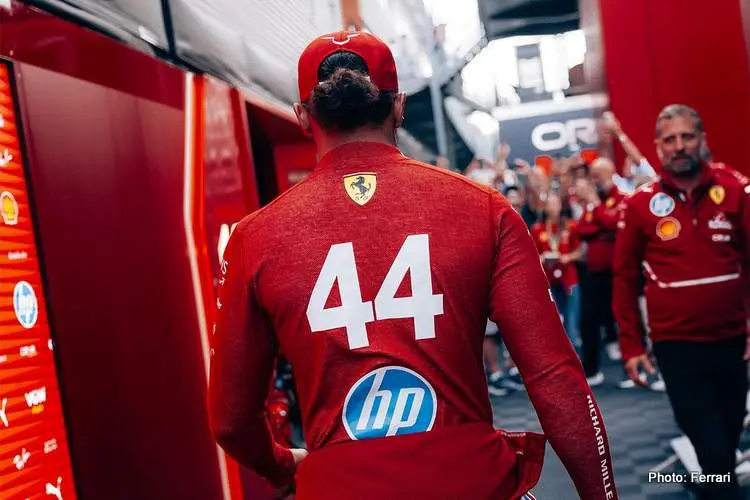
Lewis Hamilton launched Formula 1 holidays, shedding uncertainty about his future in the sport in well-documented comments about him being "useless" and should be replaced by Ferrari.
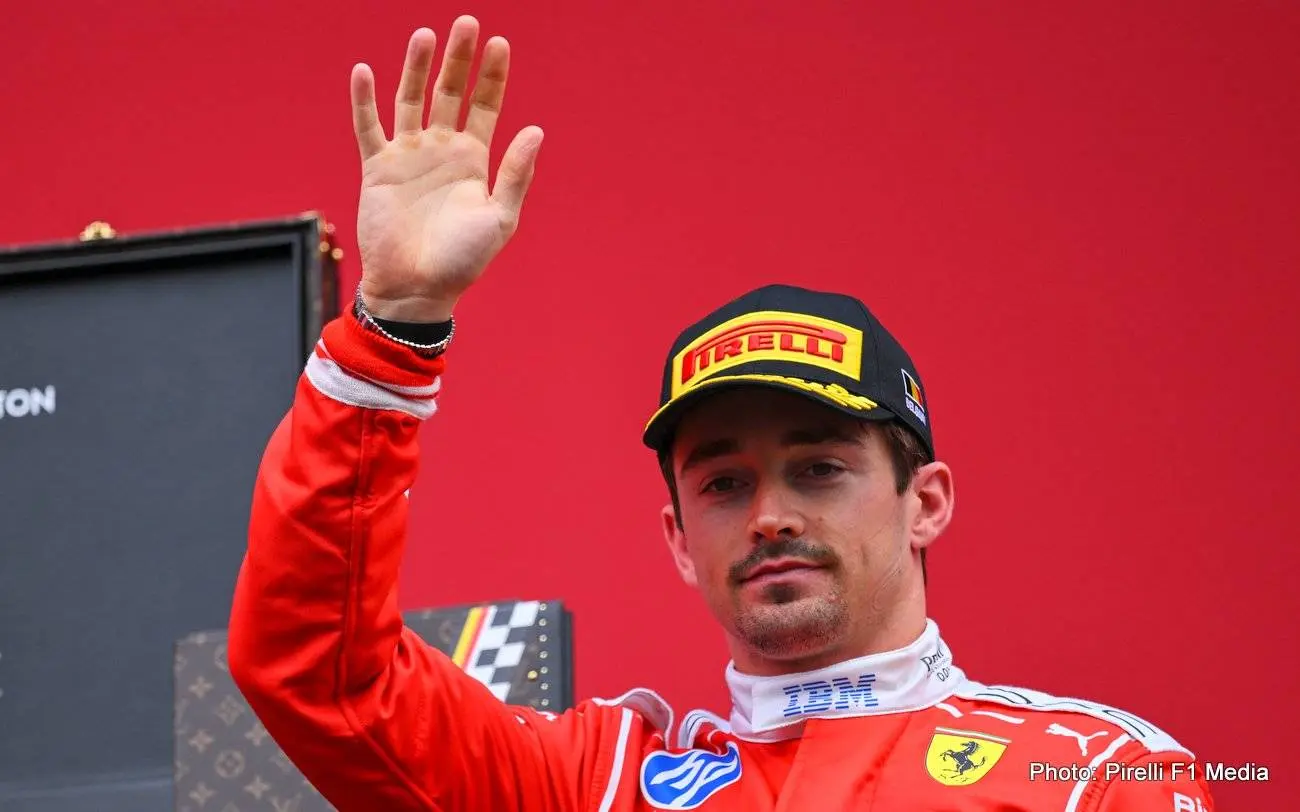
Perhaps so in an ideal world of traditional Formula 1 driver hierarchy, if you can't beat your teammate, in this case, Charles Leclerc, you will be number two or leave the team. This is a scenario that Hamilton is not used to. But then he is different to any other driver on the grid.
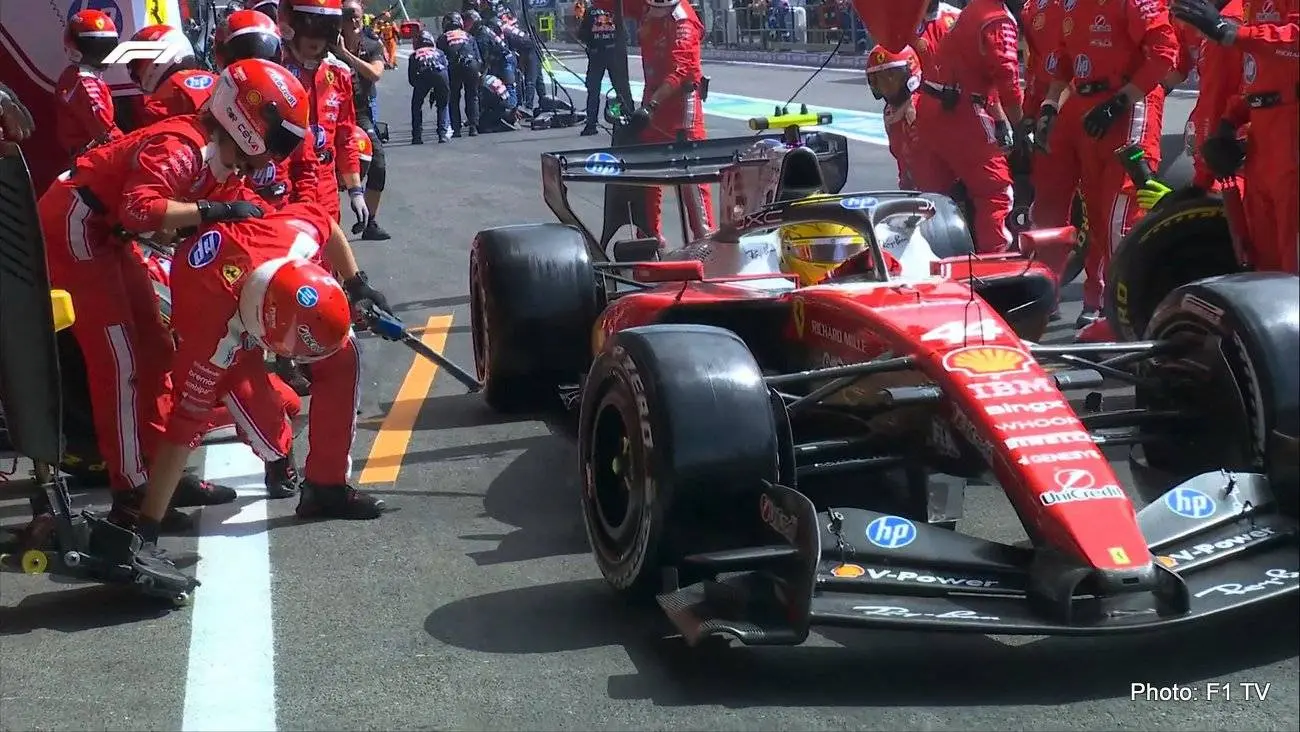
The reality is that no matter what he does in the Ferrari, business is booming for the Scuderia's coffers. In fact, ever since the seven-time F1 world champion arrived at Maranello, Hamilton has been a money magnet for the team.
How so? Writing for Gazzetta Motori, reporter Marco Iaria broke it all down.
Hamilton may not have scored a GP podium so far in his debut season with Ferrari, but the seven-time Formula 1 World Champion continues to deliver a strong return off track. Despite a poor on-track record, Hamilton’s presence has boosted revenues and strengthened the Scuderia’s commercial muscle.
In 14 Grands Prix so far, Hamilton has never finished inside the top three, with his only highlight being victory in the Sprint Race in China. For a driver of his stature, the competitive balance is strongly negative. Yet while Ferrari fans wait for success on Sundays, the team’s accountants are seeing a very different picture.
Ferrari revenues climbing

Commercially, the partnership between Ferrari and Hamilton makes perfect sense. His arrival has accelerated sponsorship deals, merchandise sales and brand value, making him a financial asset even as the results fail to meet expectations.
In the first half of 2025 Ferrari posted a net profit of €837 million ($979 million), up nine percent compared to the same period in 2024. Formula 1 operations contributed significantly to this growth. Although Ferrari does not publish separate team accounts, F1 revenues fall under the category of sponsorships, commercial contracts and branding.
Between January and June 2025, coinciding with the first part of the season, these revenues rose from €313 million to €396 million. The increase came partly from new partnerships and also by €30-40 million from higher prize money linked to Ferrari’s stronger championship position in 2024 compared to 2023.
Despite not winning a Constructors’ title since 2008 or a Drivers’ crown since Kimi Raikkonen in 2007, Ferrari’s racing-related income has been on a consistent upward trajectory: €499 million in 2022, €572 million in 2023, €670 million in 2024, and up a further 27 percent in the first half of 2025. Hamilton has slotted into this growth path and served as a powerful accelerator.
Return on investment

Hamilton’s global appeal remains unmatched in motorsport. He commands 40.3 million Instagram followers, more than double his Ferrari teammate Charles Leclerc (19.7 million) and even more than the Scuderia itself (19.1 million).
At 40, even as Hamilton enters the twilight of his career, Hamilton remains among the 20 highest-earning athletes in the world according to Forbes, with $20 million in commercial income. By contrast, Max Verstappen ranks as the second-highest-earning Formula 1 driver in commercial terms at just $6 million.
This ability to generate attention and attract brands is precisely what Ferrari sought when it signed Hamilton, and the financial results confirm his pulling power.
The clearest impact has been in sponsorship and advertising contracts. According to consultancy StageUp, Hamilton’s presence has boosted Ferrari’s sponsorship revenue by around €50 million annually.
In April 2024, shortly after his signing was announced, Ferrari secured a deal with HP worth between €80-90 million, restoring a title sponsor after three years. These contracts, signed in advance, are not affected by disappointing track results.
Hamilton worth €70 million to Ferrari per annum
The other commercial lever lies in brand exploitation - fashion, merchandising and licensing. Optimistic projections pointed to at least €50 million in growth from Hamilton’s arrival. The poor season has tempered those expectations, with current estimates closer to €20-25 million.

Overall, Hamilton’s presence can be valued at around €70 million in additional revenue for Ferrari. With his salary estimated at €40 million, the return is clear even in a season that has fallen short competitively. The effect would be even greater if Hamilton were fighting for victories and titles, but even in a slump, he remains commercially powerful.
Giovanni Palazzi, president of StageUp, explained: “The increase in merchandising and the growth in sponsorship turnover are explained by Hamilton’s attractiveness. He is not just a driver but a living sporting legend."
Hamilton appeals to a global audience

Palazzi explained: "His image goes beyond Formula 1 and speaks to a global audience, uniting sport, fashion and pop culture. This worldwide charisma, combined with the Ferrari legend, created an irresistible combination for fans and brands when his signing was announced.
"At the start of this season, it translated into record sales and high-level partnerships. Of course, there is a fragility: if poor results persist for too long, even the myth could suffer, with effects on enthusiasm and commercial returns," added Palazzi.
For now, the numbers confirm Hamilton’s move to Ferrari is paying off commercially, regardless of his failure to deliver results on the track. He remains a unique force in motorsport, with global recognition that extends well beyond Formula 1.
Ferrari will hope that sooner rather than later the financial impact of Hamilton’s arrival will be matched by performance on Sundays. If he can turn results around, the combination of legend and performance could become one of the most valuable partnerships sport has ever seen.
Latest News


Loading