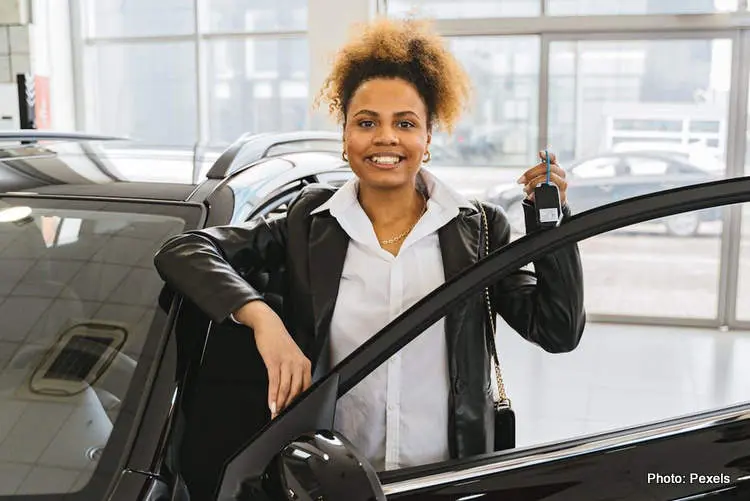
Have you recently bought your first car? Owning a vehicle is an exciting milestone, but it can also feel overwhelming when you’re new to the responsibilities that come with it.
From maintenance schedules to road safety, there’s a lot to learn. Your car isn’t just a way to get from point A to point B — it’s an investment that requires proper care and attention.
Owning a car means more than just driving. It involves understanding basic upkeep, preparing for emergencies, and knowing how to handle unexpected issues. These skills not only keep your car in good shape but also make driving a safer and more enjoyable experience.
In this report, we will share essential tips for new car owners, helping you get the most out of your first vehicle while avoiding common pitfalls.
Learning the Basics
Every car owner needs to start with the basics. Familiarise yourself with your vehicle’s user manual — it’s more helpful than you might think. The manual contains essential information about your car’s features, maintenance schedule, and recommended tyre pressure.
Understanding your dashboard indicators is another key step. Warning lights for things like low oil or engine trouble shouldn’t be ignored. These alerts are your car’s way of letting you know it needs attention.
Preparing for Breakdowns
Breakdowns can happen to anyone, even with a new car. Being prepared makes all the difference. Carry essential tools in your car, like a jack, spare tyre, and jump leads. It’s also helpful to keep a small emergency kit with items like a torch, gloves, and a high-visibility vest.
Keeping the contact information for a dependable breakdown recovery service is just as essential. If your car breaks down, these experts can assist with roadside repairs or safely transport your vehicle. Having this kind of support readily available provides peace of mind, particularly on long trips or when driving late at night.
Setting Up a Maintenance Routine
A car that’s well-maintained lasts longer and runs more efficiently. Start by setting up a regular schedule for oil changes, tyre rotations, and brake checks. Keep track of these services in a logbook or on your phone to stay organised.
Don’t forget smaller tasks like checking fluid levels and inspecting your tyres for wear. These simple steps prevent bigger problems down the road and help your car perform at its best.
Understanding Insurance and Road Tax
One of the first responsibilities of car ownership is securing insurance and paying road tax. Make sure you know the coverage your insurance policy offers and update it as needed. Comprehensive coverage often provides added benefits like theft protection and accident repairs.
Paying road tax on time is also crucial to avoid fines. Look up the tax band for your car to understand how much you’ll need to pay annually. These are essential aspects of keeping your car legal on the road.
Learning to Budget for Costs
Owning a car comes with ongoing costs beyond the purchase price. Budgeting for fuel, servicing, and unexpected repairs is important. Keep an eye on petrol prices and try to plan your routes efficiently to save on fuel.
Consider setting aside a small emergency fund specifically for your car. This cushion helps you handle surprise expenses without stress. Understanding your financial responsibilities keeps car ownership manageable.
Practising Safe Driving
Safe driving habits not only protect you but also extend the life of your car. Follow speed limits, maintain a safe distance from other vehicles, and avoid harsh braking or accelerating.
Pay attention to road conditions, especially during bad weather. Wet or icy roads increase the chances of accidents, so drive cautiously. Good driving habits are key to becoming a confident and responsible car owner.
Staying Prepared for Emergencies
Even with preparation, emergencies can happen. Knowing what to do in unexpected situations, like an accident or a flat tyre, is crucial. Keep emergency contact numbers handy, including those of your recovery service and insurance provider.
If you’re involved in an accident, stay calm and assess the situation. Take photos, exchange details with the other driver, and report the incident to your insurer. Being prepared helps you handle emergencies effectively.
Building Confidence Over Time
Becoming a confident car owner takes time. The more you drive and learn, the more comfortable you’ll feel. Don’t hesitate to ask experienced drivers for advice or take a defensive driving course to sharpen your skills.
Remember that mistakes happen, and every car owner has had moments of learning. Focus on staying consistent with maintenance and improving your driving habits. Confidence comes with practice and experience.
Making the Most of Ownership
Owning a car offers freedom and convenience, but it’s also a responsibility. Take pride in caring for your vehicle and making thoughtful decisions about how you drive and maintain it.
Whether it’s your daily commute or a weekend road trip, a well-kept car makes every journey smoother. Enjoy the independence that comes with car ownership while staying proactive about its care.
All in all, owning your first car is an exciting experience filled with new responsibilities. By learning the basics, staying prepared for breakdowns, and maintaining your vehicle regularly, you can make the most of this milestone. Building good habits early helps you avoid common mistakes and keeps your car running smoothly.
With a bit of effort and planning, car ownership becomes less intimidating and more rewarding. Your first car is more than just a mode of transport — it’s a gateway to new opportunities and adventures. Take care of it, and it will take care of you.
Latest News









Loading