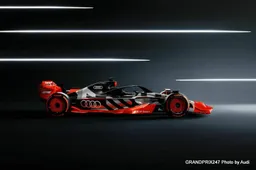
Racing is a sport that embodies speed, precision, and the thrill of pushing both man and machine to their limits.
Regardless of whether you are a seasoned racing driver or an enthusiast who is motivated enough to break into the world of motorsport, the process of buying a race car in 2024 includes careful consideration and informed decision-making. It includes considerations on what to look for, types of race cars available, key features, ownership cost, and how to make a wise purchase.
Understanding Your Racing Needs
Before going into the details of race cars, you need to define your needs for racing. The form of racing you want to engage in could dramatically affect your choice of vehicle. Some of the most common categories of racing are Circuit racing, Drag racing, Rally racing, and Endurance racing.
Circuit racing includes closed tracks with a number of turns, and popular formats include Formula racing, GT racing, and Touring car racing. On the other hand, Drag racing is basically a competition in a straight line which concerns accelerative performance over short distances, usually a quarter-mile.
Rally racing takes place on surfaces that are vastly different: gravel, tarmac, and snow. This requires a car to be versatile and sturdy. On the other hand, Endurance racing is a test of durability and reliability over an extended period, normally 6-, 12-, or even 24-hour races.
Types of Race Cars
Formula Cars
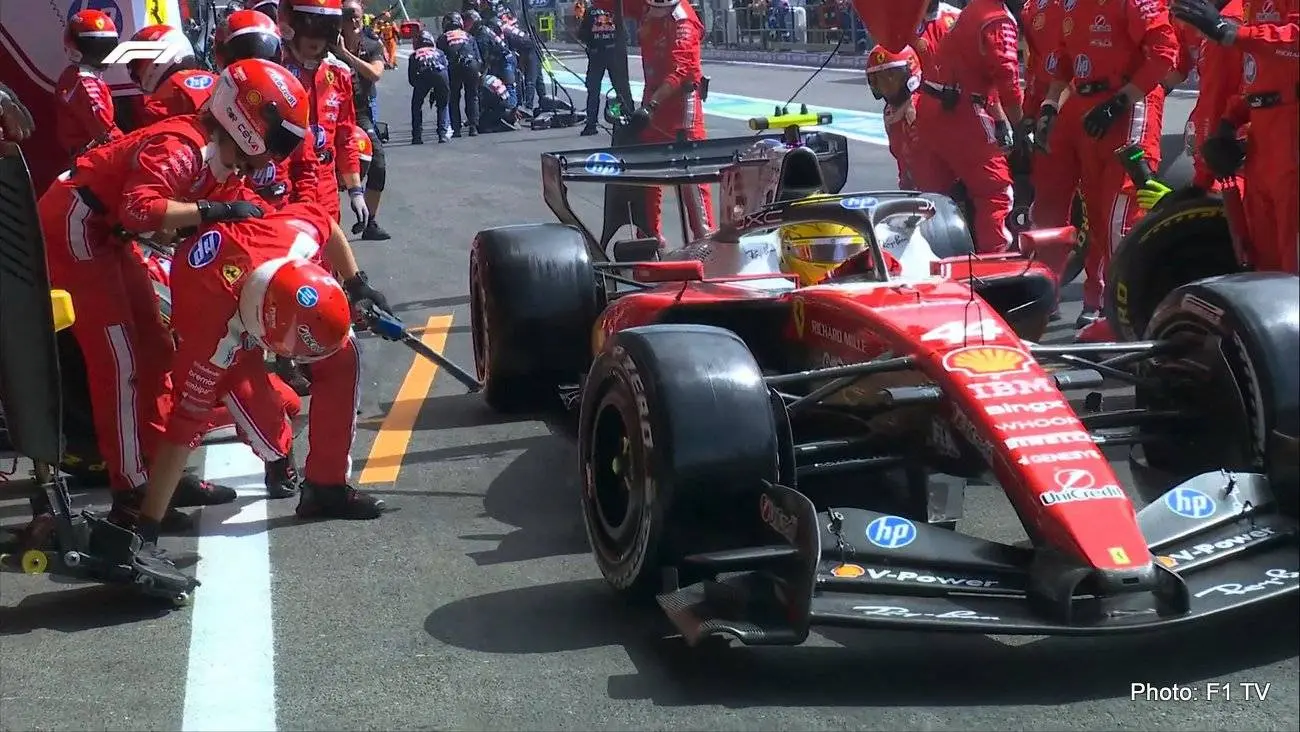
Formula cars, like those involved in Formula 1, Formula 2, and Formula 3, are single-seater and of an open-wheel type. These cars are characterized by a high downforce and low weight, using sophisticated aerodynamics and very powerful engines. Their characteristics come at a great cost in both expense and servicing, making the cars like MP4/1 or RED BULL RB9 relevant only to the top levels of motorsport competitions.
GT (Grand Tourer) Cars
GT cars are based on their corresponding production models but are hugely enhanced for racing purposes. They are engineered to combine performance with endurance and heavy servings of aerodynamics in their design. GT cars are ideal for both professional and amateur racers, offering a balance between performance and comfort, making them versatile for various racing events. Examples of GT cars include the Porsche 911 GT3, Ferrari 488 GT3, and Aston Martin Vantage GT3.
Touring Cars
Touring cars are adapted from regular sedans or hatchbacks; a good example is the BMW M3, Audi RS3 LMS, and Honda Civic Type R TCR. The actual action is focused on close racing and assessing driver talent rather than aerodynamics in comparison to GT cars. Touring cars appear in local and national championships and are far more accessible because of lower running costs and ease of service compared to high competition cars.
Rally Cars
Rally cars, such as the Subaru WRX STI, Ford Fiesta Rally4, and Toyota Yaris WRC, are specifically designed to have all-wheel drive for increased traction on any kind of surface. The cars are fitted with a metal-reinforced chassis and suspension for added strength and resistance, along with a turbocharged engine for improved power.
Drag Cars
Drag cars, including the Chevrolet Camaro SS, Dodge Challenger SRT Demon, and Ford Mustang Shelby GT500, are built for high-horsepower engines to achieve rapid acceleration. These variants are lightweight with special tires that maximally provide grip.
Key Features to Consider
Engine and Power-train
While choosing a race car, try to keep in mind that overall power output should be high. More horsepower and torque generally offer more speed, but on the other hand, it is equally important to balance it with its weight and handling. The type of engine might affect its performance characteristics; naturally aspirated, turbocharged, or supercharged.
Aerodynamics
The performance of any race car is basically founded on aerodynamics. What's more, downforce is precisely the element that applies at high speeds to ensure traction. So, look for vehicles with sophisticated aero kits that add a splitter, diffuser, and a rear wing.
Safety Features
Safety is the number one aspect for racing. So, ensure that the car has a roll cage to protect the occupants in case of an accident and that all other safety features. Racing harnesses and bucket seats help keep a driver securely located during high-load cornering maneuvers, and fire extinguisher systems are key to preventing the risk of fire from an accident.
Ownership Costs
Initial Cost of Purchase
When considering the initial purchase cost, you have the option of buying new or used race cars. New race cars feature the latest technology, but are correspondingly more expensive. Second Hand cars can be cheaper—it's just that you might need to do more work on them.
Maintenance and Running Costs
Race cars are pretty expensive to maintain and run. Racing fast wears out parts, with a corresponding replacement needed quite often. Budget for tires, brakes, and engine parts, as these are common areas that need attention. High-performance cars also use plenty of fuel and usually require expensive fluids to perform properly, which increases running costs.
Entry Fees and Travelling
Entry fees almost always come into play when it comes to participation in races, although the amount for these varies from event to event. The subsequent costs of traveling and accommodation have to be kept in mind since transporting the car and the team to different venues is not cheap.
Comparing Ownership Costs to Regular Cars
The ownership costs of a race car are way more than the ordinary sporty performance car. Regular cars have lower maintenance costs, longer servicing intervals, and less expensive parts in the event of replacement or repair.
The prices of regular auto insurance quotes are also much lower than quotes you will get for a race car. In addition, race cars guzzle more fuel because of high-performance engines; fuel costs are therefore higher. Where sporty regular cars would require perhaps premium gas, measurement, and frequency needed in race cars far surpass that of regular vehicles. Overall, owning a race car requires a much larger financial commitment compared to owning a regular car designed for sporty performance.
Conclusion
Purchasing a racing car in 2024 is a beautiful experience that calls for focus, attention to detail, and knowledge. Understanding your racing needs, researching types of race cars available, their features, budgeting on acquisitions, and putting into consideration the high cost of ownership help in making a decision that will improve your racing experience. Whether you aim to compete at a professional level or enjoy the thrill of racing as a hobby, the right race car can make all the difference.
Latest News







Loading