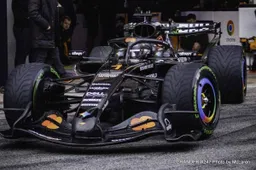
Outside Line: Hadjar can learn from the Gasly lessons on being a Red Bull driver
F1 OpinionWednesday, 28 January 2026 at 15:53
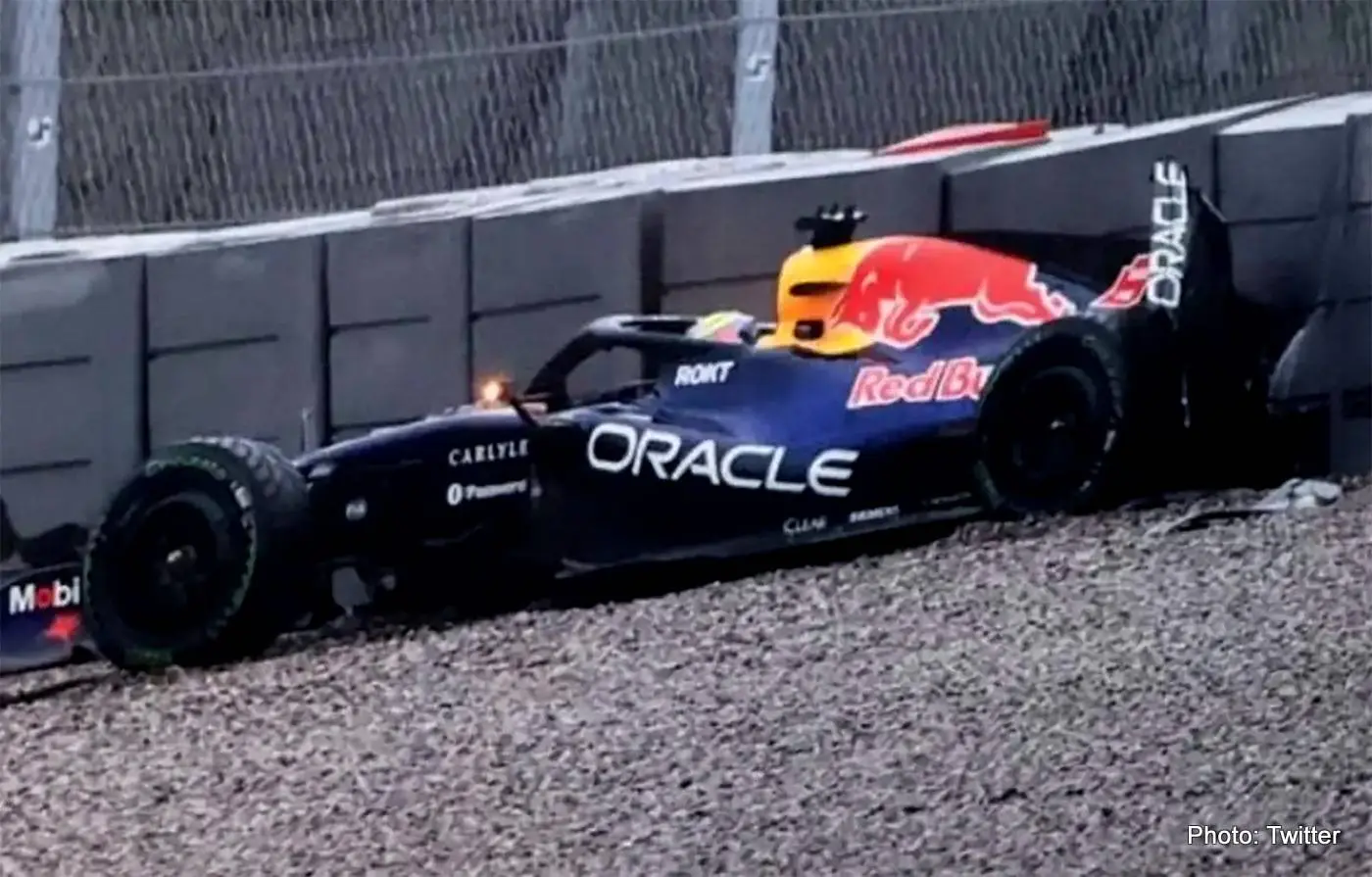
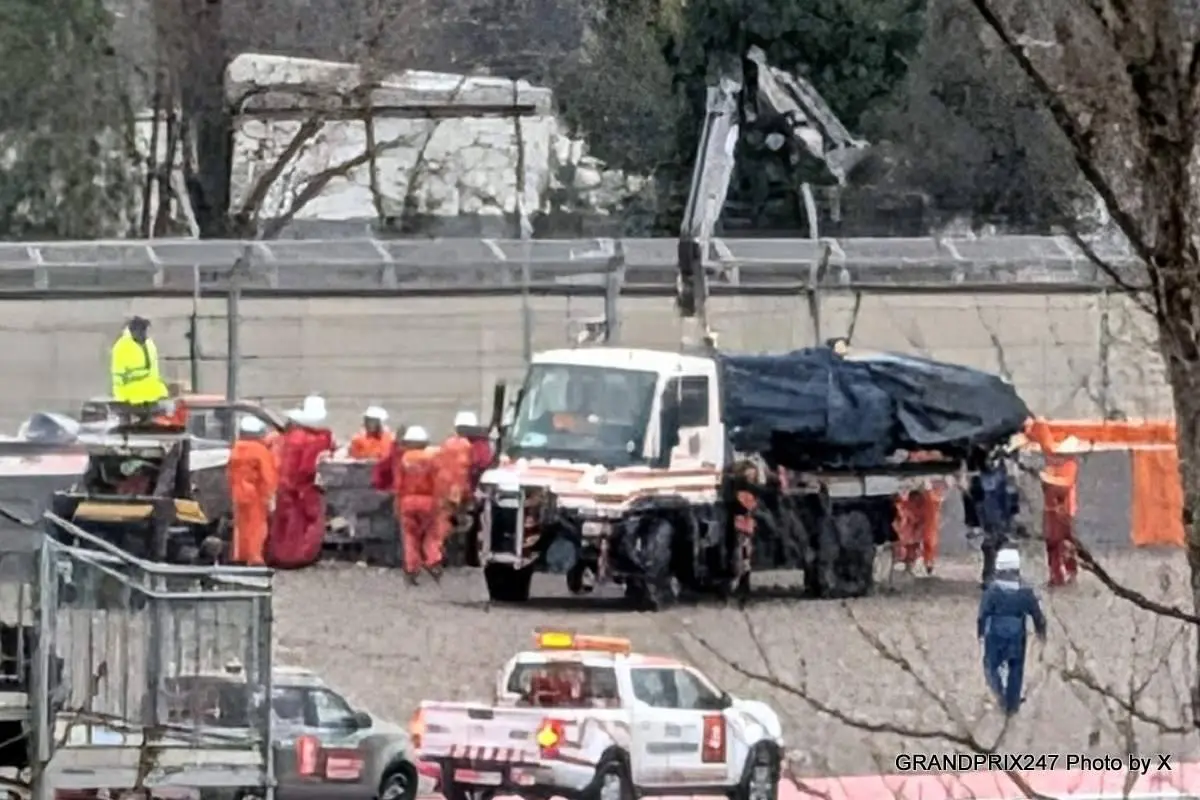
The reality of history repeating itself sunk in after learning that Red Bull's latest 'victim' Isack Hadjar binned the RB22 during 'behind-closed-doors' Formula 1 preseason shakedown (aka Test) in Barcelona this week.
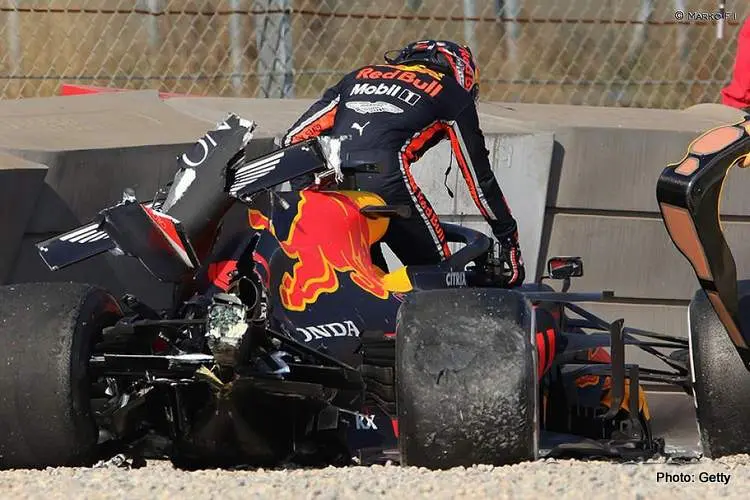
Plenty of deja vu, prompting memories of Pierre Gasly all but nuking his career as a Red Bull driver back in 2019, before it even got started. Like Hadjar, also a Frenchman, he broke the Adrian Newey-penned RB15 during early testing. Guess where? Barcelona, of course!
That's more coincidences than is normal. So let's take a trip down memory lane and delve back, and see what lessons there are for Hadjar from his compatriot's escapades several years ago.
History shows that Gasly’s brief Red Bull stint did not fail quietly. It imploded in full view of Formula 1, and the wreckage tells us as much about Red Bull as it does about the Frenchman. Hence, the lessons for young Isack as he embarks on a similar path of self-discovery.
Promoted for 2019 to replace Daniel Ricciardo. Gasly arrived at Milton Keynes as a 22-year-old with promise, momentum, attitude, but exactly zero margin for error. He was dropped after 12 races. Not at the end of the season. Not with dignity. Mid-year. Brutally. Replaced by the next victim Alexander Albon, without ceremony, without patience, and without mercy.
The collapse of Pierre Gasly at Red Bull

From the outside, Red Bull insisted it was simple. Performance. Numbers. Verstappen domination. End of story. But nothing about this collapse was simple.
Gasly never recovered from the opening blow, not only to him but also to the team. That heavy pre-season testing crash robbed them of a car to test and their new driver and a massive confidence blow before the season even began.
From the outset, the Red Bull RB15 was tricky to drive. Nervous, unpredictable, and nothing like the Toro Rosso Gasly had flourished in the year before. While Verstappen drove the car to his will, his teammate fought it. Every lap. Every weekend.
By the time the season reached its midpoint, the gap was humiliating. Gasly scored 63 points in 12 races. Verstappen scored 181, including wins in Austria and Germany. And he was lapped by his teammate. More than once. Australia. Hungary.
Elsewhere. The average qualifying deficit sat at 0.529 seconds. In modern Formula 1 where beating your teammate is the first order of business, that is an eternity.
Red Bull bosses stop hiding their frustration

Team principal Christian Horner’s early-season reassurance quickly hardened into thinly veiled warning signs. At first, the line was patient: “Pierre is having a tough time at the moment, we're doing our best to support him, I think he just needs a reset.”
Weeks later, Horner's tone shifted: “We desperately need more out of Gasly. I think we have got to somehow go control-alt-delete in his head and start again.” That sentence alone should have told Gasly he was already finished.
Meanwhile, RBR driver boss Helmut Marko did not bother with euphemisms. He went for the jugular: “Psychological problems best explain Gasly's crisis.” Then came the deeper cut: “He is just too weak when fighting.”
When the blame game escalated, Marko made it personal: “Pierre should take some of the blame.” The implication was clear. The car was difficult. Yes. But Verstappen managed. Gasly did not. Therefore, the new French kid was the problem.
What Red Bull never publicly admitted was how much pressure they applied, how little space they allowed, and how aggressively they closed ranks around their chosen one. Max. Gasly was not treated as a driver being developed. He was treated as an obstacle in Verstappen’s title campaign.
Two sides to the sorry story

Internally, the relationship soured fast. Gasly was labelled difficult. Demanding. Accused of not listening. Worse, he was accused of overstepping. Marko openly criticised him for attempting to influence technical direction: “He shouldn't tell Newey how to build a car.” In Red Bull’s ecosystem, that was heresy.
Gasly’s version of events paints a different picture. He insists promises were made and broken. Car changes that never arrived. Assurances of a full season that evaporated. Support that never materialised. He later described the experience as a nightmare, culminating in his demotion being delivered via a phone call from Marko. No meeting. No explanation. Just done.
British media framed the swap as cold but logical. Verstappen was destroying him. Red Bull could not wait. German and Austrian outlets focused on the human cost. A young driver thrown into the deepest end of the sport, then blamed for drowning. Both are right.
Gasly failed at Red Bull. He failed to adapt. He failed to cope. He failed to assert himself against Verstappen. But Red Bull also failed him. They promoted him too early, caught flat-footed by Ricciardo's defection to Renault at the time. They offered him a car he could not understand. They applied relentless pressure. And when the cracks appeared, they chose the fastest exit rather than the harder work.
For Formula 1 fans interested in responsible gaming check out the online casino UK reviews.
Gasly went on to be a winner

Gasly’s career did not collapse after Red Bull. It revived. Podium at Toro Rosso later in 2019. Victory at Monza in 2020 with AlphaTauri. Proof, if it was ever needed, that talent was never the issue. The environment was.
Red Bull learned nothing. They repeated the same cycle with Albon. They repeated it with Sergio Perez, Liam Lawson and most recently Yuki Tsunoda. That number two seat remains the most toxic job in Formula 1 for anyone not named Verstappen.
Or until a driver arrives in the team and beats the four-time Formula 1 World Champion on a regular basis. Step up the next experiment, Isack Hadjar.
Everyone in Formula 1 wishes the Frenchman well as he enters the Lion's den that is RBR. Hadjar wears his heart on his sleeve. That massive grin he sported thereafter, after topping the lap times at the end of the first day of the secret test at Circuit de Catalunya, was priceless
But crashing a day later, thrusts himself and his entire team on the back foot at a very crucial test. Unless something broke and turned him into a passenger, he is forgiven, of course. But if it was driver error, Hadjar should've known better. More so, had he studied how Gasly failed at Red Bull when his chance came along.
The stage is set for history to repeat itself, and after the Hadjar crash, one must say that the deja vu is uncanny! Personally, I hope this one has a happier ending.
Latest News
Loading