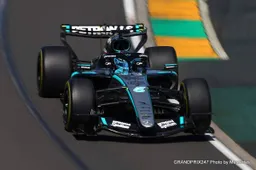
Outside Line: Formula 1's most important season underway, but who really cares?
F1 OpinionSaturday, 07 March 2026 at 00:21
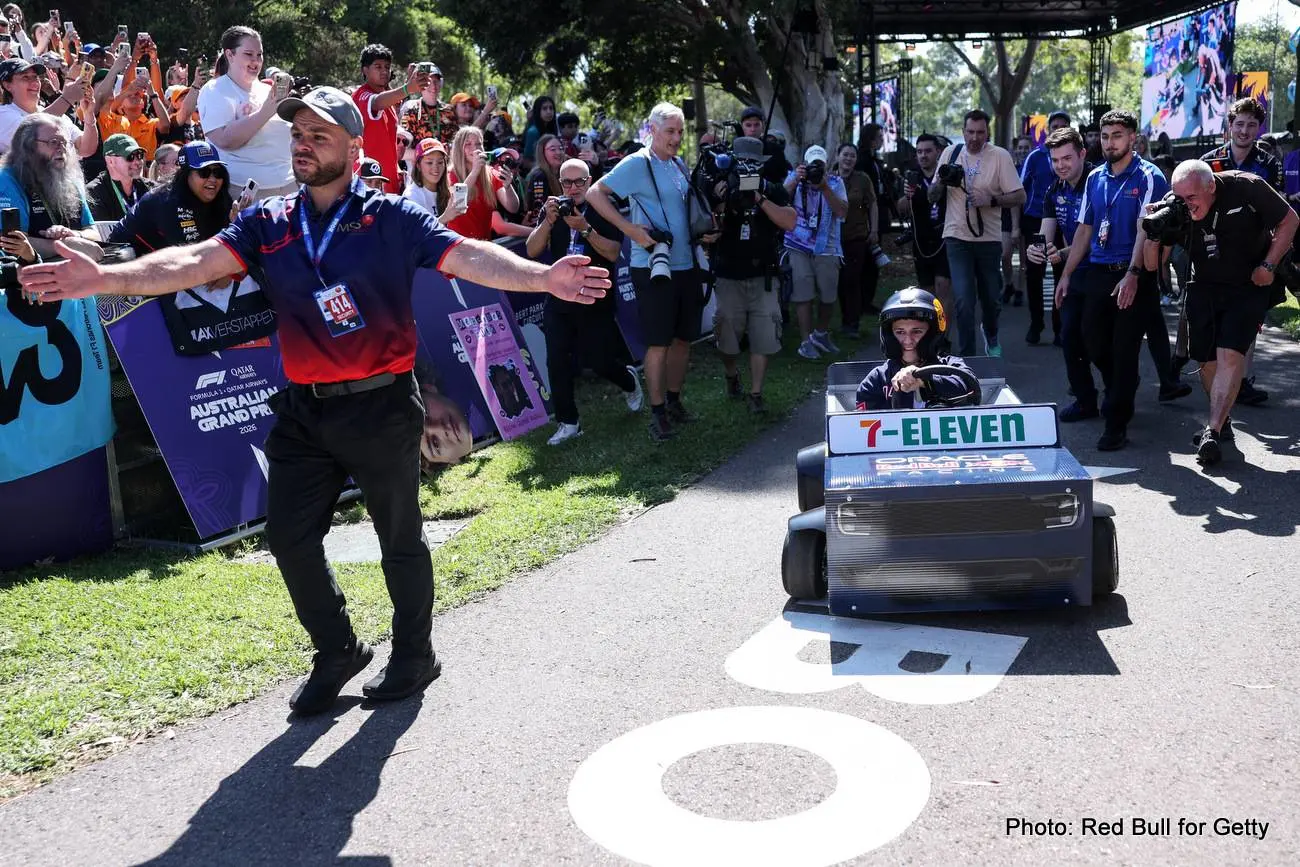
Formula 1 returned to Albert Park this weekend, engines fired, cars unleashed, and the sport proudly rolled out its shiny new era. But who really cares?
Because of the world we’re living in, while all this unfolds. Every morning I wake up and the headlines read like a bad dystopian film. Wars everywhere. A major global conflict is escalating. The very real prospect of a third world war is hovering over humanity. And here we are discussing Formula 1 engines.
Mercedes team boss Toto Wolff summed it up better than I could: "With the ongoing situation in the Middle East, it seems trivial to talk about sport. We watch the developing events in the region with concern and hope that the protection of civilian life remains paramount."
After the first two practice sessions of the 2026 Formula 1 season, I’m left shaking my head in bewilderment from what I saw in FP1 and FP2. This was not the glorious dawn of a new, well-thought-out era. It looked like chaos to me. I had sincerely hoped for the best when most around me scoffed. Disappointment looms.
On the first day's evidence, there are teams on the grid that frankly have no business being in Formula 1 if the standard of preparation and state of readiness they displayed is a gauge.
Cadillac, for instance, could barely get two cars to run properly. That leaves two possibilities: either the team is rubbish, or the rules are rubbish. If we’re being honest, it is probably both. Graeme Lowden, speaking like a little boy let loose in a candy shop just for being in Formula 1, during the PC on Friday, was cringeworthy.
The whole operation looks totally out of its depth. An organisation with no pedigree in Formula 1, starting from scratch, is it all proving to be a bridge too far? Time will tell. But what happened to meritocracy? Cream of the crop rising to the top? Sledgehammered by greed for money? Pay to play, even if you don't know how to play, seems okay for the current regime ruining running this sport.
Absurdly complex engine rules

What were the FIA thinking with these engine rules? If this thing bombs, it will be an ideal time to drain that swamp of the clueless who make far-reaching decisions about our sport without an ounce of vision, it seems. Are they trying to destroy Formula 1 to usher in Formula E as the premier series?
Formula 1 technical regulations have become so absurdly complex that even I, who has followed the sport for over half a century, struggle to understand them. What happened to Formula 1 being simple? Bolt on a highly cost-effective V8 or a V10, build the fastest chassis you can, put the best drivers in the world behind the wheel and let them fight. That was racing.
Formula 1 should never be about manufacturers; they are transient and opportunists, and most pass through like ships in the night. Formula 1 is all about the drivers, so give them decent kit to maximise their skills, not curtail them with bad tech.
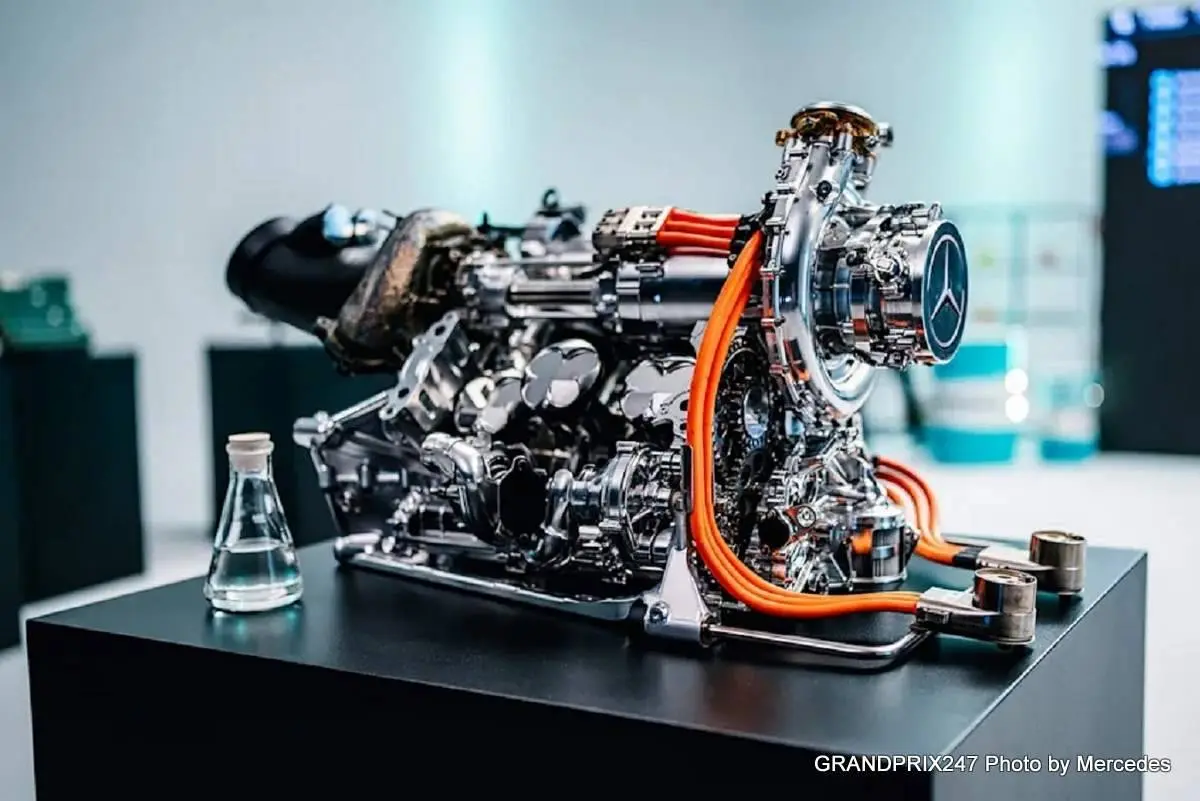
Today in F1, we talk about energy harvesting, deployment strategies, lift and coast tactics, recovery systems and software algorithms. At times, it sounds less like motorsport and more like a lecture in engineering bull dust. Watching Friday’s sessions genuinely felt like a technological experiment gone wrong that escaped the laboratory and ended up on a race track.
Half the grid looks completely unprepared for this new regulation cycle. The top F1 teams will survive because they always do, but others have clearly dropped the ball. Aston Martin is the most glaring example.
How does a team spend the kind of money they have spent and still arrive at a moment like this looking so disorganised? Adrian Newey himself admitted he arrived at the factory and barely recognised the place. No familiar faces. No experienced Formula 1 personnel. That is staggering.
Adrian Newey drops the ball big time

Lawrence Stroll must be living through a nightmare. Plenty of excuses and finger-pointing towards Honda. But in my book, the buck stops with new team principal Adrian Newey, Formula 1's greatest engineer, the one who walks on water, they say.
His many protectors distance him from the fiasco because he arrived late to the project. Bad excuse to point out that they only found out that Honda dropped the ball now. LOL! Seriously? There was no communication between Aston Martin and Honda for the past year over the engine. No daily or at least weekly Zooms, where you get a hang of your partners?
Was there due diligence by Newey as the technical boss turned TP? Did he go hang out with the engine builders? That they found out only now that the blind school in Sakura was designing the PUs is a travesty, a ball drop of note by the design legend, who, when he f@cks up, it is always massive. Ask Ayrton Senna.
For billionaire Lawrence Stroll, reality must be brutal. He has spent a fortune chasing two dreams. The first was turning his son into a Formula 1 world champion. That one will never happen. The second was building a championship-winning team. That ain't happening. Depending on your sources, Stroll senior has spent between half a billion and a billion dollars on this vanity project. If I'm angry, imagine him!
Even unlimited money does not buy you happiness

The Lance Stroll project (or was it an experiment?) was built on the belief that enough money, enough support and enough protection could eventually produce a champion. But Formula 1 does not work like that. Talent cannot be purchased. You can buy facilities, engineers and teams, but you cannot buy success. That realisation must have been a painful one.
Yet even that is only part of the story unfolding on this grid. Because, despite the chaos, the cars actually look fantastic. They look fast and they sound decent on television. But beneath that surface lies a level of confusion and unreadiness that is deeply worrying.
And again the same question emerges: are the teams incompetent, or are the rules simply too complicated for anyone to execute properly?
As someone who has followed Formula 1 for over fifty years, I will be honest. The tech side of the sport lost me when it introduced the hybrid era. Energy harvesting, deployment modes, software management, and electrical systems dictate racing outcomes. I stopped understanding it.
If fans who have lived and breathed Formula 1 for decades struggle to understand it, imagine the casual viewer. At times, it feels as if the driver is becoming secondary to the machine. You might as well put someone behind a laptop and race the cars remotely.
Formula 1's greatest generation of drivers going to waste

That is the real tragedy here because this generation of drivers is extraordinary. The top ten drivers on this grid would have been competitive on almost any grid over the past thirty or forty years. Instead of giving them pure racing machines, we keep handing them complicated technical gizmos that they do not enjoy driving.
First, we gave them cars that were awkward, heavy and miserable to drive. Now we give them decent chassis paired with engines that are technological nightmares. Over-engineered. Overcomplicated. Over everything.
Has Formula 1 shot itself in the foot? Many believe so despite the spindoctring coming out of FOM.
I am going to go out on a limb and remember that it was only Friday. Australia always has a way of throwing surprises into the mix, and perhaps once the lights go out the racing will save the spectacle.
Finally, one thing is already clear. The gap between the haves and the have-nots on this grid remains enormous despite the cost cap that was supposed to level the playing field. The gulf is wider this year, some are saying. So much for that woke BS. Saving money on the PUs would have made a lot more sense than limiting how many coffee machines are allowed in the paddock.
Level the playing field. Simplify the engines. Bring back racing. Because right now, as Formula 1 proudly launches yet another new era in a world that has already gone completely mad, I find myself asking a question I never thought I would ask about this sport.
Who really cares?

Latest News
Loading