Montoya says Formula 1 teams complaining about cheating cannot figure out the engines
F1 OpinionFriday, 13 February 2026 at 08:30

Juan Pablo Montoya believes that Formula 1 teams complaining that Red Bull and Mercedes are cheating cannot figure out their own engines.
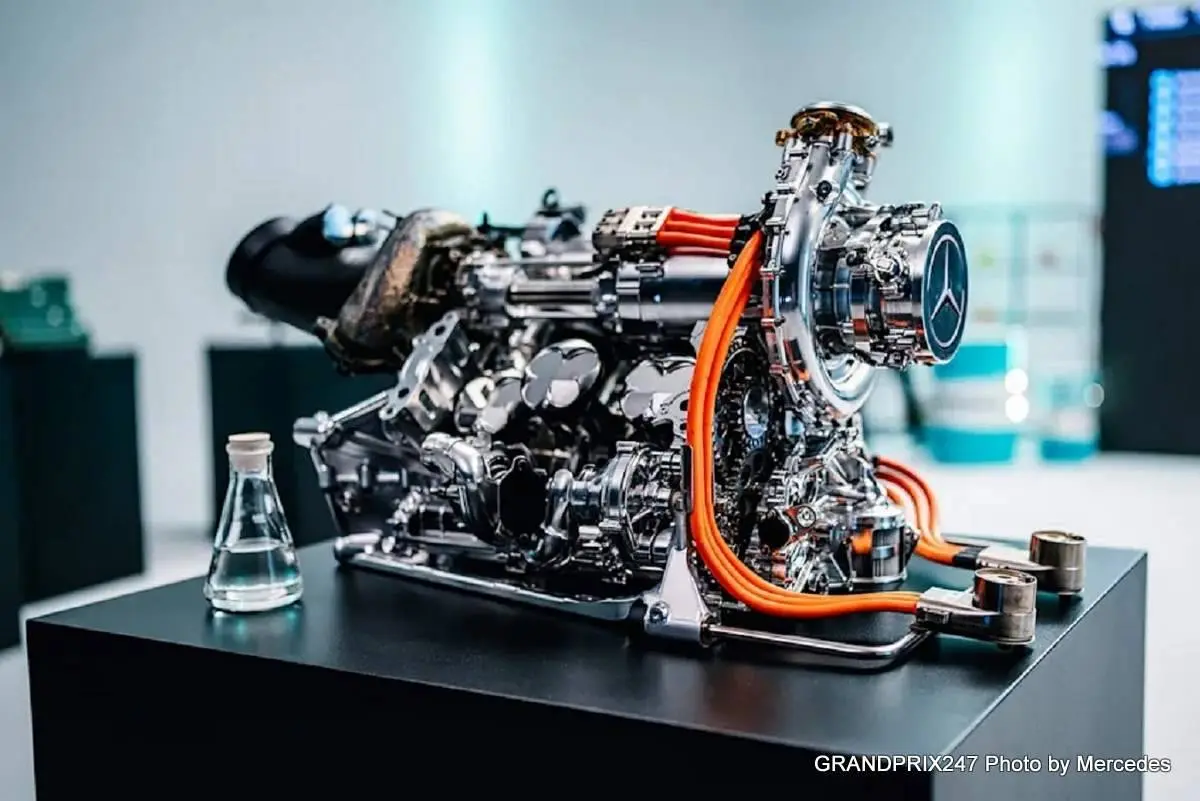
As the compression ratio row rumbles on under parc fermé scrutiny, Juan Pablo Montoya has dismissed suggestions that Red Bull and Mercedes are bending the rules, arguing instead that rival Formula 1 teams simply cannot make the same concepts work or have dropped the ball entirely.
The debate centres on whether thermal behaviour inside the power unit could alter compression ratios once the engine reaches operating temperature. For Montoya, that is not scandal. It is Formula 1 engineering.
Montoya was blunt: “What's wrong with that? You exploit the rules. Everything that you do, you exploit. I’ll give you an example; with the flexion of the rear wing. It says it can deflect by a certain amount.
“The question is, how you reach that, and where you deflect it to, it is best and most useful for you. That is where you make a deflect. If you make a deflect in a way that bends the rules, but passes the rules, it doesn't mean it's illegal. It means somebody's cleverer than you.”
For the Colombian, Formula 1 over the years has tended to reward innovation over imitation.
How to interpret the rules?

The compression debate centres on whether an engine designed at room temperature could behave differently once at full operating heat, effectively shifting ratios under load.
Montoya believes the outrage says more about those complaining than those being accused: “If somebody is smart enough to work out that if it heats up it can improve the compression to say 18:1 from 16:1 at room temperature.
"I can guarantee you the people who are complaining are those who have tried to do it but cannot make it work. The best way of preventing somebody doing something really clever is to accuse them of cheating because you can't. And that's the way everything works. It is how you interpret the rules.”
In Montoya’s view, if the concept passes regulatory checks, the argument ends there. Failure to replicate it does not transform innovation into illegality.
He also pointed to the approval process that underpins every design submission in Formula 1, insisting that nothing appears on track without prior scrutiny.
Montoya: Credit to Mercedes and Red Bull
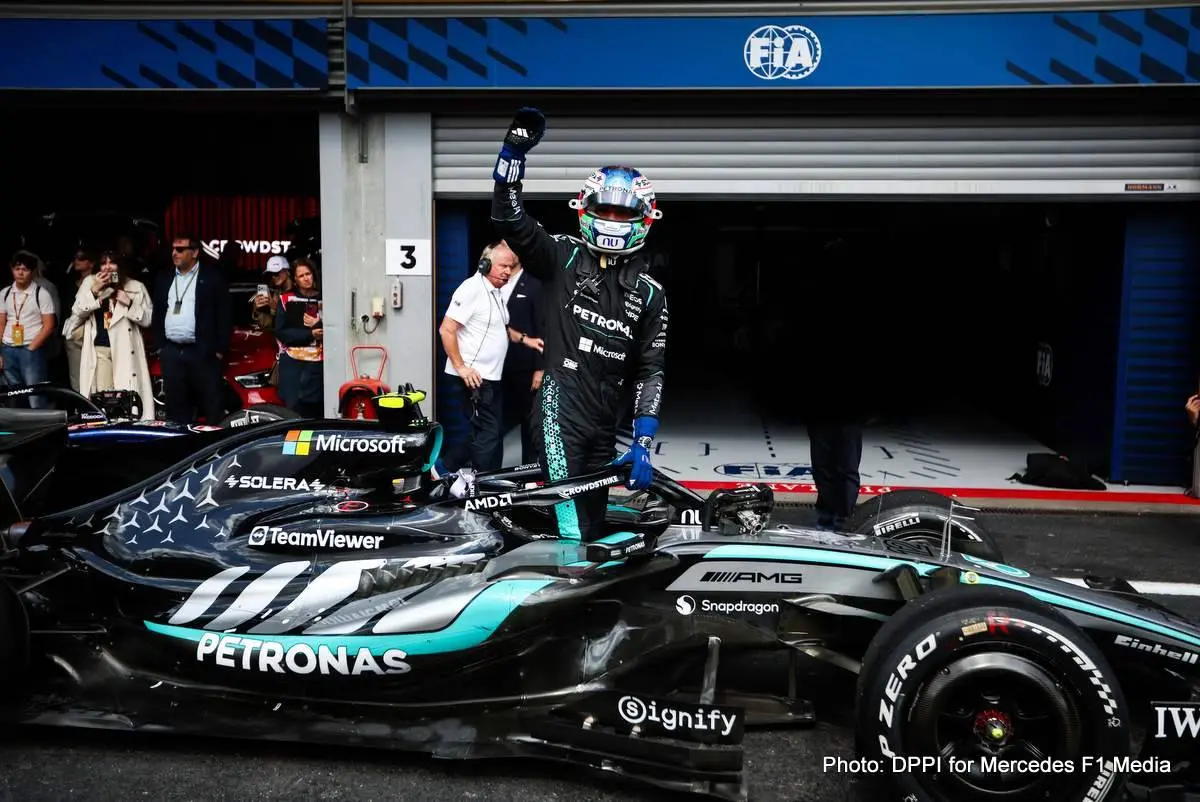
W17 straight out on track in Bahrain 👊 pic.twitter.com/wjgvWLJd3j
— Mercedes-AMG PETRONAS F1 Team (@MercedesAMGF1) February 11, 2026
Montoya outlined how teams engage the governing body before running new concepts: “This is how it happens when you come up with stuff. Normally, you go to the FIA and say, ‘This is our design, this is the material we're using, this is the stuff we're using, are you guys okay with that?’"
“And they look at the diagram, they measure everything, it says perfect, this is completely legal, and you go on your merry way. How do we know if it is actually happening? It could be people trying to create drama.”
From a technical standpoint, he underlined the precision required to manipulate expansion characteristics inside a combustion engine, which Montoya pointed out: “Can you imagine how clever you need to be and how delicate the calculations of the expansion have to be.
"At the end of the day, to change that, you either need the piston to grow or the connecting rod needs to grow. So, you need to control the temperature of the engine to know how far everything's going to go.
“It is pretty clever. Credit to Mercedes and Red Bull if they're making it work. And if somebody didn't make it work too bad. The only way it stinks is if you hire somebody that was building that from another team. It's great for F1 that people are talking about it!” added the seven-time Grand Prix winner.
With the FIA monitoring compliance and rival teams watching closely, Montoya’s stance is clear. In Formula 1, exploiting the rulebook is not cheating. It is the essence of competition.
Montoya interview made possible by Vision4Sport, who offer quality F1 Hospitality packages.


Latest News




Loading