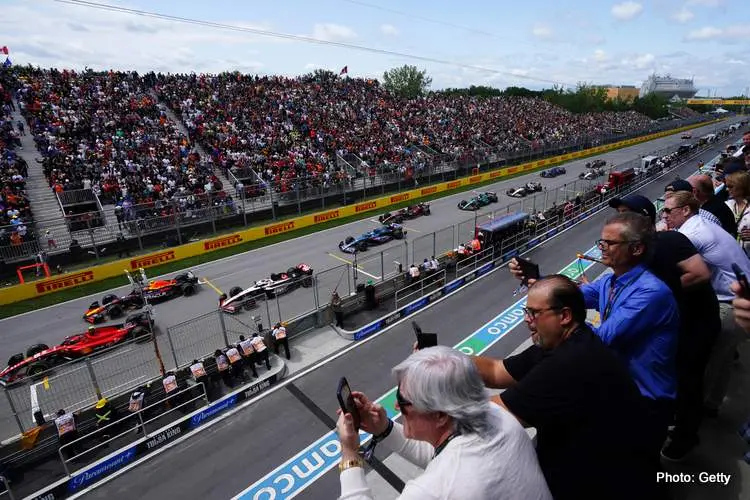
Formula 1 is a unique sport, filled with adrenaline and detailed storylines that make each year of racing worth tuning in for.
The sport is growing globally, with the 2025 Formula 1 season reaching a record-breaking 827 million fans and metrics showing a more diverse viewer base.
At first glance, the sport can seem overwhelming, with twenty different names on the grid, 10 conductors, not to mention the confusing radio messages and constantly changing rules. Once the basics of F1 are understood, the sport becomes one of the most exciting out there, with a mix of strategy and drama adding to the spectacle.
To many outsiders, Formula 1 is just twenty cars driving round a track at fast speeds, but there is much more to it. Behind the scenes, there are teams with hundreds of employees competing to create the most efficient cars and seamless performances.
The physical demands of Formula 1 are often overlooked, yet fans of the sport know it's one of the most demanding sports. This article is designed to break down Formula 1, listing its core elements and helping new fans better understand the sport.
How an F1 Race Weekend Works

There is a widespread misconception that the F1 is a one-day event with just one race to decide the winner; in fact, it is a multi-tiered weekend with multiple impactful elements.
During the build-up to the race, there are three practice sessions, during which teams can test new car components and gather data on tyre degradation and fuel consumption. Additionally, these practice sessions allow drivers to learn the track, detect braking zones, and find the optimal balance that may assist on race day.
Formula 1 has a qualifying format that takes place the day before each race, which can determine the grid order. The traditional qualifying format takes place on a Saturday, with three knockout stages: Q1, Q2, and Q3. Q1 will begin with all drivers participating, and the five slowest drivers will be eliminated after 18 minutes of active track time.
The ‘slowest drivers’ are determined by the fastest lap times, with no direct competition on the track against other drivers, so it is all about pace. For Q2, the next five slowest drivers will be eliminated after 15 minutes of track time, leaving 10 drivers up for contention for ‘pole position’.
The ten remaining drivers will compete for 12 minutes, with the driver with the fastest lap taking pole position. The drivers will be placed in ascending order by their lap times from the race the following day.
Some race weekends use a sprint format, which differs from the traditional qualifying setup: a short race decides the starting grid. Although the format changes, the traditional qualifying setup is not completely removed; it will take place before the sprint race in the same format.
On Sunday, the race will commence, with drivers competing for points.
Race Day Basics

On race day, there is more than just cars driving around a track; all tracks require at least one mandatory pit stop, and some require two. Pit stops provide teams with a chance to make small changes to the cars, utilising a different tyre type from their starting tyre, and to change race wings if they're damaged.
The number of laps in a race can vary from race to race, with races set to accumulate a distance exceeding 305km. This usually results in a lap count of 50 to 70, depending on the track, though the iconic Monaco circuit is an exception, being shorter and therefore often featuring more laps.
During races, a range of flags can be waved, each with a unique meaning. Key flags include Yellow, meaning no overtaking, Green, meaning race, Red, meaning session stopped, Blue, faster car approaching, Black, meaning disqualification, and Chequered, race finish.
In the event of danger on the track or in the run-off areas, a safety car can be deployed to lead the pack at a slower speed until the issue is resolved. This increases the safety of the sport whilst also allowing teams to implement additional strategies, such as pit stops for fresh tyres, without losing as much time as a regular pit stop.
The Teams, the Drivers, and the Championships

Ten constructor teams make up the F1 grid, each with two drivers, for a total of 20 seats. After each race, points are awarded to the top 10 finishers, with the race winner earning the most points and the rest filtering down from there.
At the end of the F1 season, the driver with the most points will be awarded the Drivers' Championship, crowning them the winner of the season. Additionally, there is a trophy for the team with the most points by the pair of drivers, which will award them the Constructors’ Championship.
The teams can change each year, with new names entering the sport, the most notable of which, as of late, are Audi and Cadillac, both taking over previous teams. Throughout the season, F1 teams can change their driving roster if needed.
Not only can these roster changes impact race results, but they can also change sports betting markets. Commonly, teams swap drivers in the event of injuries, although over the years, many have changed due to underperformance or financially costly drivers.
Latest News




Loading