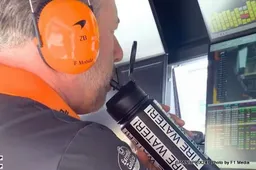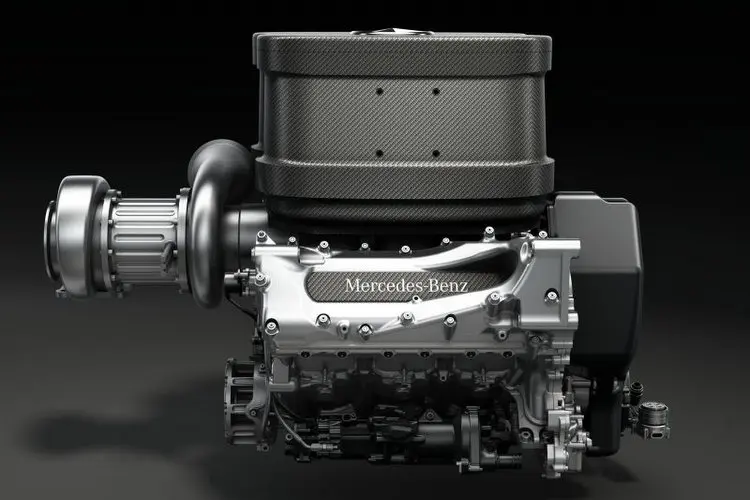
Mercedes boss Toto Wolff has now taken a different stance on the proposed last-minute regulation tweaks regarding the 2026 Formula 1 power units.
Wolff had earlier labeled the proposed changes to the 2026 power units that reduced the power input from the electrical component as a joke.
The 2026 F1 power units were supposed to deliver power equally between the Internal Combustion Engine (ICE) and the electrical component.
But doubts regarding the new units were raised back in 2024 by Red Bull boss Christian Horner and his star driver Max Verstappen, something Wolff played down at the time, accusing the Milton Keynes squad of pushing this narrative since their power unit program is in trouble.
The concern regarding the new power unit stems from the fact that the battery power will die out at the end of the straights on power-sensitive tracks, which brought the discussion to the forefront recently.
FIA president Mohammed Ben Sulayem put an option of having a naturally aspirated V10 engine running on sustainable fuel on the table, which was discussed in a meeting between the stakeholders over the course of the Bahrain Grand Prix weekend.
That meeting renewed F1's commitment to the new power units, but then there have been suggestions to reduce the power from the electric part, especially in races, to ensure the batteries have enough juice on the straights, which effectively means changing the power delivery ratio from 50/50 to 60/40.
The consensus in the F1 paddock is that Audi are struggling with their first F1 power unit program, while Red Bull Ford Powertrains are also having issues, while Mercedes appears to be in a good position, which explains Wolff's earlier strict refusal of any changes.
A new stance on the 2026 situation?

But it seems the Austrian has now become more flexible to change. He explained: "Obviously, the closer you come to new regulations, the more people act—all of us—in the interest of the team; that's their duty.
"Where we're coming from is we don't know how it's going to pan out next year. Are we going to see energy harvesting disasters in Baku or Monza? I don't know. We hope not.
"What we've signaled is that, rather than act now based on assumptions—like we've been great at in previous years and then overshot or undershot—you don't need to throw the hardware away and come up with something new—it's within the software and bandwidth of what you can do.
"We'll see the final product next year in testing. As a power unit manufacturer, we want this to be a great show. We want to win, but we are also aware that in the sport there needs to be variability and unpredictability," Wolff maintained.
Wolff commented on the early turbo-hybrid era when Mercedes dominated, insisting that he cares about the interest of F1 while having a competitive power unit bolted to his team's cars.
He added: "We enjoyed the years from 2014 onwards, but over a prolonged period of time, that's certainly not the best for the sport.
"I try to be very balanced between what is good for Mercedes, which I need to do, and what is the right solution going forward. We need to avoid these swings.
"The FIA proposed this engine. Nobody liked it," he pointed out. "The 50 percent electric back in the day was where road cars were going to and it was a reason to attract manufacturers like Audi and Porsche. So, we did that.
"It's difficult to change the goalposts, especially for the new ones. Honda recommitted, and Audi committed, and including us, they are not keen on changing those goalposts at this stage.
"But we need to be open-minded if necessary," Wolff concluded.
Latest News




Loading