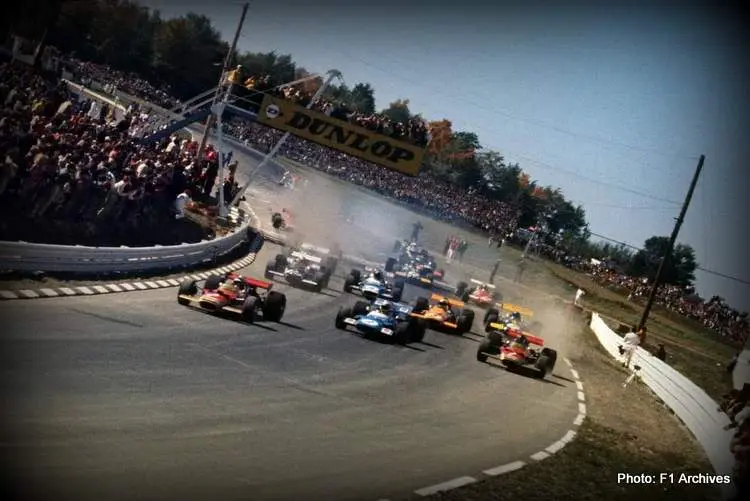
Before Miami, there was Watkins Glen — a great American track where Formula 1 visited on 20 occasions. Situated in the Finger Lakes region of central New York, at the southern end of Seneca Lake, 300 km northwest of New York.
Unique in the style of Road America, Mid-Ohio, Road Atlanta and even Laguna Seca, what differentiates Watkins Glen from those classic and iconic American venues is the fact that the track in New York State hosted Formula 1 for two decades.
For anyone who has followed Formula 1 since the 1970s, Watkins Glen will perhaps inspire awe — and a sense of mourning for a place that claimed the lives of drivers
This is the legendary story of Watkins Glen in Formula 1, long before Miami ever dreamed of hosting a Grand Prix. The era begins on the village streets of upstate New York.
In October 1948, Cameron Argetsinger — a young law student and passionate racer — organised the first postwar road race through Watkins Glen’s winding public roads. This Watkins Glen Grand Prix was a charmingly amateur affair, with sports cars careening between town buildings and along country lanes.
After several joyful years, tragedy struck in 1952 when a car hurtled off course and killed a 7-year-old spectator, Frank Fazzari. The village was devastated. Racing on public roads was banned, and Argetsinger, determined to keep motorsport alive, led the effort to build a permanent circuit outside town.
From Dream to Grand Prix Venue

By 1956, Watkins Glen opened a 2.3-mile purpose-built track, marking the end of the risky street races and the beginning of a new chapter.
With a permanent track in place, Watkins Glen set its sights on greater glory. Through the late 1950s, Argetsinger tirelessly promoted his beloved circuit, hosting Formula Libre races to prove its international appeal.
At the same time, Formula 1’s presence in America was faltering after unprofitable races at Sebring and Riverside. By 1961, organisers were desperate for a new home for the United States Grand Prix. Sensing opportunity, Argetsinger boldly offered Watkins Glen as the venue. In late August 1961, just six weeks before the race, Watkins Glen was unexpectedly awarded the Grand Prix.
When the inaugural United States Grand Prix at Watkins Glen roared to life on 8 October 1961, it felt like a festival. Around 60,000 fans poured into the rolling hills, creating a carnival atmosphere.
They witnessed Britain’s Innes Ireland take his only Formula 1 victory in a Lotus, while American Phil Hill — newly crowned World Champion — watched from the sidelines after Ferrari withdrew. Against all odds, the event turned a profit. Watkins Glen had found its place on the world stage.
Autumn Glory and the Golden Era of Watkins Glen

Throughout the 1960s and into the early 1970s, Watkins Glen blossomed into Formula 1’s autumn tradition. Each year, as the leaves turned golden, the world’s fastest drivers and tens of thousands of fans returned to the Finger Lakes region.
The circuit itself was a driver’s favourite — a fast, flowing ribbon of asphalt winding through the hills. The Esses, the long back straight, and later the addition of "The Boot" section in 1971 gave Watkins Glen a unique character. Drivers like Jim Clark, Graham Hill, and Jackie Stewart revelled in its challenge.
Watkins Glen also earned a reputation for offering the richest prize money on the calendar. By 1969, its purse surpassed all other races, luring full fields of top drivers and privateers alike. The Grand Prix Drivers’ Association honoured Watkins Glen as the “Best Staged Grand Prix” multiple times. It had become Formula 1’s second home — a season-ending celebration where world titles were often decided.
In 1971, the crowd erupted when François Cevert — a popular French driver — claimed his first (and only) Formula 1 win at the Glen. It was a golden era of racing, blending competitive spirit with a festive, almost familial atmosphere.
The Raw Edge: Speed and Danger
Yet beneath the autumnal beauty lay growing danger. As Formula 1 cars became faster and ground effect aerodynamics took hold, Watkins Glen’s ageing barriers and limited run-off areas became a serious risk.
In October 1973, tragedy struck when François Cevert lost control in the Esses during qualifying. His car hit the barriers violently, and he was killed instantly. Jackie Stewart, who had planned to retire after the race, withdrew from what would have been his 100th Grand Prix in silent tribute to his fallen friend.
The following year, 1974, saw another tragedy. Austrian rookie Helmut Koinigg was killed when his car crashed and submarined under a poorly installed guardrail. The back-to-back deaths exposed the track’s outdated safety measures. In response, a chicane was hastily added to slow the cars through the Esses, but the circuit’s reputation for safety was badly damaged.
Off track, Watkins Glen’s atmosphere grew increasingly unruly. An area called “The Bog” became infamous for drunken revelry, mud-pit car burnings, and all-night chaos. The once-wholesome gathering began to turn rougher, tarnishing the event’s image.
Final Laps and Farewell

By the end of the 1970s, Watkins Glen was struggling. Formula 1’s world was changing: new venues like Long Beach and Las Vegas promised glitz and glamour, while Watkins Glen began to look outdated. Teams and drivers voiced concerns about the track’s primitive facilities and deteriorating safety standards.
Despite this, Watkins Glen managed to host the 1980 United States Grand Prix, won by Alan Jones, who also secured the World Championship that day. But the end was inevitable. Financial troubles mounted as organisers defaulted on payments owed to Formula 1 teams. By spring 1981, Watkins Glen was dropped from the Formula 1 calendar.
Later that year, the organising body declared bankruptcy. After two decades of hosting Formula 1, the dream was over. Formula 1 had moved on — to shinier circuits and bigger cities — but Watkins Glen remained in the hearts of those who had lived its highs and lows.
After Formula 1 departed in the early 1980s, Watkins Glen faced a period of decline. The once-proud circuit fell into disrepair, and bankruptcy threatened to end its racing legacy altogether.\
Life after Formula 1 at The Glen

However, in 1983, the track found salvation when it was purchased and renovated under new ownership. Through extensive upgrades to safety standards and facilities, Watkins Glen was reborn as a modern road course.
Today known as Watkins Glen International, "The Glen" remains a cornerstone of American motorsport. It hosts major events such as the IMSA WeatherTech SportsCar Championship’s Six Hours of The Glen, NASCAR’s Go Bowling at The Glen, and various SCCA and vintage racing festivals. IndyCar also returned for a stint between 2005 and 2017, reaffirming the circuit’s enduring appeal.
Watkins Glen continues to draw passionate crowds, especially for its annual NASCAR weekend, which regularly sees attendance figures of over 90,000 fans across the event. The track's fast, flowing layout — little changed from its Formula 1 days — remains a favourite among drivers and spectators alike.
Now in the United States, it is the Grand Prix in Miami, Las Vegas and COTA. Though Formula 1 has never returned to the venue, Watkins Glen carved out a thriving second life, honouring its historic past while remaining a vibrant part of the American racing calendar.
Watkins Glen: A legendary but cruel Formula 1 venue

- 1948: Cameron Argetsinger organises the first Watkins Glen Grand Prix on public roads.
- 1952: Fatal accident during street race ends road racing; plans begin for a permanent circuit.
- 1956: Watkins Glen’s permanent 2.3-mile circuit opens.
- 1961: The venue hosts the United States Grand Prix for the first time; Innes Ireland wins.
- 1965–1972: Golden era; the circuit is recognised multiple times as the best-organised Grand Prix.
- 1971: Circuit expanded with “The Boot” section; François Cevert wins.
- 1973: François Cevert fatally crashes during qualifying.
- 1974: Helmut Koinigg killed in a crash during the race.
- Late 1970s: Track safety concerns rise; fan behaviour worsens with the "Bog" phenomenon.
- 1980: Final Formula 1 race at the track; Alan Jones wins and clinches the F1 title.
- 1981: Watkins Glen is dropped from the Formula 1 calendar and the Grand Prix Corporation declares bankruptcy.
Latest News




Loading