Next week, Formula 1 faces a critical decision over its 2026 engine rules: stick with the current 50/50 hybrid power split in races, or accept that it may turn Grand Prix races into energy management exercises rather than flat-out racing.
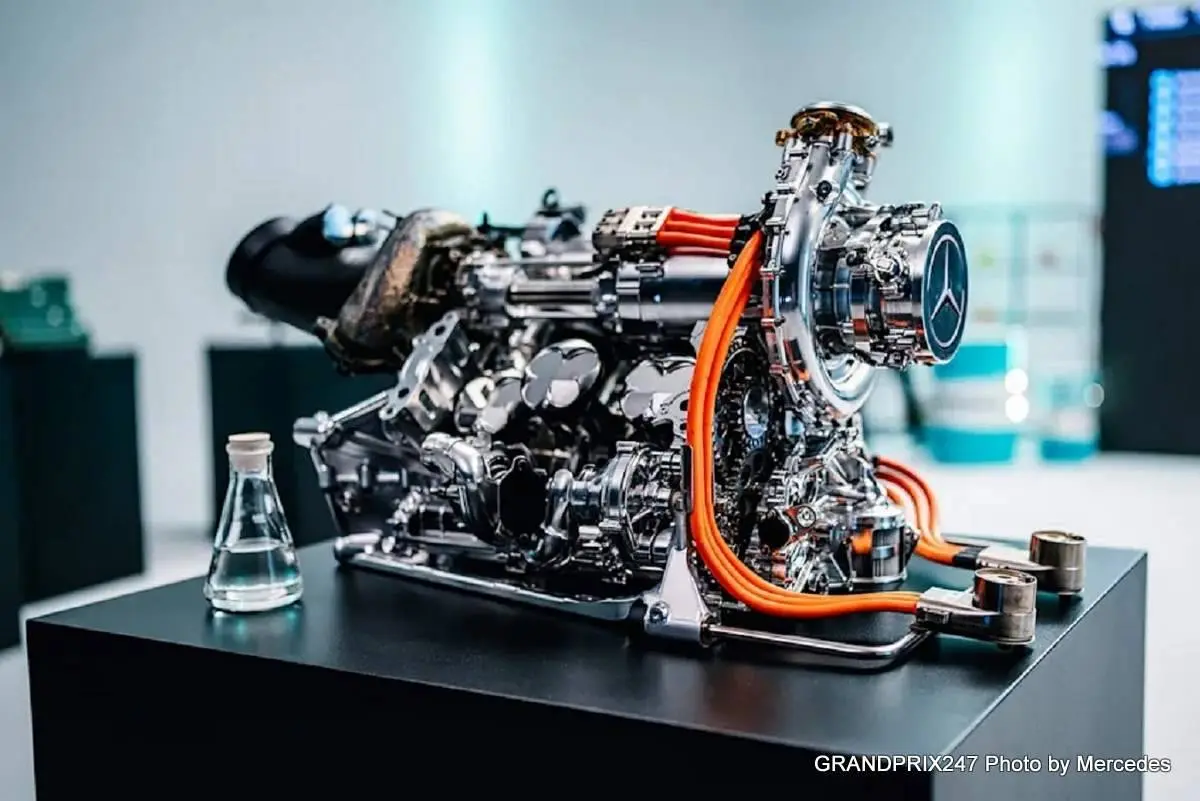
The Race report that next week’s FIA-hosted F1 Commission meeting will discuss a proposal to reduce the battery deployment allowance during races from 350kw to 200kw. On paper, that shifts the internal combustion engine (ICE) to battery ratio to 64/36, compared to the planned 50/50 in the current 2026 Formula 1 framework.
In qualifying, the 50/50 split would remain. But in race conditions, the aim is to extend the battery’s usable output across more of the lap, particularly on longer straights like those at Monza.
According to The Race writer Jon Noble, this isn’t just a technical tweak. It’s an admission that the original vision for 2026—more electric power, more efficiency—may not be sustainable for actual racing. Behind the scenes, teams and manufacturers have voiced concerns that on high-speed circuits, cars could run out of juice halfway down a straight. That’s not racing—it’s fuel saving.
The FIA has already tried to address this with a so-called “turn down ramp rate” to manage how quickly teams can deplete energy after corner exits. But that’s a sticking plaster. The proposed shift to a reduced battery deployment is a more fundamental rebalancing of performance expectations.
The ethos of Formula 1 will be tested

However, some manufacturers still believe the 2026 F1 package can work without these changes. But belief isn't enough. The spectacle—and integrity—of Formula 1 depends on cars being able to race flat out. A system that forces drivers to cruise and coast to preserve energy isn’t just frustrating—it risks losing the very essence of what makes F1 compelling.
Interestingly, the proposed reduction could actually enhance racing. By keeping the 350kw override button for overtaking, the delta between attacking and defending cars increases, potentially encouraging more bold moves—exactly what the sport needs.
Formula 1 got its current hybrid engine or Power Unit era right because it struck the right balance between performance and sustainability. The 2026 rules were meant to take that forward. But if that balance is off, the regulations must change.
There’s no shame in course-correcting early. Far better to tweak the system now than discover in two years’ time that the fastest cars in the world are lifting and coasting down the straights, a fuel economy run that defies the ethos of what Formula 1 is all about.
Latest News

Loading