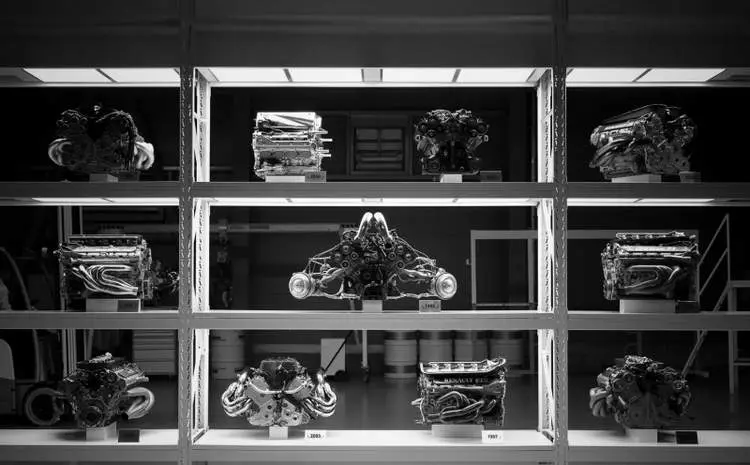
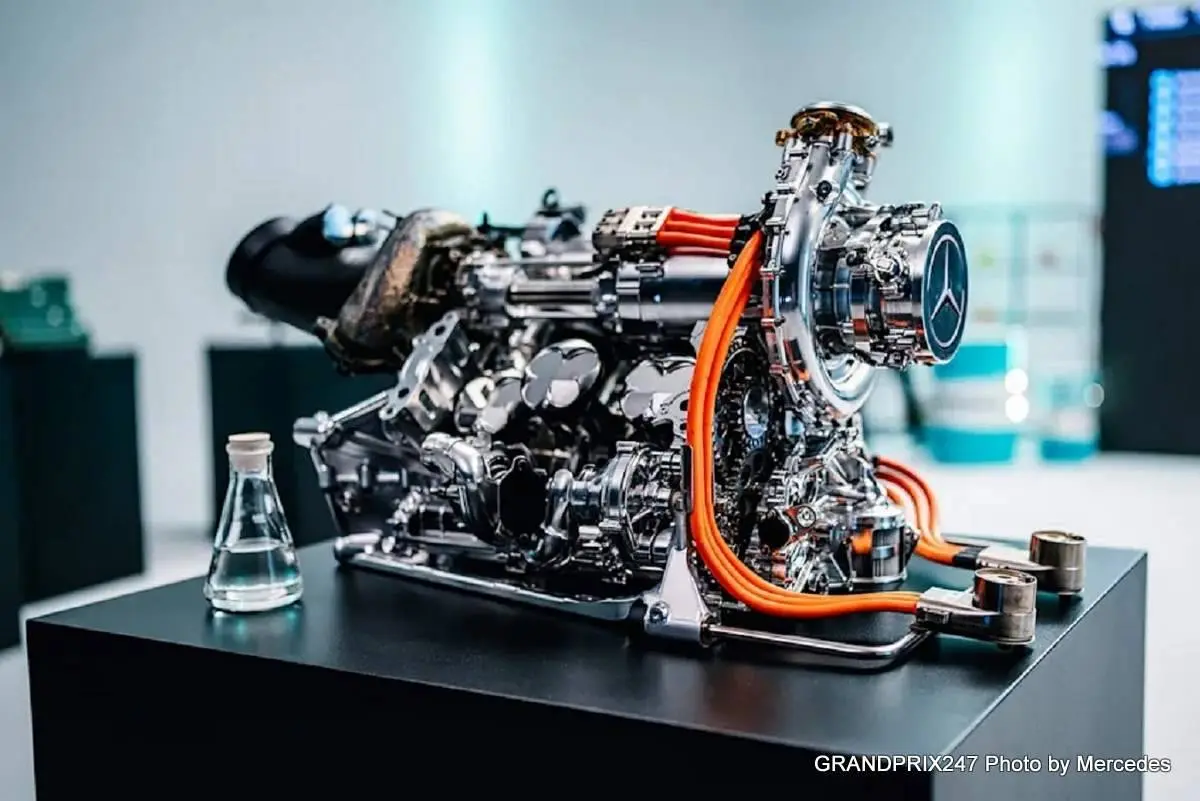
The FIA closed the curtain on Formula 1’s internal combustion engines (ICE) back in 2014 with the introduction of the 1.6-litre turbo hybrid power unit.
Their gazetted 2026 Formula 1 regulations will now go a step further with a 50/50 power split between the ICE and electric power. Or will they…?
To say that the FIA is now performing a volte-face on its own planned regulations will not come as much of a surprise. There has been a lot of mid-season regulatory tinkering in recent years, some of it regarding safety and some of it not. The safety element is applauded, and while the “not” bit is concerning, it is not the issue under discussion.
The good old days

For those following Formula 1 who never stood and heard the start of a Pre-hybrid Grand Prix live, you may wonder what all the fuss is about. However, the proliferation of videos on Facebook of pre-hybrid F1 cars with the imperative “turn the volume up full” says this is a thing.
For petrolheads, the note of an unsilenced engine is musical bliss. Manufacturers tune the engine exhausts and cabins of their sports cars to try and replicate the experience while remaining with the noise regs.
Tearful
Bernie Ecclestone initially lamented the arrival of the hybrid era saying they were too expensive (true) and that F1 without a screaming ICE was not Formula 1. His rationale was simple for the spectators: the thunderous cacophony that was physically palpable as they tore past was the heart of the F1 experience.
He was ignored, of course, and then, in what Parc Ferme presumes was an attempt at reverse psychology, declared F1 should go full electric, unfortunately for Bernie, that already existed in the shape of Formula E.
Cart before the horse

The argument presented at the time and still employed today is that Formula 1 should be relevant—relevant to the manufacturer’s development objectives of course. However, this feels like the tail is wagging the dog.
It’s the paying fans and public who keep the F1 money-go-round churning out the dollars. One would have thought retaining and entertaining them might be a tad more important, especially when you consider ticket prices.
A marketing opportunity?
Parc Ferme gladly welcomes the FIA President’s brave initiative to allow the return of the ICE. Something sports car manufacturers may also welcome. Whilst ICEs are a dead duck for powering most of our future personal transport needs, the small but lucrative fraction of high-end sports car clients will still covet and demand their sound.
A return of the ICE for Formula 1’s next generation of PUs, running on sustainable fuel, ticks the green box. It may also help to alleviate a safety and regulatory issue regarding the number of slow-moving vehicles on track during practices and qualifying.
Ironically, it would also mark a return to Formula 1’s roots of relevance, showcasing high-end sports car engines for a niche and aspirational clientele. What do you think Bernie?
Latest News
Loading