McLaren to suffer most with new flexible F1 rear wing rule?
F1 Drivers NewsThursday, 20 March 2025 at 08:02
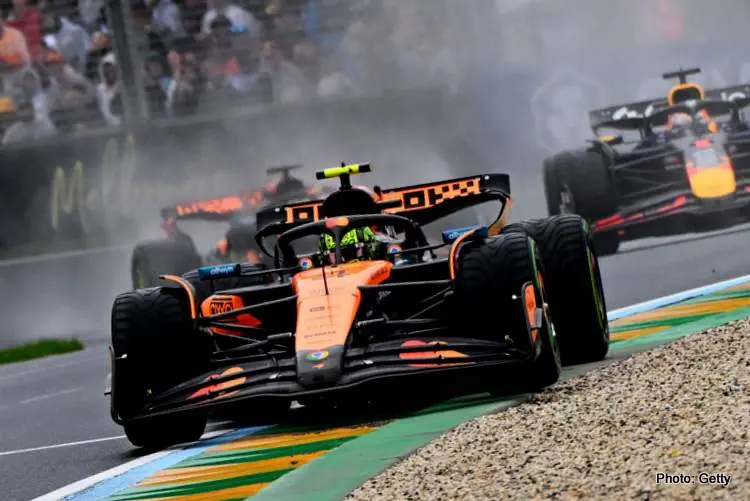
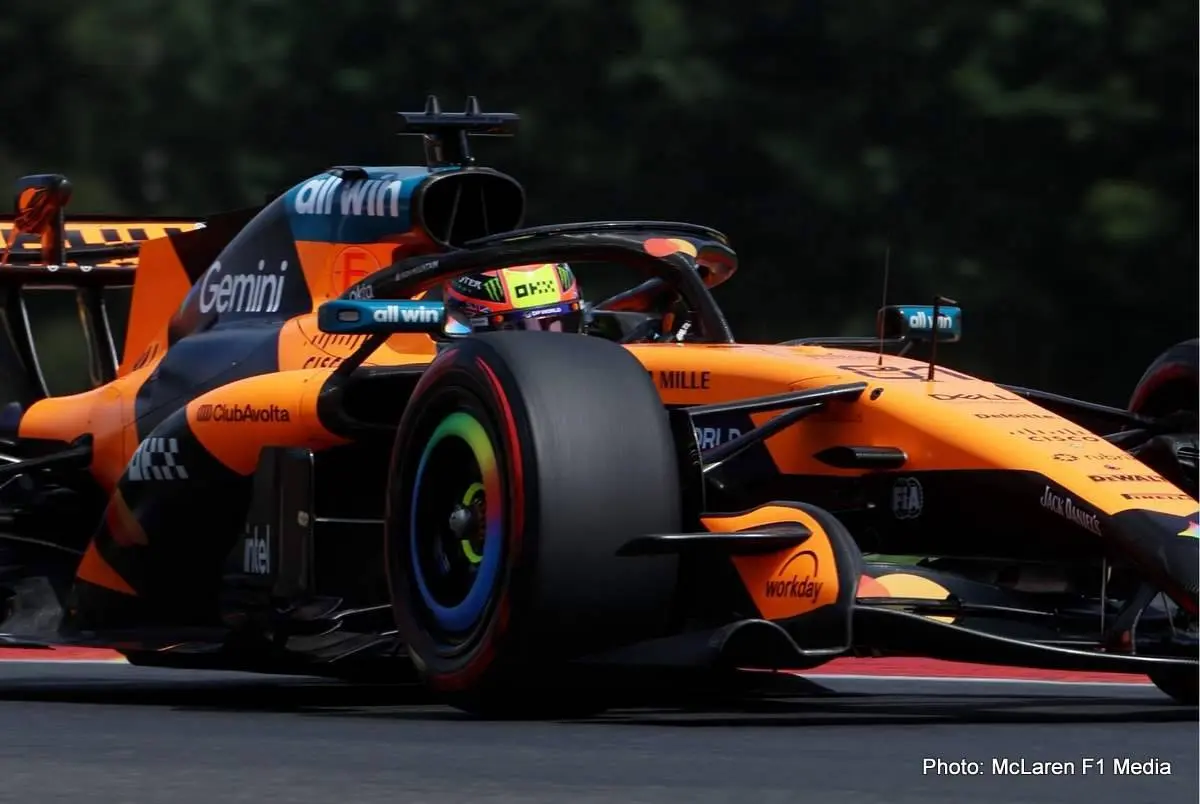
The Chinese Grand Prix could determine whether McLaren’s early-season dominance will be curtailed by the FIA’s new directive on flexible rear wings, with concerns that Lando Norris and Oscar Piastri will be among those most affected by the rule change.
McLaren emerged as the team to beat at the 2025 Formula 1 season opener in Australia. They secured a dominant front-row lockout in qualifying and looked poised to convert that advantage into a one-two finish in the race. However, a combination of tricky conditions and relentless pressure from Max Verstappen saw Piastri’s home race unravel when he slid off the track, costing him a podium finish.
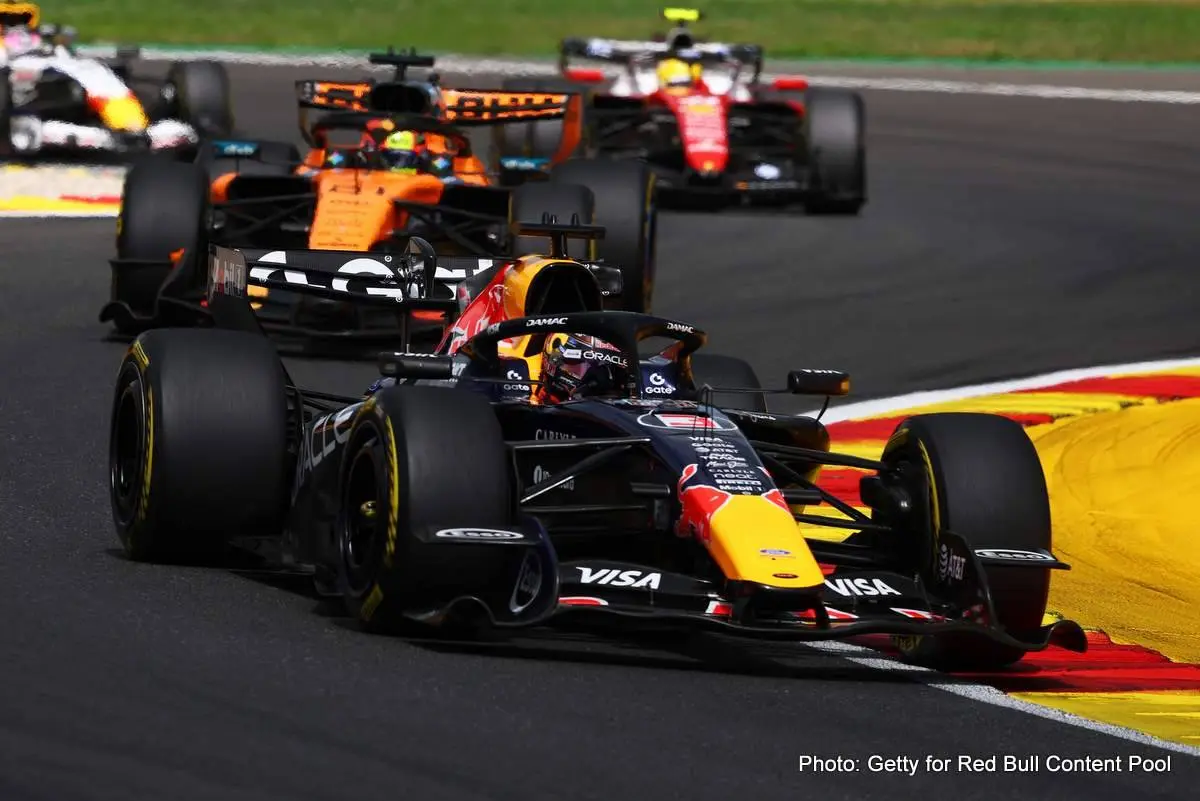
Statistics suggest McLaren held an advantage of over half a second per lap in qualifying and double that in race trim. Only Verstappen’s racecraft has prevented them from running away with the championship early. However, the FIA’s rear wing clampdown has raised questions over whether McLaren’s performance edge will be diminished.
Herbert: FIA clampdown targets flexing rear wings

Johnny Herbert believes the FIA’s intervention was necessary, explaining how McLaren’s rear wing was exploiting flexibility to generate straight-line speed gains.
“McLaren had a lot of issues with the rear wing falling backwards," Herbert said. "This is about the gap, which is the main plane, the big thick bit, and then the DRS flap. It's that gap that's moving, and basically, they still have this epoxy tooling block that fits in. This is the standard thing with the FIA requirement. That's where the 75kg is then tested."
He explained that the flexing rear wing increased the DRS opening, providing an advantage: “There’s a very thin edge at the back of the wing, called the trailing edge, and it's that which is obviously flexing around. What that does is the DRS flap goes from three millimetres and then opens up to about 50 millimetres or whatever. There's a big gain.
“This flex may seem small, but it’s a performance gain. It could be giving a kilometre per hour gain, for example, and in a racing situation, it’s harder to pass something that’s going one kilometre faster than you are. It’s more efficient, it creates less drag, and the car goes faster in a straight line.”
The issue came under FIA scrutiny in Australia, leading to tighter controls on the permitted level of flexibility.
“If there is an advantage down the straight from this wing, they’re gaining that advantage, and that’s what they will look into. Then they will have a word with the FIA, and the FIA will look into it, which is why the cameras were put on the cars in Australia,” Herbert explained.
F1 Rules should be inflexible

He continued: “If they’ve deemed it to be an issue, they’ll tighten up that loophole, so to speak. Instead of allowing three millimetres, they could reduce it to nothing—no flexibility at all. If you reduce it to zero, the lack of gain means it’s not worth doing. They might gain half a millimetre or a millimetre, but that doesn’t do anything. They’re just controlling it so much more.”
Herbert noted that McLaren had been under scrutiny for similar flexing issues last season, he added: “It did come up with McLaren last year, so it has been looked at before. I think the FIA, with their checks in Australia, have now said: ‘OK, we’ve given you 20 millimetres, we’re now not going to give you anything.’
“Whenever you read the rules, there’s never supposed to be any flexibility, but you can’t make anything completely and utterly rigid. It’s impossible. But what they can do is try and tighten up those little performance gains.
“Does it make any difference to the show? Potentially, because one team may be able to benefit more than another. The other teams will try and close that loophole to stop that team from gaining an advantage. This time around, it’s McLaren.”
Herbert believes McLaren’s rivals were quick to apply pressure to ensure a clampdown: “It’s a typical situation: other teams are trying to stop someone having an advantage over them, full stop. Is it the right thing? I don't have a problem with it being tightened up.”
Reflecting on Norris’s victory in Melbourne, Herbert was impressed by how the Briton handled the pressure from Verstappen: “Fundamentally, Lando Norris showed the strength that I think we all wanted to see, coming out of the blocks in the first race of the season.
"It is a very important time, where the championship can be won or lost. He capitalised when they both went off the circuit. Obviously, Oscar Piastri lost a lot of time getting stuck on the grass and eventually finished ninth.
Herbert: Lando didn't put a foot wrong

“Lando didn't put a foot wrong. He was under pressure from Max Verstappen. But at the end of the day, he beat Max,” Herbert said of the fellow Englishman's fifth F1 victory.
For Herbert, Norris’s composure throughout the weekend was notable; he continued: “What struck me was how much Lando has matured. In the past, he has got high-pitched and very excited. In Melbourne, he was very, very calm in that cockpit. And he was calm all over the weekend. That shows maturity compared to what we saw last year.
"I think it was a perfect result and perfect timing. McLaren started as they needed to—being the strongest and fastest and then actually not throwing it away. Lando is showing signs that Max has really got a fight on his hands," reckoned Herbert.
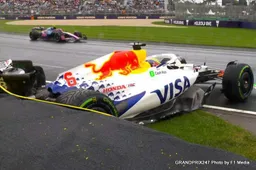
Piastri’s home race disappointment was put into perspective by Herbert, who pointed out that even experienced drivers struggled with the tricky conditions: “You can’t blame Oscar for going off the track—even the experienced Alonso crashed.
“It was very important for Oscar Piastri, yes, to just get himself back into the race itself. You can't blame him for going off like he did. It was tough out there, and no one knows, until they've actually driven one, what these cars are like. They are such beastly little things."
Herbert: It was a very strong showing out of the blocks

Herbert highlighted how crucial it was for McLaren to avoid a late safety car, which could have allowed Verstappen back into contention: “It was very important not to have a safety car because that would have only closed up the pack again and thrown Max Verstappen back into the mix.
"From McLaren's point of view, it wasn't the perfect one-two that they were expecting, but they showed that they have the car they need to capitalise early in the season and get as many points as they did.
“Although Oscar made that mistake, he got back in and he did get some points. They know that they have the tools to control this championship and eventually dominate it and win both the constructors’ and the drivers’ championship. It was a very strong showing out of the blocks, which is exactly what Max did last year," ventured Herbert.
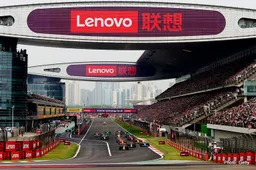
With the FIA tightening rear wing regulations, the Chinese Grand Prix will provide the first real indication of whether McLaren will suffer as a result. If Norris and Piastri find themselves struggling to maintain their Melbourne advantage, it may confirm suspicions that the team’s straight-line speed gains were derived from the flexibility now outlawed.
As F1 heads to Shanghai, all eyes will be on whether McLaren’s blistering start to 2025 was a sign of genuine pace—or an advantage that has now been neutralised. For now, only Verstappen is close, the rest are chasing further behind.
Latest News

Loading