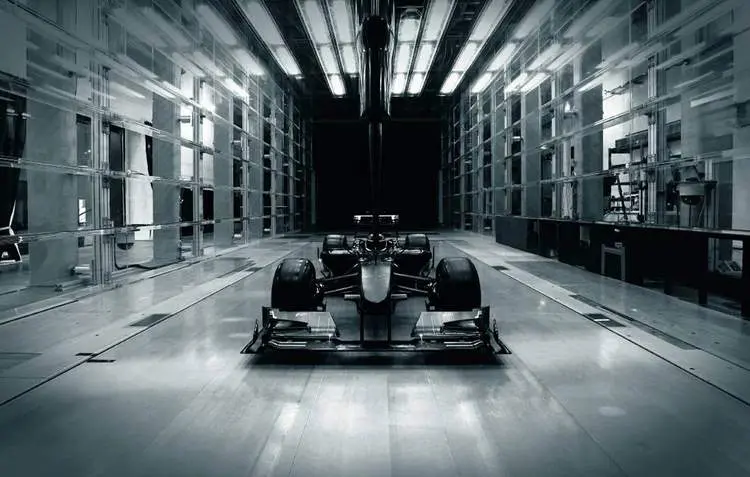
Formula 1 has been the crucible for technological innovations since its early days, always pushing the boundaries of automotive engineering and racing.
As 2030 draws near, a number of key developments are looming on the horizon that promise to rewrite the rules in performance, sustainability and fan experience.
The evolution of Sports Betting in Formula 1 over the years has resulted in predictive technologies making their mark in the evolution of sports betting in F1 and modern punters now have more developed analytical tools to research the drivers' performance, teams' strategy and even track conditions for making wiser bets.
This evolution is making the experience of betting all the more interactive and data-driven for enthusiasts around the world and the presence of real-time data and advanced predictive models will attract a wider audience, further interlinking technology with the world of sports betting.
You can visit betbrain.com and similar platforms to see the evolution of this technology and its impact in real life.
Aerodynamic Car Design
First, F1 is highly related to aerodynamics, affecting speed, car handling and overall performance. Looking at the year 2030, you are likely to see some real innovations regarding this, such as active aerodynamic systems with dynamic changes in real-time to optimize airflow and downforce depending on the track conditions.
While offering advantages in car performance, these will simultaneously ensure increased safety and fuel economy in a sport wanting to go in the direction of sustainability and competitiveness. Considering continuous changes in aerodynamics, new benchmark standards will continuously raise the bar as far as car design is concerned, ever pushing the boundaries of what's possible on the track.
Sustainable Formula 1 Power Units
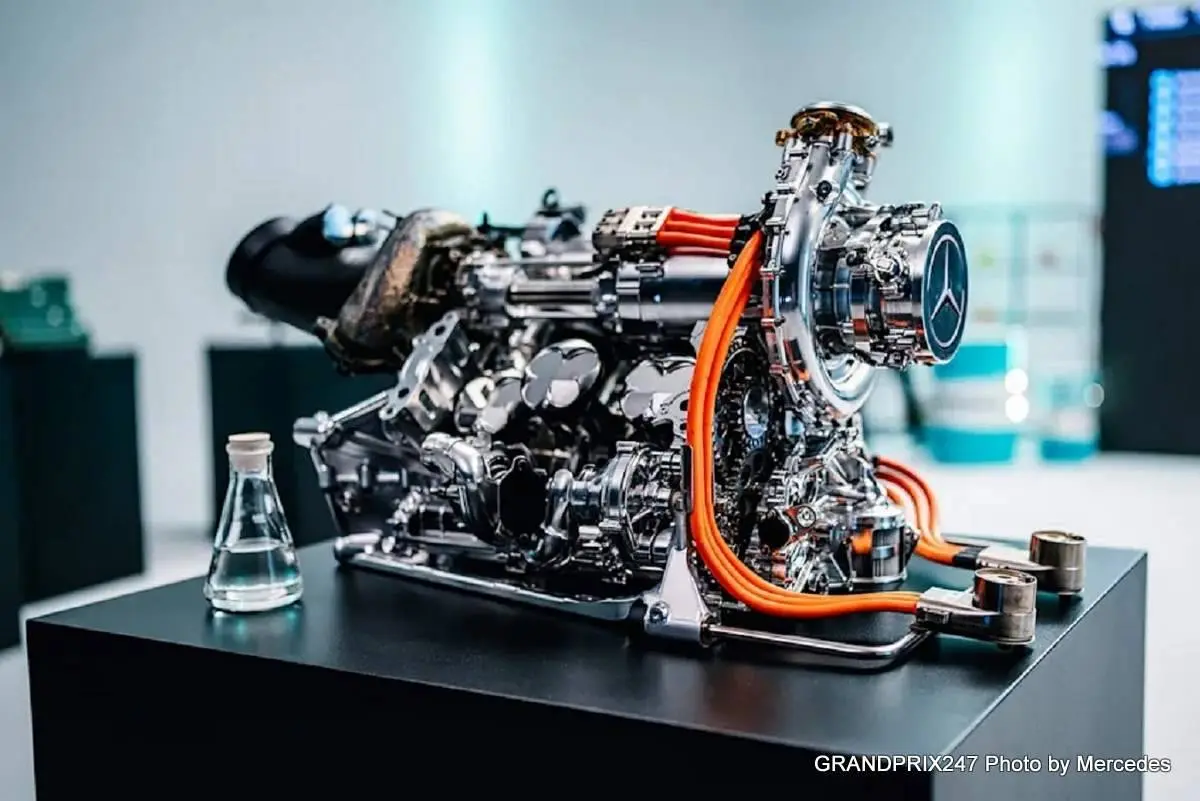
F1 is committed to a net carbon-neutral output by 2030, for which the major shift will be toward sustainable power units: developing and integrating hybrid engines with traditional internal combustion combined with electric propulsion and using 100% sustainable fuels.
These work in maintaining high performance while taking the biggest cut in environmental alteration, hence acting as an example for the general automotive sector. This introduction of greener power units reflects F1's commitment to environmental care and its leadership in the greening of motorsport.
Data Analytics For Formula 1 Race Strategies and Performance
Data analytics now play an exponentially expanding role in Formula 1, with teams being provided really critical insights on car performance, driver behavior and race dynamics. Further, through appropriate technologies in place, even real-time analysis can happen strategizing and enable predictive maintenance, as early as around 2030.
Stronger data analytics have and will continue to enable teams to make smart decisions quicker, perhaps finally breaking up the sport's competitive order. Artificial intelligence and machine learning algorithms have been hailed as the next step in refining data interpretation and making more accurate, successful race strategies.
Artificial Intelligence For Decision-Making
Artificial Intelligence will mark one of the cornerstones of F1's operations: helping predict race outcomes or optimizing decisions given large amounts of information such as weather changes, degradation of tyres and competitor strategy for competitive advantage.
It will make it possible to design more efficient plans for races considering ever-changing circumstances. With each day passing, it might have a major effect on the procedure of decision-making within the teams leading to total efficiency improvement or track performance.
Live In-Play Betting
The spectator experience increases with the addition of real-time data. In-play betting, during the running of a race, for instance, is one of the fastest-growing areas. This immediacy brings a completely different level of thrill and interactivity to the experience of the fans; now, with every unfolding second, the spectators can immediately adjust their bets for whatever they see is likely to change their outcomes.
This will, of course, be about the real requirement for instantaneous data feeds and analytics that would create such dynamic, active participation. And by all indications of technology further evolving, it is expected that in-play, live betting will only continue to do so toward enhanced immersion and ultimately more fan engagement and enjoyment.
Machine Learning Models to Improve Formula 1 Race Predictions
The machine learning models in development will improve the accuracy of race predictions for both teams and bettors. They process historical data, metrics of the ongoing season and many other variables to predict the result of a race with increased accuracy.
Continuous refinement of these algorithms will make Formula 1 predictions more reliable, influencing strategic decisions on and off the track. The use of machine learning in predictive analytics will forever change how teams prepare for races and how fans will consume the sport by betting on its outcomes.
Virtual and Augmented Reality
That will gradually change as VR and AR technologies will slowly revolutionize these areas in spectating and increase the possibility of bringing them ever closer to F1 action. Consequently, both new and seasoned could enjoy more enhanced delights because of the emerging VR/AR technologies providing options that let them interact: virtual pit tours and driver eyesight, fun, engaging bets interaction.
In sum, they improve in their levels to attract a captive audience for broad-based consumption through VR/AR technologies.
Latest News



Loading

