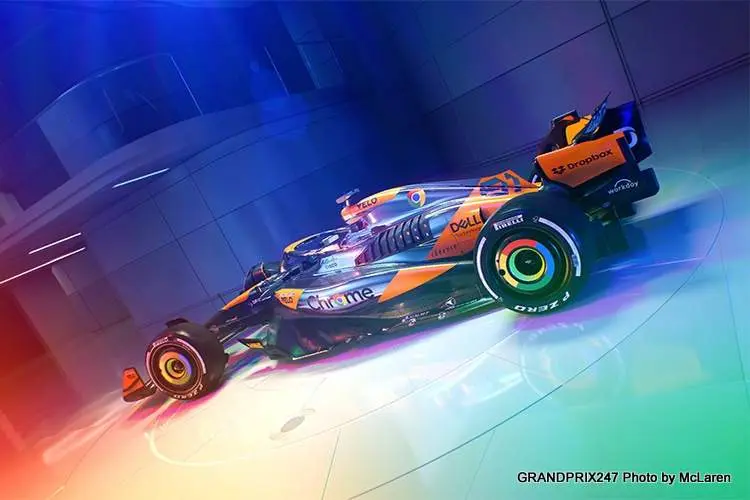
The 2024 Formula 1 season has reached its climax, with McLaren emerging as a formidable force in both the constructors' and drivers' championships.
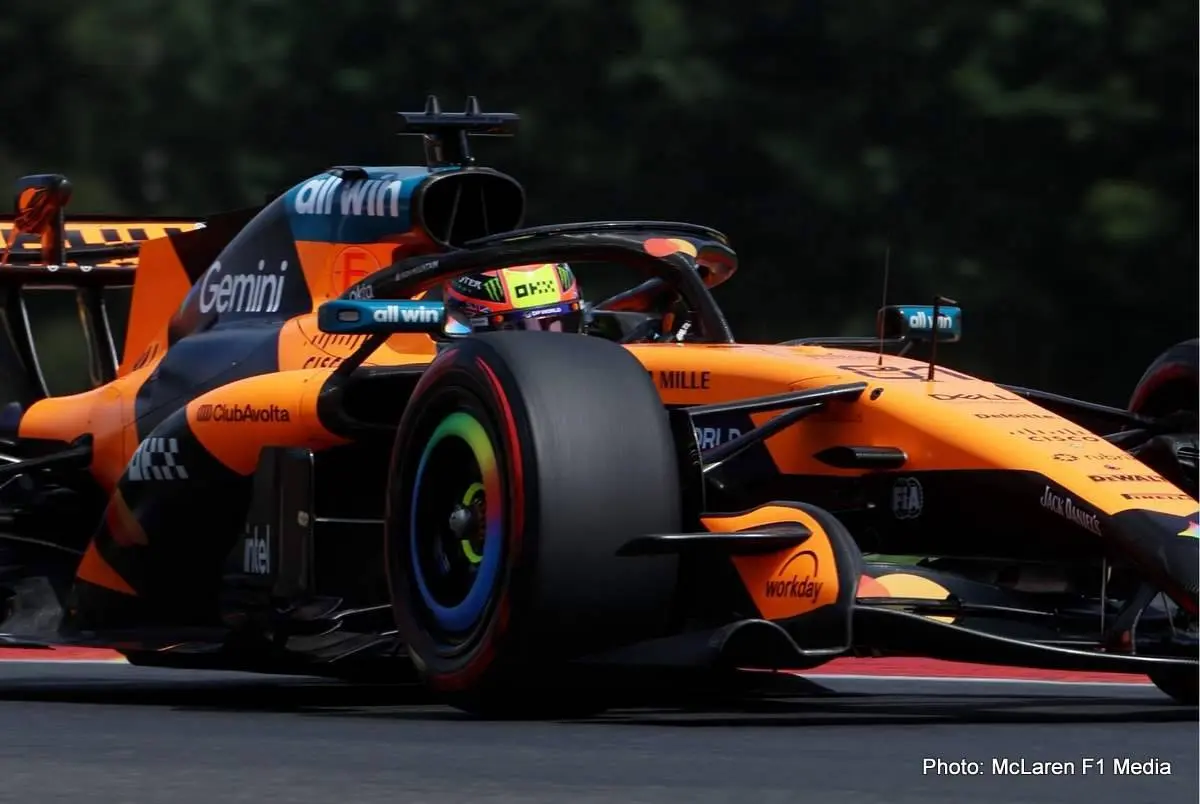
Lando Norris, piloting the McLaren MCL38, is locked in a thrilling competition with Max Verstappen for the coveted F1 drivers' title. However, the fight for supremacy extends beyond the driver's seat.
The battle for dominance is equally intense in the engineering rooms, where teams are constantly pushing the boundaries of innovation.
McLaren team principal Andrea Stella has been hinting at these changes for some time, and now seems the right time to take risks.
While rivals have been eagerly chasing downforce gains through the campaign with a multitude of new floors, firstly; Aston Martin's performance began to decline after introducing a significant upgrade at Imola, which did not deliver the expected results.
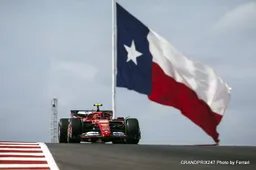
Ferrari struggled with a resurgence of high-speed bouncing, first observed at the Spanish Grand Prix, signaling unresolved aerodynamic issues.
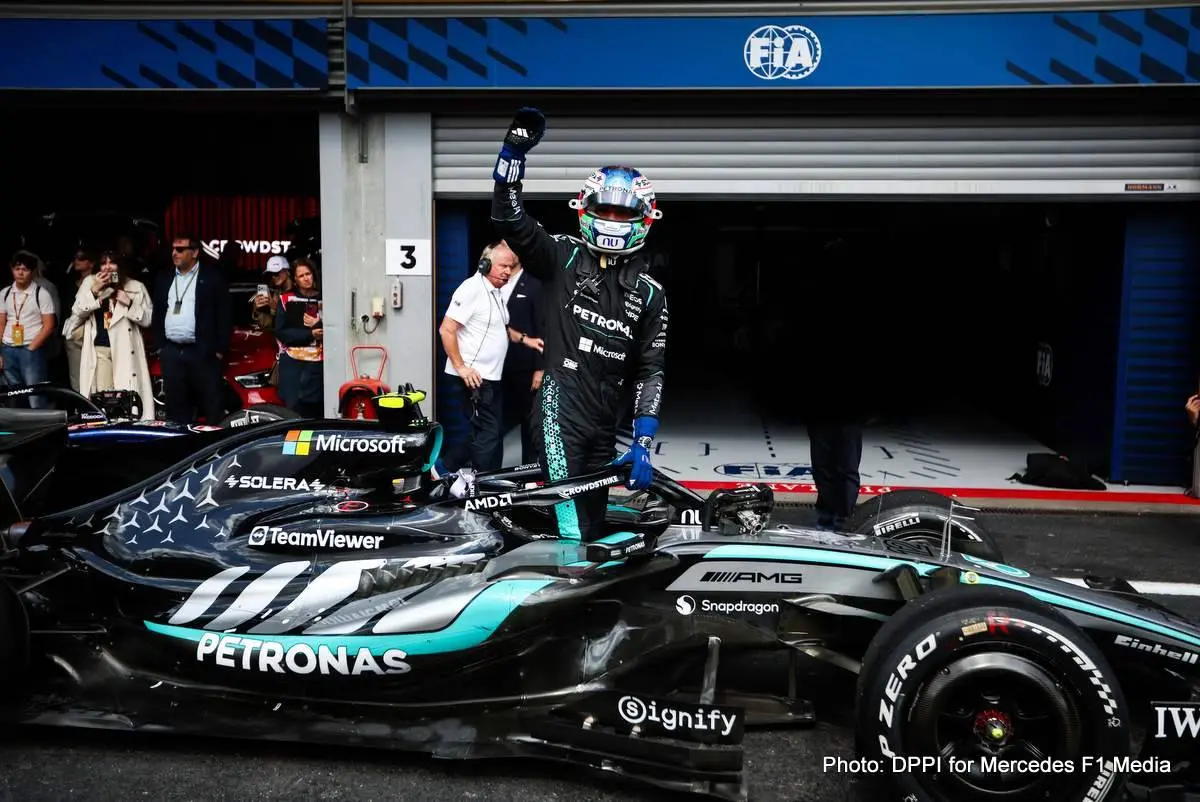
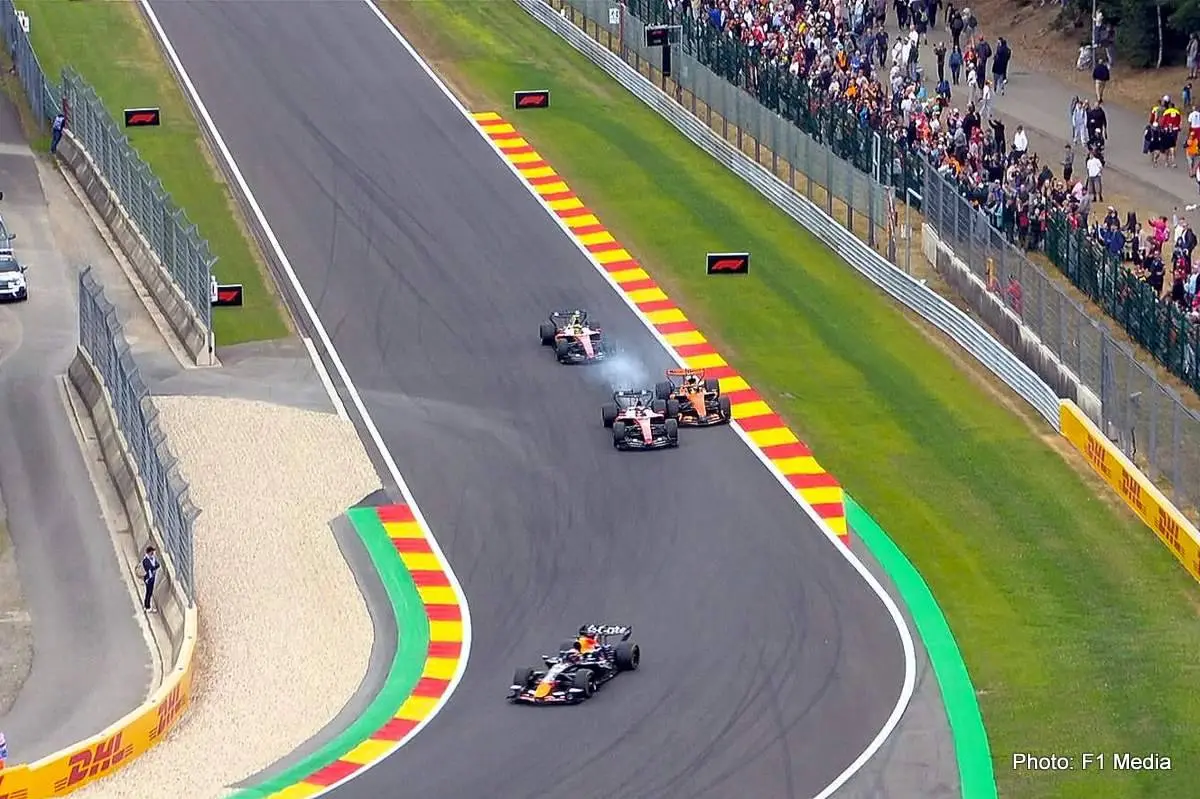
Similarly, Mercedes faced uncertainties about the effectiveness of its upgrades introduced at Spa, with inconsistent results across different tracks.
Red Bull has also raised concerns about whether the balance issues it encountered are linked to the floor design implemented since the Emilia Romagna Grand Prix. This upgrade may have altered airflow management in unintended ways, affecting the car's overall stability.
These setbacks highlight how even the most advanced teams can face challenges when introducing mid-season changes, as any shift in aerodynamic performance can disrupt the delicate balance required for peak competitiveness.
F1 floor break down

Delving into how floor modifications impact an F1 car's performance, let’s break it down. The six primary components of an F1 floor include Venturi tunnels, diffuser, skid blocks (planks), edge floor elements, front floor fences, and underfloor strakes.
Venturi tunnels: The operating principle of the floor is the Venturi effect. It is a phenomenon where fluid pressure decreases as its speed increases. It occurs when air flows through a narrow space (like the tunnels under the car), causing it to accelerate and drop in pressure. This "suction" effect pulls the car closer to the ground, providing more stability at high speeds.
Diffuser: Positioned at the rear, the diffuser expands the fast-moving air exiting from underneath the car, lowering pressure and enhancing stability through corners. It also smooths the transition of airflow to minimize turbulence behind the car.
Skid Blocks: Titanium skid blocks on the floor protect it from grinding against the asphalt. They generate sparks when scraped, which not only looks spectacular but also indicates the extreme forces at work on the car's floor.
Edge Floor Elements: The outer sections of the floor feature small aerodynamic structures, such as strakes and fences, to help direct airflow away from the tires and maintain consistent downforce.
Front Floor Fences: These vertical elements at the floor’s leading edge manage airflow entering the Venturi tunnels. Proper alignment of these fences is essential for maximizing the efficiency of the ground-effect system.
Underfloor Strakes: These fins further shape airflow through the floor to optimize the performance of the diffuser and prevent air from separating, ensuring consistent aerodynamic pressure throughout.
The floor and diffuser of an F1 car are essential aerodynamic components, responsible for generating up to 60% of the vehicle’s total downforce while minimizing drag compared to elements like the front and rear wings.
Their efficiency lies in the way they harness ground-effect aerodynamics, optimizing airflow beneath the car to create suction without excessively increasing drag.
This allows the car to remain stable through high-speed corners while maintaining straightline performance. This efficient downforce generation is what makes them indispensable in the quest for competitive lap times.
The expansion ratio of a diffuser, which is the relationship between its inlet and outlet areas, stands out as a crucial element in its design. This parameter plays a vital role in optimizing airflow, significantly influencing the aerodynamic efficiency of the car. An ideal expansion ratio can enhance downforce while minimizing drag, making it a game-changer on the track.
It's all about the balance

The balance between these two forces is what keeps teams striving for that perfect design, driving the excitement in the relentless pursuit of performance.
A simplified equation that captures the impact of floor changes on an F1 car’s performance.
Optimized floor design = more ground effect = increased downforce = better cornering grip = improved lap times = higher ride-height sensitivity = increased risk of porpoising if not managed properly
There are many complexities involved in maximizing performance within the realm of aerodynamics while ensuring compliance with FIA regulations.
It will be exciting to see what changes McLaren brings this weekend as they push to maintain momentum and close the 52-point gap between Lando Norris and Max Verstappen.
With only a handful of races left, every adjustment, whether refining the floor design or further optimizing aerodynamic balance, will be critical.
McLaren’s strategic approach has paid off so far, and the team’s ability to maintain consistency while extracting maximum performance from each upgrade will be pivotal.
As the battle for both the constructors’ and drivers’ championships tightens, the engineering brilliance showcased in these final stages will not only shape the results of this season but also set the tone for next year’s developments.
(Opinion piece by GrandPrix247 reader: Bushra Gul)
Latest News



Loading