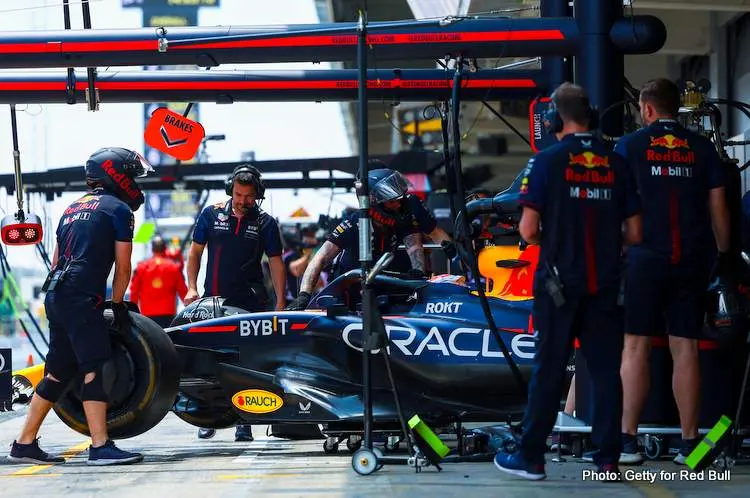
Formula One racing has forged massive popularity and continues to do so as it attracts younger fans, many of whom idolize the likes of Fernando Alonso and Charles Leclerc. For companies that wish to build their racing teams, there are incredible opportunities as well as difficult challenges lying ahead.
The process of building a Formula One team from the ground up isn’t simple, and involves putting the right people together, creating a well-structured business plan, and building networks with possible financiers.
Most of all, it requires considerable investments in terms of time, money, and effort. Your success is further determined by how well you combine and use these things. Here’s a guide to give you an overview of what it entails:
1. Building a solid Formula One business plan
An F1 team is much like a new business. It has to have a solid purpose and a set of goals. It should have a clear brand identity, one that fans could recognize when your team enters prestigious events like the Circuit de Monaco. Your business plan should also include possible sources for funding every other team component, from the personnel down to the materials.
That’s notwithstanding the $200 million entry fee required to join races. An initial investment will cost you hundreds of millions of dollars and you might not have that kind of money to begin with, especially if you’re already a millionaire. Your best bet would be to attract investors and strike up sponsorship deals.
2. Acquiring the vehicle and infrastructure
F1 cars are designed to withstand significant amounts of drag as they reach top speeds of 200 mph. This would explain why the average F1 unit costs more than $10 million and that’s just the car alone.
Some F1 teams invest a lot in heavy machinery to manufacture their parts instead of buying from vendors. Others go so far as to build massive factories or workshops complete with pneumatic air lines and extraction systems. If you take all these extra components into account, you could spend more than the initial $10 million to acquire an F1 car.
3. Hiring the right people
When it comes to human resources, your focus shouldn’t always be on recruiting a good driver. You also need other people who can provide technical and administrative support. For that, look for mechanics and engineers who are skilled in racing science.
Aside from a factory and design team, you also need a logistics team responsible for transporting the vehicle and a pit crew. It’s also important to form a medical team to oversee the well-being of your driver. Supply them with materials such as Synmax gloves, diagnostic equipment, and other tools.
4. Networking with other companies
As your team starts entering races, take the opportunity to forge partnerships with investors. Oftentimes, people invest when they see promise in an F1 team. Even if you haven’t entered a major race yet, you can still build relationships with companies that will supply you with materials and services. Whatever you do, don’t force a connection. Approach networking naturally to build partnerships that will benefit the other party as much as it benefits you.
Endnote
Considering the cost and effort needed to build an F1 team from scratch, you may have to call it quits in the middle of the process. Joining your first race as a successful F1 brand is still possible when you know how to make everything work.
Latest News








Loading