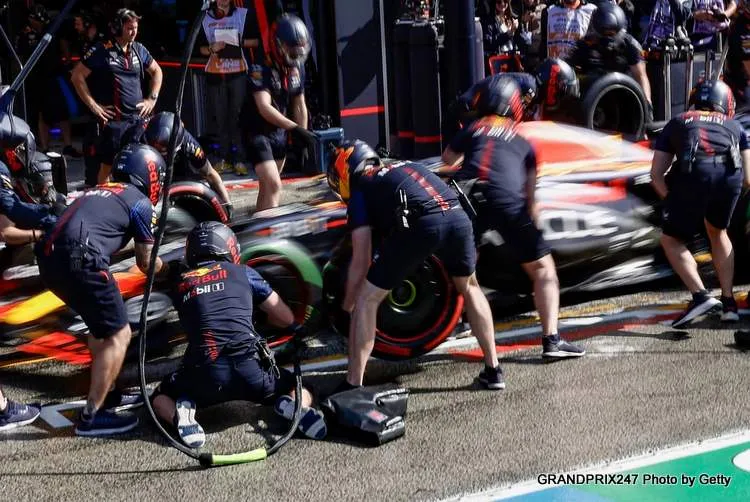
Formula 1, the pinnacle of motorsport, is known for its high-speed races, cutting-edge technology, and intense competition. One of the most fascinating aspects of F1 that often goes unnoticed by casual fans is the pit stop.
These brief moments of frenetic activity can make or break a race, showcasing the perfect blend of precision, speed, and strategy. Over the years, pit stops have evolved significantly, becoming a crucial element in the quest for victory.
The Early Days: From Necessity to Strategy
In the early days of Formula 1, pit stops were a necessity rather than a strategic element. Cars would stop primarily to refuel and change tires, with the process taking several minutes. The equipment was rudimentary, and the focus was on ensuring the car could finish the race rather than optimizing time. Mechanics worked without the advanced tools and safety equipment we see today, making pit stops a far cry from the well-choreographed ballet they have become.
The Birth of Modern Pit Stops
The 1980s and 1990s saw a dramatic shift in the approach to pit stops. Teams began to recognize the potential for using pit stops as a strategic weapon. The introduction of refueling in 1994 added a new dimension, making the timing and execution of pit stops even more critical. Teams developed specialized equipment and procedures to minimize the time spent stationary, with pit stops dropping from minutes to mere seconds.
During this period, the emphasis was on reducing refueling times and perfecting tire changes. Teams like Ferrari and McLaren led the charge, developing innovative tools such as high-speed air guns and automated jacks. The speed and efficiency of pit crews became a crucial factor in race strategy, with teams practicing relentlessly to shave off precious tenths of a second.
The Quest for Perfection
As Formula 1 entered the 21st century, the quest for perfection in pit stops intensified. Teams invested heavily in technology and training, aiming to execute pit stops with surgical precision. The focus shifted towards achieving the fastest possible tire change, as refueling was banned in 2010. This change placed even greater importance on the coordination and skill of the pit crew.
Modern pit stops are a marvel of teamwork and technology. Each member of the crew has a specific role, from operating the jacks to removing and fitting the tires. The choreography is meticulously planned and practiced, with crews performing hundreds of practice stops to ensure flawless execution. A typical pit stop now takes around two to three seconds, with the current record standing at an astonishing 1.82 seconds, set by Red Bull Racing in 2019.
If you want to experience the same thrill of Formula 1 racing, then in some ways the precision and strategic thinking required for Formula 1 pit stops can be compared to the skills required in the Penalty Shootout casino game. Just as every second counts during a pit stop, in Penalty Shootout every move and decision can determine victory or defeat.
The Role of Strategy in Pit Stops
While the physical execution of pit stops is critical, the strategic element cannot be overlooked. Teams must decide the optimal time to pit, balancing the need for fresh tires against the time lost during the stop. Factors such as tire degradation, fuel load, track position, and weather conditions all play a role in these decisions.
The introduction of different tire compounds by Pirelli has added another layer of complexity. Teams must choose the right compound for each stint, considering the trade-offs between speed and durability. The timing of pit stops can also be influenced by the actions of rival teams, safety car deployments, and track conditions.
Strategic pit stops have led to some of the most memorable moments in F1 history. The ability to outmaneuver competitors through pit strategy can lead to dramatic shifts in race positions and even decide championships. A well-timed pit stop can provide a significant advantage, allowing drivers to overtake rivals or defend their position more effectively.
The Future of Pit Stops
As Formula 1 continues to evolve, so too will the art of the pit stop. Advances in technology and changes in regulations will shape the future of these high-speed ballet performances. The ongoing development of hybrid power units and the push for greater sustainability may lead to further innovations in pit stop procedures and equipment.
Moreover, the increasing use of data analytics and artificial intelligence in F1 will likely enhance teams' ability to make split-second strategic decisions. Real-time data from the car, combined with predictive modeling, can help teams optimize their pit stop strategies with unprecedented accuracy.
In conclusion, the evolution of pit stops in Formula 1 is a testament to the relentless pursuit of excellence in the sport. What began as a simple necessity has transformed into a critical aspect of race strategy, showcasing the perfect blend of human skill and technological innovation. As we look to the future, pit stops will continue to play a pivotal role in the thrilling spectacle of Formula 1 racing.
Latest News

Loading

