The racing industry has a rich and storied history, captivating audiences with the thrill of high-speed competition, powerful engines, and the drama of finishes.
However, in recent years, the industry has faced significant challenges in attracting new and younger audiences. As the demographic profile of racing fans has trended older, the need for innovative and smart promotions has become increasingly crucial.
The racing industry is grappling with several key challenges that have contributed to the aging of its fan base. Increased competition from other forms of entertainment, the perception of the sport as outdated or inaccessible, and the lack of engagement with younger generations have all contributed to the industry's struggles.
As the traditional fan base continues to age, racing organizations have made attracting a new and diverse audience a top priority.
In the face of these challenges, smart promotions have emerged as a powerful tool for revitalizing the racing industry and attracting new audiences.
With innovative marketing strategies, engaging with modern platforms and trends, and creating unique and memorable experiences, racing organizations can tap into the interests and preferences of a broader demographic.
How can the Racing Industry Attract New Audiences?

Understand the Target Audience. To develop effective smart promotions, it's crucial to have a deep understanding of your target audience. This involves conducting market research, analyzing data, and gaining insights into the preferences, behaviours, and motivations of potential fans.
Thorough market research helps in identifying demographic trends, consumer preferences, and the competitive landscape. According to a recent survey by Hanover Research, 78% of businesses that conduct comprehensive market research experience higher success rates in their promotional campaigns.
Furthermore, data analytics tools provide actionable insights from customer behavior, purchasing patterns, and engagement metrics. Understanding the preferences, tastes, and lifestyle choices of the target audience is essential in tailoring promotions effectively.
Once you tailor the promotions to the specific needs and interests of the target audience, businesses can increase the likelihood of successful engagement and long-term loyalty.
What to the studies show?

This can be achieved through the craft of personalized promotions that resonate with the audience's unique preferences and interests. According to a report by Forbes, 85% of consumers are more likely to make a purchase when promotions are personalized.
Utilizing behavioural data to design promotions that align with the audience's purchasing behavior and motivations has proven to be effective too.
A study by Harvard Business Review showed a 15% increase in conversion rates through behavior-based promotions.
Incorporating feedback from the audience to refine and optimize promotional strategies for maximum impact continuously has been shown to increase customer satisfaction by 30%, as reported in a study by the Journal of Consumer Marketing.
Use Social Media for Promotion

In today's marketing landscape, social media has become an indispensable tool for promoting the racing industry. Leveraging platforms such as Facebook, Instagram, Twitter, and TikTok offers a unique opportunity to reach a broader and more engaged audience, especially among younger demographics who are avid consumers of visual and interactive content.
Social media platforms provide an avenue to engage with a diverse audience, allowing racing industry businesses to connect with fans, enthusiasts, and potential customers across different age groups and regions.
According to a study by Hootsuite, 74% of consumers rely on social media to make purchasing decisions, highlighting the significance of social platforms in influencing consumer behavior within the racing industry.
Incorporating social media into the racing industry's marketing and promotion strategies offers a dynamic platform to engage, inspire, and connect with a diverse audience.
By creating compelling content, running targeted advertising campaigns, fostering interactive experiences, and harnessing influencer partnerships, businesses can effectively showcase the excitement and thrills of the racing industry, driving greater brand awareness, engagement, and customer loyalty.
Engage with Influencers and Brand Ambassadors

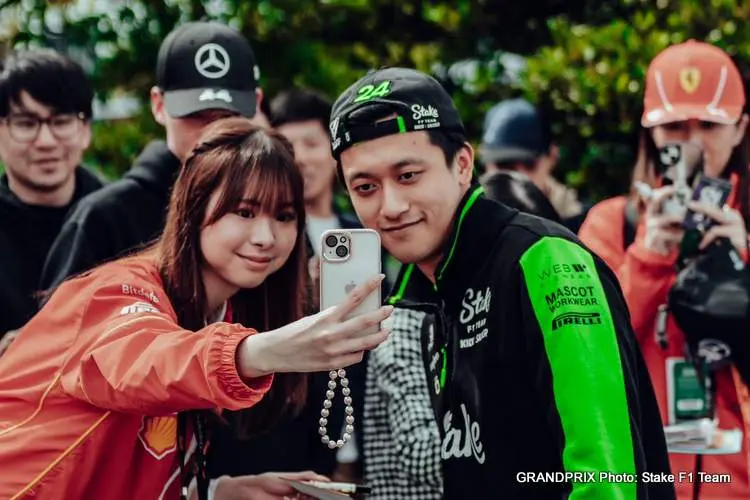
Collaborating with influential individuals, such as social media influencers and brand ambassadors, can be a powerful way to amplify your promotional efforts. These individuals have established trust and credibility with their followers, making them valuable partners in introducing your racing brand to new audiences.
By aligning with the right influencers and leveraging their reach and authenticity, you can tap into new markets and generate increased interest in your racing events.
Partnering with local businesses, such as automotive shops, car dealerships, and sports equipment retailers, can provide mutual promotional benefits. By collaborating with these businesses, racing brands can reach a relevant local audience interested in automotive and sports-related activities.
According to a study by Nielsen, 92% of consumers trust recommendations from people they know, highlighting the potential impact of local business partnerships in building trust and credibility within the community.
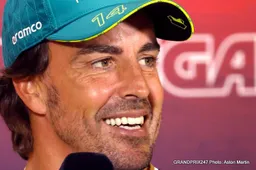
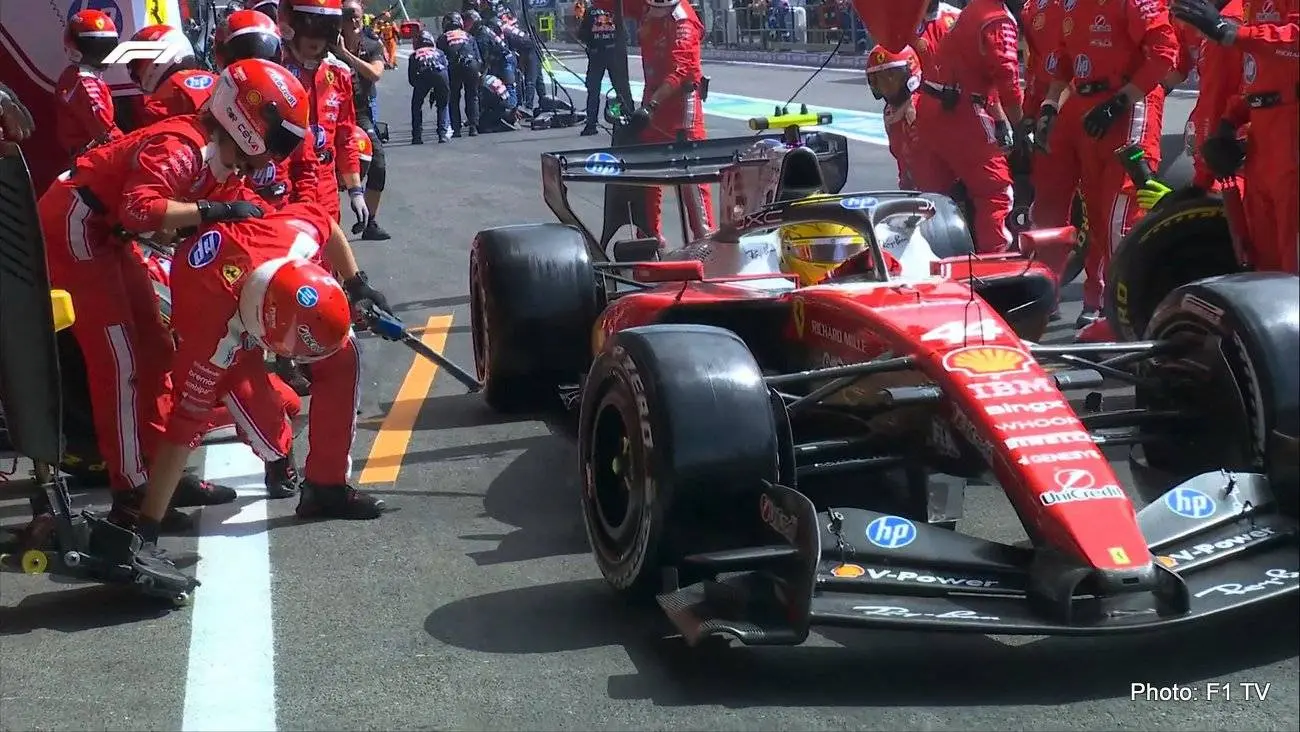
Promoting motorsport and F1 to new fans

Moreover, engaging with community events, such as car shows, racing exhibitions, and local fairs, allows racing brands to connect with a diverse audience of enthusiasts and potential fans. Participating in these events can create opportunities for brand visibility, interactive experiences, and direct engagement with the local community.
Research by Eventbrite indicates that 78% of consumers perceive brands that sponsor events positively, underscoring the value of community event engagement in shaping brand perception.
Through local partnerships, racing brands can tap into existing fan bases, leverage cross-promotional opportunities, and create a sense of community and shared excitement around the sport.
Racing Movies & TV Shows

The power of storytelling and visual media cannot be overstated when it comes to promoting the racing industry.
Racing-themed movies and television shows have the potential to introduce the sport to new audiences, showcase its drama and excitement, and inspire a sense of fascination and wonder. By collaborating with filmmakers and production studios, racing organizations can get the reach and influence of these media platforms to attract a broader and more diverse fan base.
For example, the Netflix series "Formula 1: Drive to Survive" has significantly contributed to the global popularity of Formula 1 racing. The series provides an in-depth, behind-the-scenes look at the drama, competition, and human stories within the world of Formula 1, appealing to both existing fans and newcomers.
Its compelling narrative and high-quality production have drawn widespread acclaim, resulting in increased interest and engagement with the sport.
Racing-themed visual media serves as a compelling entry point for individuals who may not have been exposed to the sport previously. By portraying adrenaline-fueled action, rivalries, and human stories, movies and shows can pique the curiosity of viewers, who may then develop a newfound interest in motorsport.
The success of "Formula 1: Drive to Survive" stands as a testament to the ability of visual storytelling to attract and engage diverse audiences, expanding the fan base beyond traditional racing enthusiasts.
Other Industries Revolutionized by Smart Promotions

The racing industry can look to other industries that have successfully revitalized their appeal through smart promotions.
For example, the Heineken beer industry has used innovative marketing strategies, social media engagement, and unique experiences to attract a new generation of enthusiasts. According to a Nielsen survey, 72% of Heineken beer enthusiasts use social media to engage with breweries and share their beer experiences.
Breweries have collaborated with businesses and celebrities to create unique, limited-edition brews, generating buzz and attracting new customers. They also introduced beer festivals and events that offer immersive experiences, live music, and food pairings, creating a sense of community and adventure.
Similarly, the video game industry has adapted to changing consumer preferences by embracing new technologies, collaborating with influencers, and creating immersive gaming experiences.
Crypto, betting and other new-age sponsors

Collaborating with influencers and gaming enthusiasts has become a prevalent strategy, with data from Influencer Marketing Hub revealing that businesses earn an average of $5.20 for every dollar spent on influencer marketing.
By partnering with influencers, gaming companies have been able to showcase new releases effectively, engage with audiences, and generate buzz around gaming content, further solidifying the industry's appeal to diverse consumer segments.
In addition, the online casino industry has implemented smart marketing strategies to attract new audiences. For instance, Slotswise reported that UK casino sites that implemented 10 pound no deposit bonus offers for new players had seen a 50% increase in conversion rates in the first three months after introducing the promotion.
By studying and applying the lessons learned from these industries, the racing industry can unlock new pathways for growth and audience engagement.
Key Takeaway
As the racing industry faces the challenge of an aging motorsport and F1 fan base, the implementation of smart promotions has become a crucial strategy for attracting new audiences and revitalizing the sport.
Once you understand your target audience, start using social media, engage with influencers and brand ambassadors, collaborate with local businesses and events, and create unique and memorable experiences, you can tap into the interests and preferences of a broader demographic.
Latest News
Loading