FIA to tweak regulations to respond to F1 cars' worsening ability to follow
F1 NewsTuesday, 12 September 2023 at 09:35
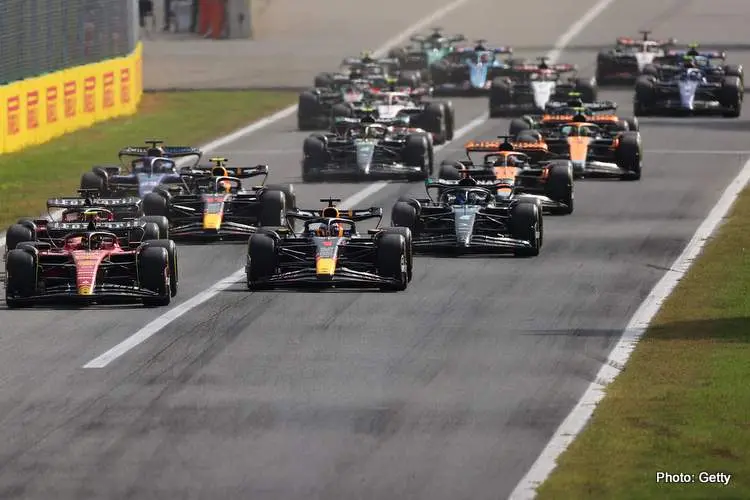
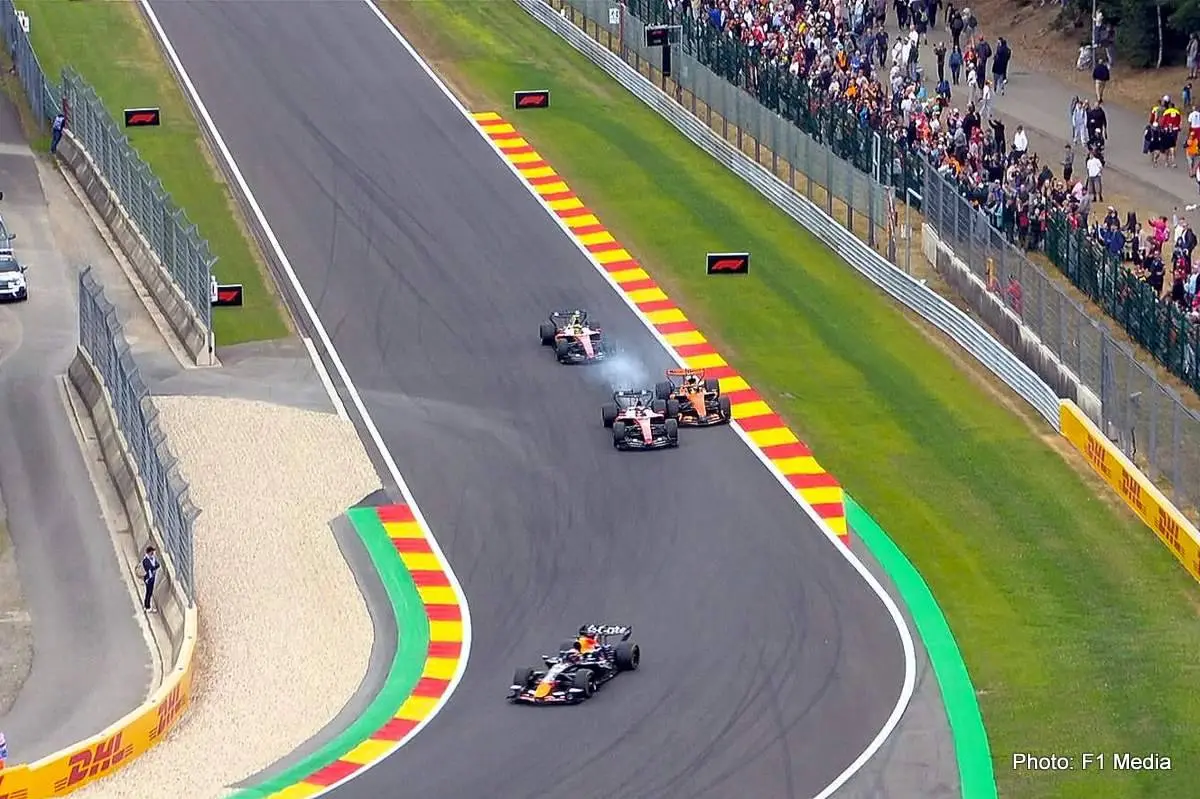
The FIA revealed plans to tweak the regulations, as they respond to Formula 1 cars' "worsening" ability to follow as the current rules enter their second season.
The current F1 aero regulations were introduced in 2022, with ground effect being the downforce generating philosophy in a bid to reduce the wake and outwash the cars generate which affect the chasing cars reducing their downforce which consequently caused more tyre degradation and overheat.
That issue was deemed as the reason why the sport was not featuring enough close racing, and the changes were made on that basis, which seemed to work in the first season of the new rules in 2022.
But as the ground effect aero regulations enter their second season of implementation, the teams have found more way of increasing the downforce they generate, which mean clos following is now an issue again, albeit not as bad as before.
The topic was presented to the top three finishers of the 2023 Italian Grand Prix, Max Verstappen, Sergio Perez and Carlos Sainz who all agreed that following another F1 car is becoming more difficult.
At Monza, Sainz event went as far as saying: "It’s starting to become a bit like 2021 or 2020 where it is difficult to follow."
Speaking in an interview with Motorsport.com's Italian edition, FIA's single-seater director Nikolas Tombazis commented on what Sainz said regarding the recurring issue, and revealed F1's governing body's plans to fix it.
"If we take the 2021 F1 cars, based on being two lengths from the car in front, they were losing more than 50% of the [aero] load," he said.
"With the 2022 single-seaters, there was only a 20% reduction in load. But now we are at about 35%. Surely there has been a worsening and, on this point, Carlos is right. We have identified what we should act on," he revealed.
"We are studying solutions for 2025," Tombazis went on. "We have identified some parts of the cars to act on, such as the endplate of the front wing, the side of the floor and the fins inside the wheels (around the brake ducts). We could lay down somewhat more restrictive rules in these areas.
"It is clear we no longer have the advantage of 2022 and, therefore, we know that there is work to be done," the former Ferrari and McLaren engineer maintained.
The FIA cannot clamp down on everything the teams do

This has been the case over the course of history in F1, as teams have always pursued ways to increase their cars' performances always finding loopholes on the regulations.
And while the FIA can clamp down on some aspects, Tombazis admitted they cannot control all what the teams do like they did with the flexible wings Aston Martin reportedly developed in 2023.
Tombazis said: "We have the right to act on flexible bodywork when we see something that does not convince us because the regulation says that parts should be rigidly secured and immobile. In reality, we know that this is not [strictly] possible, so there is a right to apply common sense.
"The regulations do not allow us to act on things we do not like on the cars," he pointed out. "There are several aspects in the interpretation of the aerodynamic regulations that we do not like at the moment, but to change something we would need to go through the procedures to achieve a broad consensus.
"Sometimes we have tried to change things, but we have not always achieved the result we wanted. I believe that 90% of the regulations are in line with what we wanted and there is 10% that, with hindsight, we would have done in a different way," the FIA director concluded.
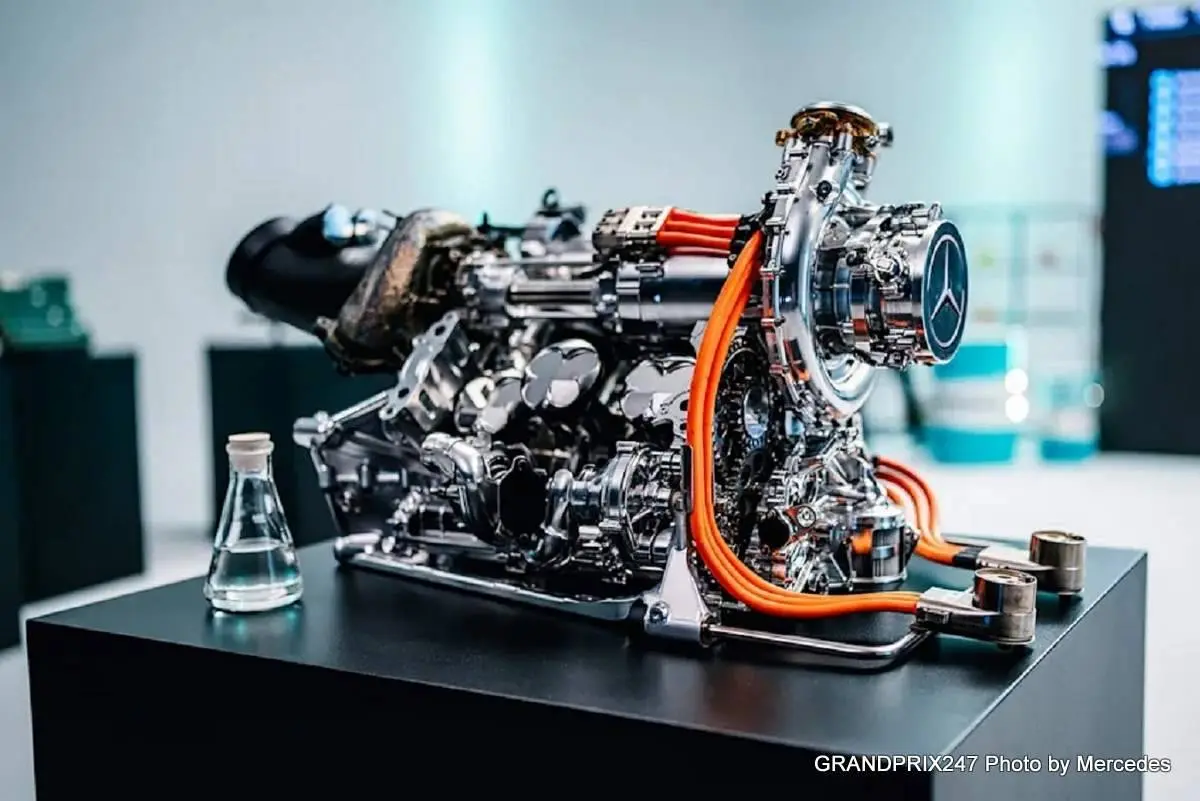
F1 will be debuting new power units and cars for the 2026 F1 season, which make a regulation change one year before that kind major shift quite interesting...
Latest News
Loading