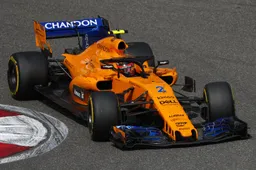
Horner: If I were Mercedes I'd want this engine formula until 2050!
F1 NewsTuesday, 24 April 2018 at 09:19

As Formula 1 contemplates new rules for 2021 and beyond, Red Bull chief Christian Horner has outlined his wish list for cheaper engines, arguing that the current generation of power units are simply too expensive, irrelevant and unpopular with fans.
Right now there is a call in the paddock to simplify F1 engines, to make them more affordable and attractive enough to lure manufacturers to the sport, but at the same time the likes of Mercedes and Ferrari are reluctant to change.
In a wide-ranging interview with Auto Motor und Sport, Horner declared, "If I were Mercedes I'd want the current engine formula to remain until 2050!"
"They have an advantage that they naturally want to protect. You cannot judge them for that, but teams should not determine what the rules for engines and chassis will be. There is the FIA and the rights holders for this."
Mercedes have been the dominant force in the sport since the new rules came into play in 2014, Horner conceded, "They have done a great job with their power unit and they also have a very good chassis."
"We have a great driver pairing. We have a very strong chassis. We only lag behind Mercedes and Ferrari on the engine side. You need three key elements for success: a good chassis, good drivers and good engines. Otherwise, you will not extract the most out of your package."
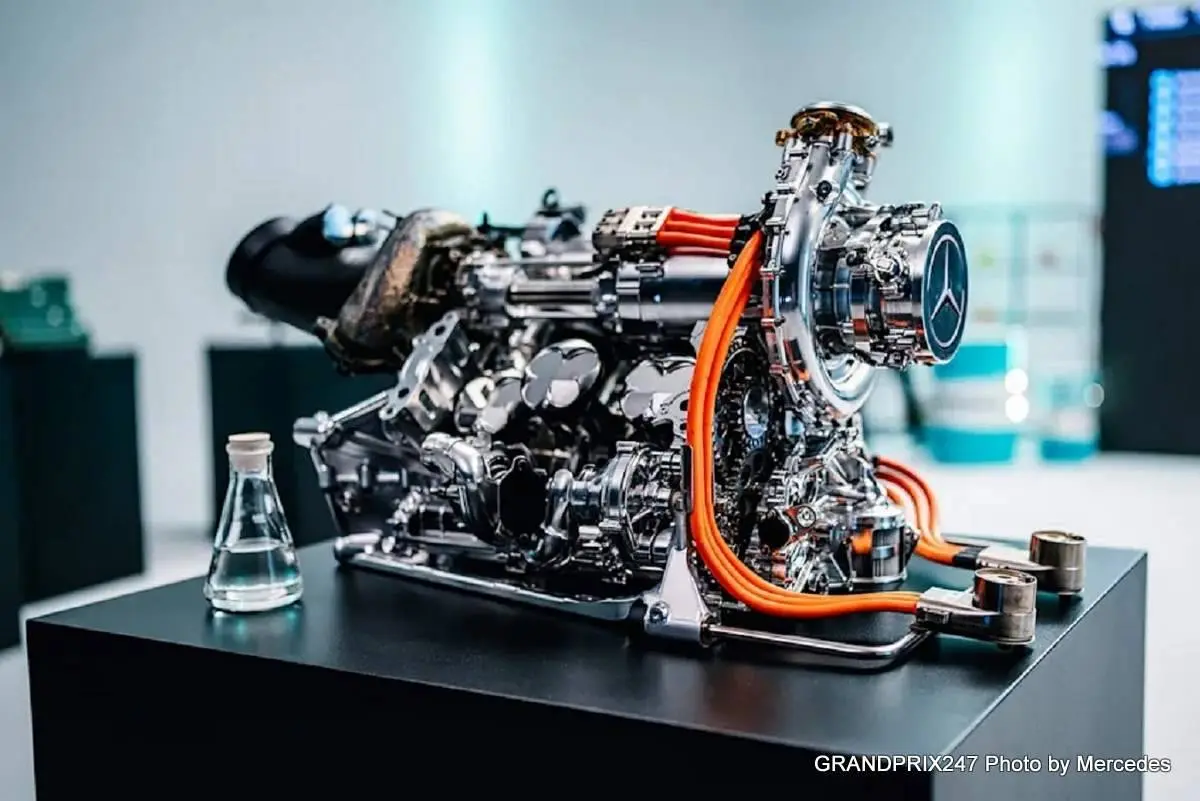
Regarding the current engine formula, he added, "They are too complex and too heavy. For example, the engine coolers cost almost 250,000 euros per car. That's crazy."
Many complain that the engines are too 'quiet' and Horner agrees, "Without the noise, emotions are missing. Technology does not interest viewers. This engine was only introduced because it was supposed to have relevance to road cars, but that's just not the case."
"We could simplify it a lot more and thus give the driver a much bigger role. There should be parity 50:50 parity between engine and chassis. Currently, the engine accounts for about 70 percent of performance. With the V8 engines [which existed until the end of 2013] the ratio was about 55 percent on the chassis side."
"Personally, I would like to see a different engine, one with more cylinders and better sound. That would please fans. This hybrid technology we have now has no relevance."
Over the years Red Bull have not been shy to pump big money into their F1 project, they rank right up there with Ferrari and Mercedes in terms of budget and big spending, thus it seems ironic that they are now calling for cost cuts.
Horner explained, "We just want costs to be reduced. Investing a quarter of a million per car on radiators is unbelievable. Simpler, tighter, clearer rules would cut costs."
But he has his doubts regarding rules to restrict spending, "You will struggle to police a budget cap because each team has a different structure and operational processes. I don't know how the FIA would monitor this..."
"There are many big areas that you can look at to reduce spending. You first have to look at what drives the costs and that starts with the number of employees in each team. Why do we need so many? Because research and development devour so many man-hours."
As for the cost of a power unit supply, Horner suggests, "About ten million dollars, but the engine costs are not the problem in relation to the total budget. We spend millions on saving weight, cooling these engines and other operational requirements."
Big Question: Best solution for Formula 1 engines in 2021 and beyond?
Latest News








Loading